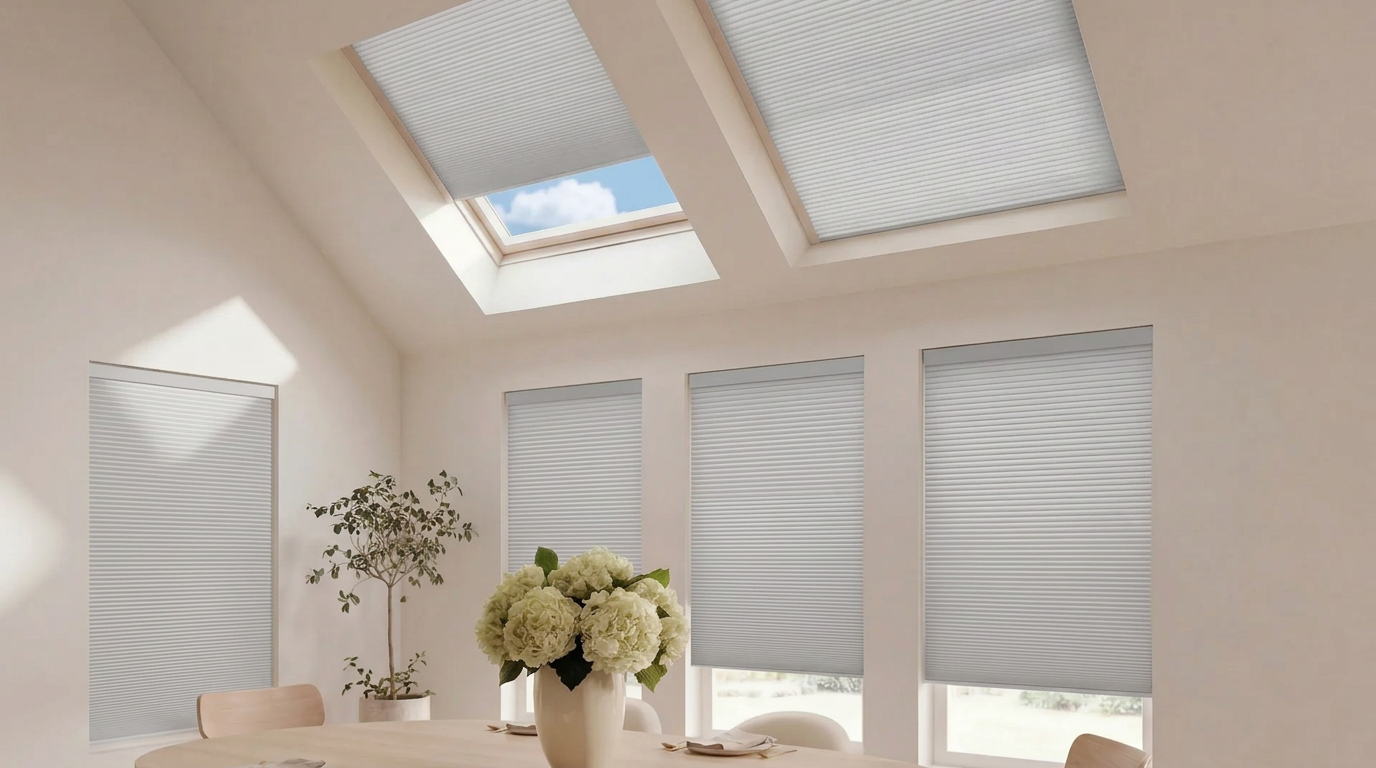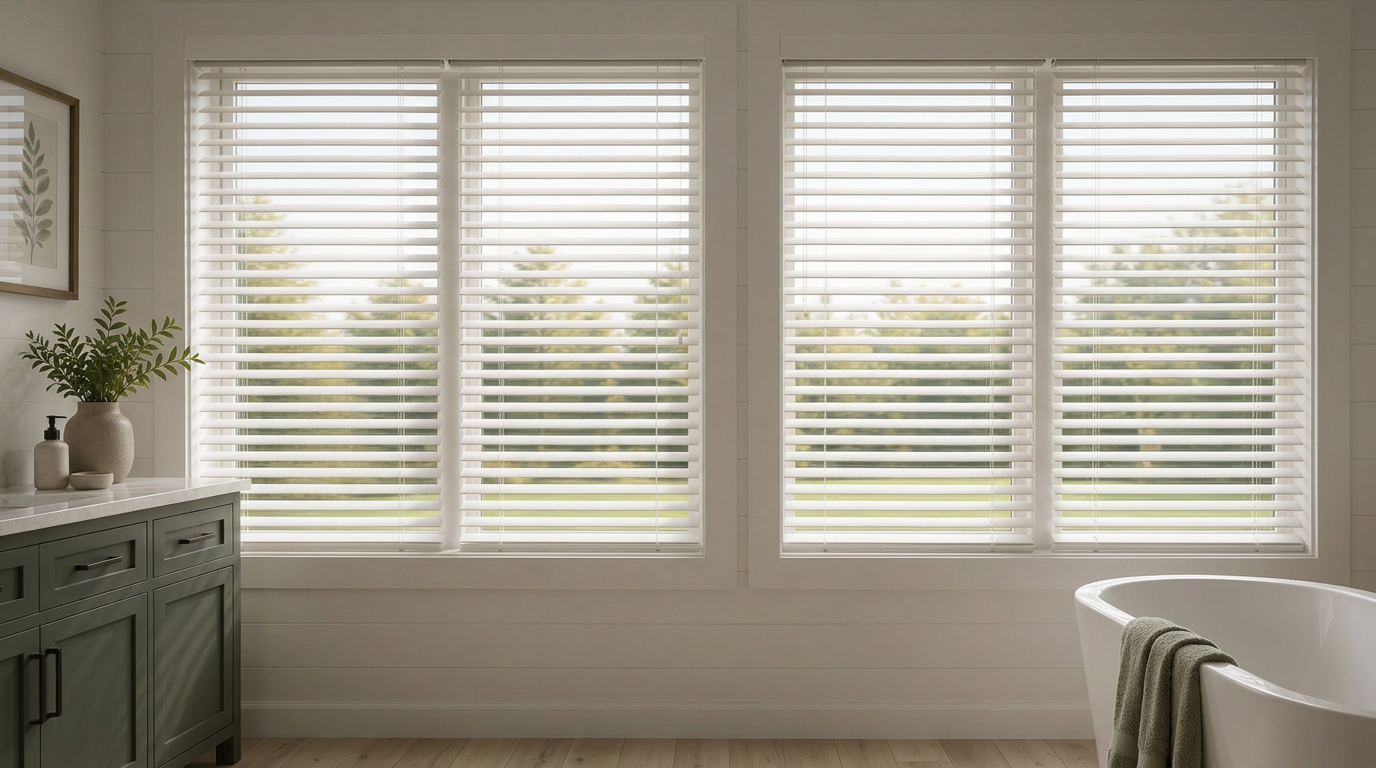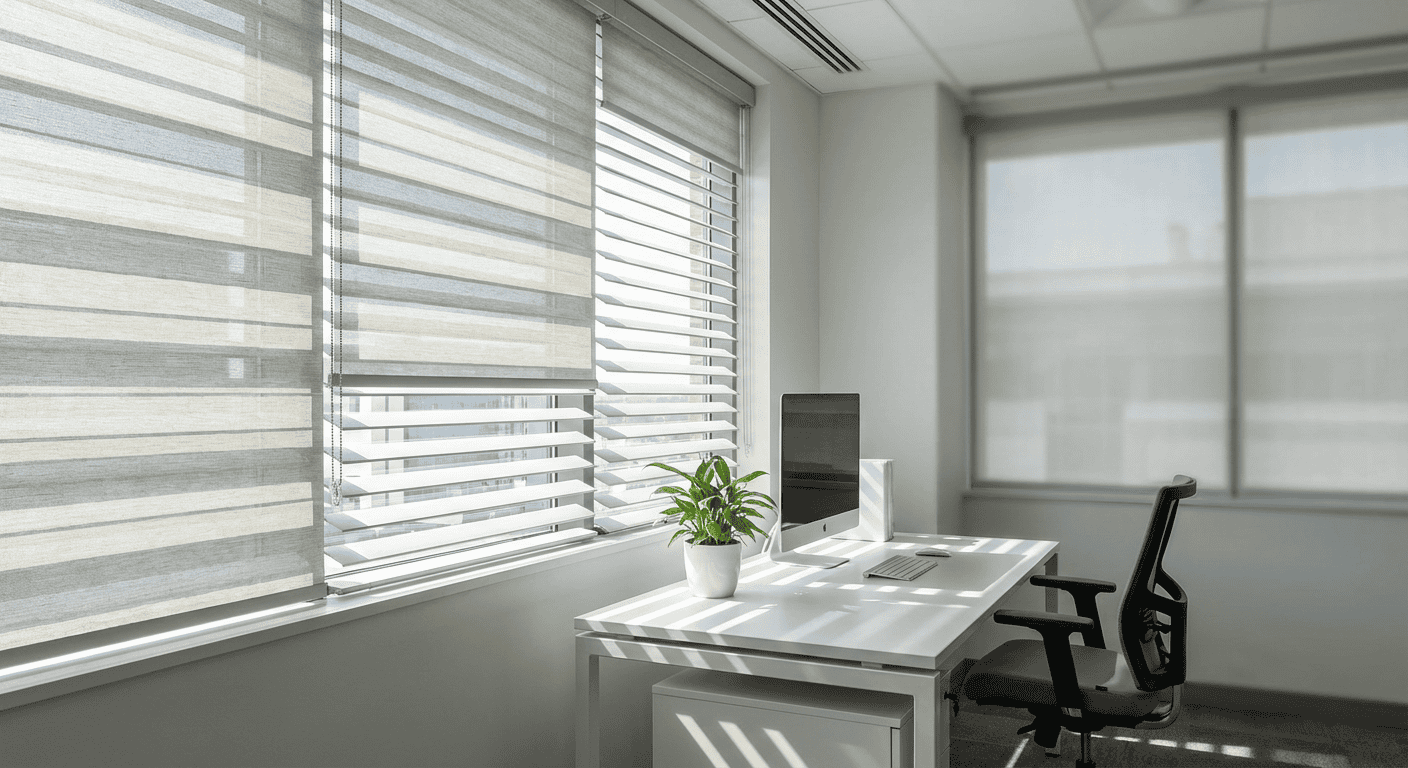

Evaluating roman shades vs roller shades for home light control and style hinges on whether your space calls for the tailored, textural softness of cascading fabric folds or the minimalist, low-profile functionality of a smooth rolling screen. While opulent roman styles lend rich depth and traditional warmth to living areas, streamlined roller options offer crisp, edge-to-edge glare management that seamlessly complements modern aesthetics. Discover the ideal match for your home with premium blinds, shades & drapery in Manitoba from Advance Blinds to achieve tailored sun diffusion and flawless room-by-room decor.
Overview
Selecting window coverings requires balancing fabric volume, glare management, and clean lines. Homeowners evaluating roman shades vs roller shades for home light control and style often weigh how each treatment manages direct sunlight while complementing room decor. This comparison evaluates practical performance, maintenance demands, and installation environments across six key areas.
The analysis includes a labeled real-world hypothetical featuring a genderless homeowner to illustrate specific room constraints and design choices. Detailed trade-offs and recommendations outline how different materials perform in everyday living spaces.
- Core Distinctions: Review the mechanical and structural design differences that separate structured fabrics from flat textiles.
- Roman Profiles: Examine the room conditions and formal spaces best complemented by folding fabric shades.
- Roller Simplicity: Assess minimalist aesthetics and moisture-prone areas ideal for smooth rolling shades.
- Sunlight Management: Compare blackout capabilities and fabric weaves across light-filtering performance metrics.
- Maintenance Factors: Evaluate dust accumulation, spot cleaning, and general fabric upkeep needs over time.
- Real-World Example: Read tailored selections and mounting advice through local treatment recommendations for prairie conditions.
Core Distinctions Between Roman and Roller Shades
Selecting custom ALTA Window Fashions® treatments begins with examining the physical mechanics and hardware profiles of your shading choices. While classic roman shades draw upward into deep horizontal drapery tiers, roller variants wind tightly across a high-mounted metal barrel. This mechanical divergence defines the visual presence across your glass, determining whether your window displays tailored textile stacks or a crisp, recessed panel.
Hardware dimensions and fabric weight dictate both clearance and daily handling. Because fabric folds stack upward, roman builds occupy dedicated vertical glass space even when fully raised. In contrast, roller cassettes conceal the rolled textile inside a compact aluminum headbox, preserving full daylight exposure and an unobstructed outside view. Pairing either style with systems like Motorized shades eliminate dangling manual cords while giving you scheduled control over direct solar gain.
| Design Attribute | Tailored Roman Treatments | Streamlined Roller Treatments |
|---|---|---|
| Physical Profile | Sculpted, soft horizontal stacks cascading from the upper frame | Smooth, flat single-plane fabric panel flush to the jamb |
| Lifting Mechanism | Rear cord loops or hidden cordless guides creating distinct pleats | Internal spring, chain clutch, or motor rotating a hollow tube |
| Textile Varieties | Rich woven linens, jacquards, silks, and heavy upholstery blends | Engineered sunscreens, wipe-clean vinyl weaves, and tight canvas cloths |
| Daylight Modulation | Varies from diffused glow to dense blackout through sewn back liners | Engineered solar screening from 1% to 14% openness down to zero-light barrier cloths |
| Night Privacy | Total visual seclusion when dropped, bolstered by heavy interlinings | Immediate nighttime shield with blackout materials, or filtered two-way sightlines with sheer mesh |
Ideal Settings for Roman Shades
Living spaces, primary bedrooms, and formal dining areas gain instant architectural character from the dimensional folds of woven textiles. Flat minimalist coverings create clean profiles, but custom roman designs offer tactile warmth that complements upholstery, area rugs, and wall finishes. When fully raised, gathered fabric panels form an integrated valance across the upper frame; fully drawn, they transform into an unbroken textile surface that controls glare while enriching interior design schemes.
Duolite® dual-opacity shades integrate two separate fabric opacities into one headrail system, giving homeowners daytime light dispersion alongside nighttime blackout darkness without adding auxiliary drapery panels. Selecting distinct fabric liners allows precision sun control across seasons, ranging from translucent sun-filtering weaves to dense room-darkening linings that shield interiors from bright morning exposure.
| Design Priority | Performance Benefits of Roman Fabric Styles |
|---|---|
| Structured Visual Warmth | Draped horizontal folds add drapery-level substance to expansive glass without occupying floor footprint. |
| Dynamic Glare Management | Custom thermal and blackout backings filter harsh exterior rays while maintaining private evening settings. |
| Layered Textile Coordination | Broad collections of woven patterns harmonize with furniture, wall textures, and existing room woodwork. |
Comparing roman vs roller shades reveals that roman profiles excel wherever a window demands decorative prominence rather than disappearing into the background trim. Advance Blinds helps homeowners select precise pleat depths, custom fabric weights, and coordinated valances that align with distinct architectural goals across Manitoba.
Why Roller Shades Fit Modern Renovation Budgets
Modern interior updates often come down to balancing material expense with everyday function. Installing custom roller shades gives homeowners dependable glare reduction and enhanced daytime privacy without the premium price tag associated with layered, folded fabrics.
Consider a typical renovation scenario in southern Manitoba. A homeowner named Brenda wanted to refresh her main living area with clean window coverings. Although structured drapery folds caught her eye, the economical pricing and slim silhouette of roller units allowed her to cover multiple windows within her target spending limit while handling harsh prairie sun exposure.
Advance Blinds suggests roller systems for properties requiring uncluttered aesthetics and direct light control:
- Compact headrail profile: The textile wraps securely around a top roller tube or discrete cassette, preserving glass exposure and outdoor sightlines when raised.
- Cost-effective coverage: Simplified mechanical components keep manufacturing costs manageable compared to hand-sewn fabric pleats.
- Clean architectural lines: Flat fabric panels pair naturally with minimalist trims, contemporary casings, and open-concept floor plans.
- Advanced shading options: Selecting specialized hardware like Hunter Douglas LightLock™ side channels block stray perimeter light for media rooms and bedrooms.
- Quality brand selections: Hardware collections from ALTA Window Fashions provide durable screening materials that resist UV fading and wipe clean with minimal effort.
These streamlined shades deliver reliable glare protection across wide window expanses while keeping overall decorating expenses in check.
Managing Sunlight and Opacity with Roman and Roller Styles
Textile density sets the baseline for room brightness across both product categories. While structured fabric folds in Roman treatments soften direct sunshine into a warm interior radiance, roller profiles create a crisp barrier that blocks glare cleanly across the window pane.
Comparing Fabric Opacities
Achieving your target illumination level starts with picking the right weave density for the glass exposure:
- Sheer weaves: Open weaves illuminate busy sitting areas by maintaining outward views while softening glare.
- Semi-opaque layers: Medium-density fabrics shield furniture from harsh rays while maintaining privacy during daylight hours.
- Blackout liners: Dense, tightly woven backing fabrics stop practically all outside daylight, creating restful environments inside media rooms and bedrooms.
For windows requiring intense room darkening, pairing roller materials with LightLock™ side channels seals out edge light gaps that standard installations leave behind.
Balancing Daytime Radiance and Nighttime Privacy
Spaces with shifting sun exposures benefit from layered operating styles. Choosing versatile Hunter Douglas Duolite® shades gives you two separate fabrics mounted on one cassette, allowing an airy sheer front panel for daytime brightness alongside an independent room-darkening back layer for nighttime seclusion. Advance Blinds fits these dual setups so homeowners can balance natural illumination against evening privacy without hanging bulky secondary draperies.
| Window Treatment | Light Management Features | Visual Effect |
|---|---|---|
| Roman Shades | Interlined translucent weaves, privacy liners, or sewn blackout backings | Soft, layered glow with deep dimension across window trim |
| Roller Shades | Solar openness factors from 1% to 10%, opaque vinyls, and blackout weaves | Uniform light reduction with a clean, low-profile edge |
Maintenance Demands and Lifespan Realities for Each Style
Mechanical simplicity gives roller shades an edge in longevity across busy household areas. Because a roller screen winds around one centralized aluminum cylinder, it avoids the friction points created by rear lift lines, rings, and stitched pleats. Integrating PowerView® Automation further protects internal gears from the uneven force of manual yanking, preserving the balance of the rolling barrel. By comparison, Roman window coverings incorporate sewn horizontal folds that demand consistent, vertical operation to stop strings from abrading the fabric edges over time.
Long-Term Durability Factors
- Roller Hardware: Minimal moving parts reduce repair frequency, though an off-center installation can cause side margins to rub against the casing and fray.
- Roman Hardware: Multiple structural loops support the textile stack, meaning recurring lateral tugs place strain on thread channels and mounting brackets.
- Protective Motor Systems: Upgrading to Sonnette Shades with SoftTouch Motorization or motorized rollers eliminates physical cord jerk, distributing motor torque evenly across every lift cycle.
Daily upkeep varies dramatically between the two builds due to their surface textures and weaving styles. Smooth roller textiles made from treated fiberglass or coated polyester allow homeowners to wipe away grease splatters and grime with a damp sponge, making them practical for kitchens and mudrooms. Tailored Roman treatments gather airborne dust inside their layered troughs, requiring soft-brush vacuuming to maintain the drape fibers.
| Maintenance Aspect | Roman Shades | Roller Shades |
|---|---|---|
| Dust Removal | Weekly vacuuming along each pleat fold | Light feather dusting across flat planes |
| Spot Cleaning | Fabric-safe solvent testing or specialty dry cleaning | Mild soap and warm water wipe-downs |
| High-Humidity Performance | Risk of mold growth within dense natural textiles | Non-porous vinyl blends resist steam absorption |
| Dual-Fabric Upkeep | Requires tending to independent front and rear panels | Single-sheet roll wipes clean on both sides |
Advance Blinds suggests choosing wipeable synthetic screens or robust collections from ALTA Window Fashions when outfitting playrooms and food-prep areas. Eliminating dangling controls protects fabric seams and prevents premature mechanical strain across every room.
Selecting Roman or Roller Window Coverings for Prairie Climates
Prairie weather demands window treatments that balance solar heat gain, winter draft protection, and distinct interior architecture. Selecting between structured folds and sleek roll-up profiles comes down to room activity, glass exposure, and thermal needs. Advance Blinds offers a selection of custom treatments designed to handle deep sub-zero temperatures and bright summer glare across southern Manitoba.
Homes in historic Winnipeg neighborhoods often possess deep, out-of-square wood jambs, while residences in communities such as Plum Coulee frequently feature large picture windows with minimal frame depth. Custom mounting hardware ensures clean clearances regardless of casing quirks. Sun direction also guides fabric choice; south-facing living areas require tighter weaves to protect floors from fading, while street-facing bedrooms demand heavier light-blocking textiles for nighttime privacy.
| Room Type | Recommended Style | Key Performance Advantages |
|---|---|---|
| Formal Living and Dining Areas | Roman Shades | Rich horizontal textile folds add depth, with hundreds of decorative weaves matching custom furnishings. |
| Kitchens and Busy Entryways | Roller Shades | Resilient polyester or coated fabrics resist grease, clean with a damp cloth, and endure frequent daily adjustments. |
| Rooms Needing Cold Weather Protection | Roman Shades | Thick face fabrics paired with thermal backings trap air at the glass pane to reduce winter heat loss. |
| Clean Contemporary Spaces | Roller Shades | Narrow top cassettes and flat panels preserve unobstructed sightlines and minimalist trim profiles. |
Premium fabric collections from Alta Window Fashions expand these configurations through varied weave opacities, motorization upgrades, and blackout side-channel combinations. For layered daylight management, homeowners can also integrate Duolite shades Dual systems that combine an independent sheer layer with a solid room-darkening back panel on a single headrail.
FAQ
To help you decide between roman shades vs roller shades for home light control and style, we have addressed the most common design, placement, and functionality questions below. Browse the following table for practical insights on moisture resistance, stacking profiles, motorization, and layering options for your windows.
| Question | Answer |
|---|---|
| Which option handles high-humidity areas like kitchens and bathrooms better? | Roller shades perform significantly better in humid or splash-prone rooms because they use moisture-resistant, wipeable synthetic fabrics that do not absorb water or cooking grease. Roman shades rely on woven decorative textiles that can trap steam, develop mildew, or absorb food odors over time. If you install shades near a kitchen sink or bathtub in Plum Coulee, Manitoba, flat solar or vinyl roller fabrics provide far simpler maintenance. |
| How do stacked fabric profiles affect daytime view-through on smaller windows? | Raised Roman shades gather into layered horizontal folds that permanently cover the top several inches of the glass, reducing total natural light and outdoor visibility. Roller shades wind completely around a narrow upper barrel or cassette, leaving nearly the entire pane clear. For shallow or compact window frames across Plum Coulee, Manitoba homes, roller profiles preserve maximum daylight. |
| Can both shade styles integrate with smart home motorization systems? | Yes, custom builds for both treatments support battery-operated or hardwired motors compatible with wall switches, remotes, and smart hubs. Roller shades operate with quiet, uniform speed because the fabric rolls directly onto a cylindrical tube with minimal internal friction. Roman shades lift via internal cord spools, requiring slightly more torque to gather the heavier folds as the shade rises. |
| Should homeowners layer drapery panels over Roman shades or roller shades? | Both styles pair well with side drapery, but they solve different decor and light-bleed issues. Adding drapes over roller shades introduces soft texture to an otherwise flat, minimalist window while sealing the standard side light gaps common to inside mounts. Layering drapes over Roman shades creates an opulent, traditional look, though it requires sufficient wall depth to prevent the folded fabric stack from bumping the curtain rods. |