![Custom window blinds and drapery solutions at Advance Blinds & Drapery, serving [Your Location], offering stylish, functional window coverings, professional installation, and expert consultation.](https://advanceblindsanddrapery.com/wp-content/uploads/2025/09/Advance-Blinds-Drapery-Logo.png)

Blinds vs Shutters: Understanding Your Options
Deciding between blinds vs shutters for your home’s window treatments involves understanding their fundamental differences and benefits. Both options offer distinct advantages in terms of aesthetics, functionality, and light control, making the choice dependent on individual preferences and specific room requirements.
While blinds are characterized by their versatile slat or vane systems, allowing for adjustable light filtration and privacy, shutters are typically more permanent fixtures with solid frames and louvers. This core distinction impacts their installation, durability, and overall appearance within a space. For specific window types, such as French doors, consider our helpful French door blinds guide for tailored solutions.
Exploring the nuances of each window covering type, such as material, maintenance needs, and design flexibility, is essential. This guide aims to provide a clear overview to help you make an informed decision when comparing blinds vs shutters.
What Are Blinds?
Blinds are window coverings made from horizontal or vertical slats that can be tilted or adjusted to control light and privacy. They come in a wide variety of materials, including wood, faux wood, aluminum, and vinyl, offering diverse aesthetic and functional possibilities for any room. For a deeper dive into specific types, explore our roller shade use cases and their benefits.
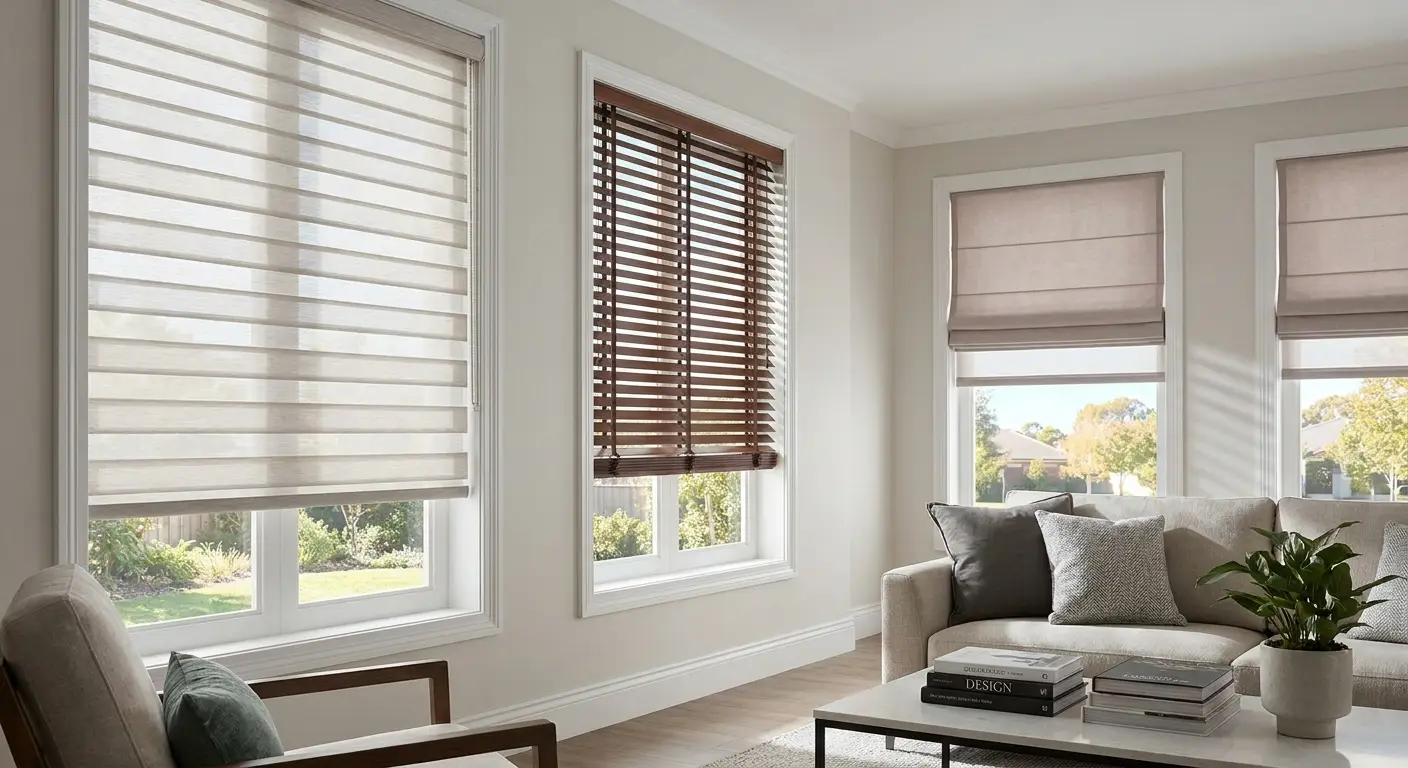
Blinds are a popular and versatile window treatment consisting of horizontal or vertical slats (also known as louvers) that can be tilted open and closed, or raised and lowered, to control light and privacy. They offer a flexible solution for managing sunlight and maintaining a desired level of seclusion in any room. For specific applications, consider our guide to French door blinds for tailored advice.
When comparing blinds vs shutters, blinds are often chosen for their affordability and wide range of styles, materials, and colors. This allows for significant customization to match various interior designs and personal preferences.
The functionality of blinds allows for precise light control. Users can adjust the angle of the slats to direct light upwards or downwards, reducing glare without fully blocking natural illumination. They can also be fully raised to allow an unobstructed view or lowered completely for maximum privacy and light blockage.
Common types of blinds include:
- Horizontal Blinds: These feature horizontal slats and are available in materials like wood, faux wood, and aluminum. They are a classic choice for many homes.
- Vertical Blinds: Ideal for larger windows and sliding glass doors, vertical blinds consist of vertical slats that traverse across the window.
- Mini Blinds: A type of horizontal blind with narrower slats, often made from aluminum, offering a sleek and contemporary look.
Understanding what blinds are and their common characteristics is essential when weighing your options between blinds vs shutters for your home’s window coverings. For specific window types, consider exploring our guide to french door blinds.
What Are Shutters?
Shutters are solid, often louvered window coverings that are typically mounted within a window frame. Unlike blinds, which are made of individual slats or vanes connected by cords, shutters consist of rigid panels that can be opened and closed like a door.
Their robust construction and permanent installation distinguish them significantly when comparing blinds vs shutters. Shutters are renowned for their durability and classic aesthetic, making them a long-term investment for many homeowners.
The construction of shutters involves several key components:
- Panels: These are the main sections that cover the window opening. They can be hinged to swing open or designed as bi-fold or bi-pass units for larger windows.
- Louvers: Horizontal slats within the panels that can be tilted to control light and privacy. They are usually connected by a tilt rod, which can be visible or hidden.
- Frames: The surrounding structure that the panels are mounted within, providing a finished look and sturdy support.
Shutters are valued for their superior light control, insulation properties, and enhanced privacy. They offer a distinct visual appeal that can complement both traditional and contemporary home designs. For a deeper dive into different window treatments, explore our guide on understanding window treatment opacities for more.
Key Differences: Blinds vs Shutters
When comparing blinds vs shutters, understanding their core distinctions is crucial for making an informed decision about your window treatments. These differences extend beyond mere appearance, impacting functionality, durability, and how they integrate into your home’s aesthetic.
Delving into these aspects helps clarify which option aligns best with your specific needs for light control, privacy, and style, and you can explore various applications by learning about roller shade use cases.
Material and Construction
The materials and construction methods employed are significant differentiating factors between blinds vs shutters. This impacts their resilience and overall look.
- Blinds: Typically crafted from lighter materials such as aluminum, vinyl, wood, faux wood, or fabric. They consist of individual slats or vanes that can be tilted or raised and lowered using cords or wands. Their construction makes them generally more flexible and adaptable to various window sizes and shapes.
- Shutters: Often made from more robust materials like solid wood, composite wood, or PVC. They feature a more substantial, framed structure that is permanently installed onto the window frame. The louvers within the frame are thicker and more durable than blind slats.
Operation and Light Control
How you operate each window treatment and the level of light control they offer are key considerations when evaluating blinds vs shutters. For example, if you’re looking for specific solutions for doors, our guide to French door blinds can help. For those concerned with energy efficiency, exploring energy efficient blinds can lead to significant savings on heating and cooling costs.
- Blinds: Provide versatile light control through tilting slats and the ability to raise or lower the entire unit. This flexibility allows for varying degrees of privacy and light filtration, from full sun to dimming.
- Shutters: Offer precise light control with their adjustable louvers, which can be tilted to direct light or block it out entirely. They can also be opened fully like a door, providing an unobstructed view and maximum natural light. Their robust nature means less light leakage around the edges compared to many blinds.
Durability and Lifespan
The expected lifespan and resistance to wear and tear are important aspects that set blinds vs shutters apart. For a comprehensive overview of window treatments, consider reading the ultimate guide to custom window treatments in Manitoba.
- Blinds: Generally have a shorter lifespan than shutters, typically ranging from 5 to 10 years, depending on the material and usage. Lighter materials can be more prone to bending, breaking, or fading over time, especially with frequent handling or exposure to direct sunlight.
- Shutters: Are considered a permanent fixture and are built to last significantly longer, often 20 years or more. Their sturdy construction and high-quality materials make them resistant to common wear and tear, offering excellent long-term value and often increasing property value.
Pros and Cons of Blinds
When comparing blinds vs shutters, understanding the specific advantages and disadvantages of blinds is crucial for making an informed decision for your home. Blinds offer a versatile and often more budget-friendly option for window treatments.
Their adaptability in style, material, and color allows them to complement a wide range of interior designs, from modern minimalist to classic traditional. However, these benefits come with certain considerations regarding durability and insulation, which you can learn more about in our guide to energy efficient blinds for more.
| Pros | Cons |
|---|---|
| Versatility. Blinds come in numerous materials, colors, and styles, including horizontal, vertical, and roller blinds, making it easy to match any decor. This wide selection enhances their appeal for various room types. | Durability. Generally, blinds are less durable than shutters. Components like cords, slats, and wands can be more prone to breakage or wear over time, particularly with frequent use or in homes with pets and children. |
| Affordability. Blinds are typically more cost-effective than shutters, making them an excellent choice for homeowners working with a tighter budget or outfitting many windows. The initial investment is often significantly lower. | Insulation. Blinds typically offer less insulation against heat and cold compared to shutters. This can lead to higher energy consumption as they are less effective at preventing thermal transfer through windows. |
| Light Control. Many types of blinds offer excellent light control, allowing you to adjust the amount of natural light entering a room by tilting slats or raising and lowering the entire unit. This flexibility helps manage glare and privacy. | Maintenance. Depending on the style, cleaning blinds can be more time-consuming due to individual slats that accumulate dust. Some materials may also require specific cleaning methods. For example, learn how to clean roller shades effectively. |
| Easy Installation. Blinds are generally simpler and quicker to install compared to the more involved process required for shutters. This can be a significant advantage for DIY enthusiasts or those looking for a fast upgrade. | Noise. In windy conditions or with open windows, blinds can rattle or clang, creating unwanted noise. This is especially true for metal or vertical blinds. |
| Privacy. With adjustable slats, blinds provide adaptable privacy options. You can easily tilt them to block views from outside while still allowing some light to filter in. | Less Permanent. Blinds are often seen as a more temporary window treatment solution. They can appear less integrated into the window frame compared to the custom, built-in look of shutters, which might affect resale value perception. |
Pros and Cons of Shutters
When considering blinds vs shutters, understanding the specific advantages and disadvantages of shutters is crucial. Shutters offer a distinct aesthetic and functional experience that differs significantly from blinds.
Their solid construction and fixed installation provide several benefits, but also come with certain limitations homeowners should be aware of before making a decision. For example, if you are considering shutters for french doors, it is important to understand our guide to french door blinds.
| Pros | Cons |
|---|---|
| Durability and Longevity. Shutters are built to last, often outperforming blinds in terms of lifespan and resilience against daily wear and tear. | Higher Initial Cost. Shutters typically require a larger upfront investment compared to many blind options. |
| Enhanced Insulation. Their solid structure helps to improve thermal insulation, potentially leading to energy savings by reducing heat loss in winter and heat gain in summer. | Limited Versatility in Design. While elegant, shutters offer fewer style and color variations than the extensive range available for blinds. |
| Superior Light and Privacy Control. Adjustable louvers allow for precise control over light entry and privacy, often providing a more complete blackout effect than blinds. | Permanent Fixture. Shutters are a more permanent installation, making them less flexible if you wish to frequently change your window treatments. |
| Increased Home Value. Shutters are often considered a premium architectural feature, adding to a home’s resale value and curb appeal. | Obstructs Window View. Even when fully open, the frame and stacked panels of shutters can slightly impede the full window view, unlike blinds which can be fully raised. |
| Easy Maintenance. Their smooth, solid surfaces are generally easier to clean and maintain than the individual slats of blinds, requiring just a quick wipe-down. | Can Be Bulky. The robust design of shutters can appear bulkier than the streamlined profile of blinds, which might not suit every interior design. |
Ultimately, the choice between blinds vs shutters depends on your priorities, budget, and desired aesthetic for your living space. For those interested in automated options, exploring motorization technologies like motorized blind systems can offer convenience.
Cost Comparison: Blinds vs Shutters
When considering blinds vs shutters for your home, the financial investment is often a primary factor. Blinds generally offer a more budget-friendly entry point, with a wide range of materials and styles available to suit various price points. Shutters, while a larger initial investment, are considered a long-term asset that can even increase property value.
The cost difference between blinds vs shutters can be significant, influenced by material, customization, and installation complexity. Understanding these variations helps homeowners make an informed decision that aligns with both their aesthetic preferences and financial plans. For instance, exploring cellular shades cost can provide valuable insights into the pricing of a popular blind alternative.
| Window Treatment Type | Approximate Price Range (Per Window) |
|---|---|
| Standard Vinyl Blinds | $20 – $100 |
| Faux Wood Blinds | $50 – $200 |
| Wood Blinds | $100 – $400 |
| Aluminum Blinds | $30 – $150 |
| Plantation Shutters (Faux Wood) | $200 – $600 |
| Plantation Shutters (Wood) | $300 – $800+ |
These ranges are approximate and can vary based on brand, specific features, window size, and installation services. While the initial outlay for blinds vs shutters can differ substantially, the durability and aesthetic appeal of shutters often justify their higher price over time.
Choosing Right Treatments for Your Home
Selecting the ideal window treatments for your home involves considering various factors that extend beyond mere aesthetics. When weighing blinds vs shutters, think about your lifestyle, the specific needs of each room, and the overall climate. For example, if you’re debating between roman shades vs roller shades, understanding their unique features can help you make the best choice for your home.
Making an informed decision ensures your choice enhances comfort, privacy, and the visual appeal of your living space.
Assessing Your Lifestyle and Needs
Your daily routine and household composition significantly influence the best window treatment choice. For instance, homes with children or pets might prioritize durability and ease of cleaning, and our guide to cordless blinds safety can offer valuable insights.
- Privacy Requirements: Consider how much privacy each room needs. Bedrooms and bathrooms often require complete light blockage and privacy, making options like blackout blinds or solid shutters more suitable.
- Light Control Preferences: Do you prefer soft, diffused light or complete darkness? Blinds offer adjustable slats for varying light levels, while shutters provide a more robust light barrier when closed.
- Ventilation Needs: In areas where you frequently open windows, such as kitchens or sunrooms, the ability to easily open and close treatments for airflow is crucial. Shutters can be especially effective here, as they remain fixed while allowing windows to open.
- Ease of Maintenance: Some materials and styles require more cleaning than others. Blinds vs shutters often differ in their cleaning routines, with shutters generally being simpler to wipe down.
Considering Room Function and Aesthetics
Each room in your home serves a different purpose, and its window treatments should reflect that. The style and functionality should align with the room’s design and usage. For example, if you’re looking for ultimate light control in a bedroom, explore our options for blackout shades to ensure a restful environment.
- Living Areas: These spaces often benefit from treatments that offer both light control and aesthetic appeal, complementing your decor while allowing for adjustable ambiance.
- Bedrooms: Prioritize treatments that provide excellent light blockage for better sleep and enhanced privacy. Both blinds vs shutters can achieve this, but some designs are more effective.
- Kitchens and Bathrooms: High humidity and potential for splashes mean materials like faux wood or vinyl are often preferred for their moisture resistance and easy cleaning.
- Overall Home Decor: The architectural style of your home and its existing furnishings should guide your choice. Shutters often lend a classic, traditional look, while blinds offer a broader range of contemporary and minimalist styles.
Evaluating Climate and Energy Efficiency
The climate in your region plays a vital role in determining which window treatments can offer the best insulation and energy savings. For instance, exploring energy efficient blinds can help reduce heating and cooling costs throughout the year. To make the best choice for your home, consider the benefits of a window treatment consultation.
- Insulation Properties: Shutters, particularly those made from solid wood, can offer superior insulation against heat and cold, potentially reducing energy bills. Some blinds also provide insulation, especially cellular or honeycomb varieties.
- Sun Exposure: Windows facing direct sunlight may benefit from treatments that effectively block UV rays to prevent fading of furniture and flooring. Both blinds vs shutters can protect interiors, but shutters offer a more rigid barrier.
- Humidity Levels: In humid environments, it’s important to choose materials that won’t warp or mildew. Faux wood shutters and blinds are excellent choices for such conditions, as they are resistant to moisture.
Maintenance and Durability
Understanding the maintenance requirements and expected durability is crucial when comparing blinds vs shutters for your home. While both offer excellent window coverage, their construction and materials dictate how much care they need and how long they will last. For instance, learning about cordless blind maintenance can help you assess their long-term upkeep needs.
Shutters generally offer superior durability and simpler cleaning, often requiring just a quick wipe down. Blinds, especially those with many slats or fabric components, might demand more frequent and detailed cleaning to maintain their appearance; for specific guidance, consult our guide to cleaning roller shades.
- Regular Dusting: For both blinds and shutters, consistent dusting is key to preventing buildup. Use a microfiber cloth, a duster, or even the brush attachment of your vacuum cleaner to gently remove dust from slats, louvers, and frames.
- Spot Cleaning: Address any spills or marks immediately. For most blinds, a damp cloth with mild soap can work for spot cleaning. Shutters, particularly those made of wood or composite, can usually be cleaned with a damp cloth and a gentle, non-abrasive cleaner. Always test in an inconspicuous area first.
- Deep Cleaning Blinds: Depending on the material, blinds may require occasional deep cleaning. Vinyl and aluminum blinds can sometimes be removed and washed in a bathtub. Fabric blinds might need professional cleaning or specific spot-treatment solutions.
- Inspect Mechanisms: Periodically check the operating mechanisms of both blinds and shutters. Ensure cords, wands, and tilt bars are functioning smoothly. Lubricate moving parts if necessary, following manufacturer guidelines, to extend their lifespan.
- Professional Maintenance: For complex or high-value window treatments, consider professional cleaning and maintenance every few years. This can help preserve the integrity and appearance of your blinds vs shutters over time, ensuring they continue to look their best and function properly.
The longevity of your window treatments also ties directly into their construction. High-quality shutters, often made from solid wood or durable composites, are built to last for decades with proper care. Blinds, while offering versatility, typically have a shorter lifespan, especially those made from more delicate materials or with intricate cord systems.
Expert Advice: Making Your Final Decision
Making the final decision between blinds vs shutters can feel overwhelming given the variety of options available. Our team, with years of experience installing countless window treatments, understands that personal preference and practical needs are paramount.
We’ve found that homeowners often prioritize ease of cleaning for blinds, as their simpler structure can be quickly dusted or wiped down. In contrast, shutters, with their solid construction, offer superior insulation and a more robust feel. For specific cleaning tips on certain blind types, check out our guide on how to clean roller shades.
Consider the room’s function. For bedrooms, maximizing light control and privacy might lean you towards shutters, while a living room could benefit from the versatile light filtering of blinds. Think about your lifestyle and how often you want to adjust your window treatments.
Ultimately, the best choice in the blinds vs shutters debate aligns with your home’s aesthetic, your budget, and your daily routine. Don’t hesitate to consult with our professionals to discuss your specific requirements and explore custom solutions.
Conclusion: Your Perfect Window Treatment
Deciding between blinds vs shutters ultimately comes down to your personal preferences, budget, and functional requirements for your home. Both offer distinct advantages in terms of aesthetics, light control, privacy, and durability.
Blinds provide versatility and a wide range of styles at a generally more affordable price point, making them an excellent choice for those seeking flexible design options. Shutters, while a larger investment, offer superior insulation, enhanced security, and a classic, permanent aesthetic that can increase property value.
When making your final decision about blinds vs shutters, consider the specific needs of each room, the level of maintenance you are comfortable with, and the overall look you wish to achieve. Whether you prioritize cost-effectiveness, robust light blocking, or a timeless architectural feature, there’s a perfect window treatment waiting for you. For personalized advice, consider a window treatment consultation to guide your selection.