
Answer
Fitting window coverings flush against French door frames gives homeowners reliable privacy and light filtration without blocking door movement. Low-profile treatments such as cellular honeycomb shades, slim roller shades, and custom slat blinds clear protruding door handles and locks during daily use. In Winnipeg, Manitoba, Advance Blinds: Blinds, Shades & Drapery In Manitoba fits custom door treatments that pair clean interior design with smooth, obstruction-free operation.
Overview
Homeowners select French door window treatments based on handle clearance, light filtration, and privacy requirements. Proper hardware choices prevent coverings from banging against the glass when doors swing open. Below, find direct comparisons of durable materials, exact measurement steps for outside mounts, and routine cleaning methods that preserve your window coverings.
A practical case study featuring a homeowner named Chloe demonstrates how smart solutions automate daily sunlight management and evening privacy in high-traffic rooms.
- Choosing Blinds: Match hardware depths and mounting styles to your specific French door setups.
- Style & Materials: Compare cellular, roller, and faux wood designs and components.
- Measuring & Installing: Follow step-by-step instructions for accurate fitting around door levers.
- Real-World Example: Review Chloe’s home setup to smart technology simplifies shade adjustments.
- Top Picks: Compare the highest-rated best window coverings for glass doors.
- Maintaining Blinds: Extend hardware lifespan using material-specific care advice.
Choosing French Door Blinds
French door window treatments must accommodate constant opening and closing without blocking lever handles or deadbolts. Unlike standard window coverings that hang free, dedicated French door blinds mount directly to the door frame with bottom hold-down brackets. This secure attachment stops the slats from banging against the glass when the door swings.
Homeowners in Winnipeg, Manitoba need window coverings that balance daily wear with seasonal insulation. High-traffic patio entrances demand tough materials and slim headrails that clear the door handles and adjacent walls. Before ordering flush-mount blinds, measure the glass insert depth, check handle clearance, and decide how much sunlight and privacy the room requires.
| Selection Factor | Key Buyer Consideration |
|---|---|
| Privacy Level | Choose between sheer light-filtering fabrics for living rooms and opaque materials for bedrooms or street-facing entries. |
| Light Management | Select adjustable slats for directional glare control or cellular shades for full blackout shading. |
| Handle and Swing Clearance | Verify that the headrail depth and fabric stack do not hit the door lever or limit the door’s turning radius. |
| Interior Design Match | Coordinate slat finishes, fabric textures, and hardware colors with your door trim and room decor. |
| Material Durability | Pick moisture-resistant faux wood, aluminum, or composite shutters for busy patio doors exposed to pets and weather. |
| Maintenance | Favor smooth, wipeable surfaces in kitchens and mudrooms where glass doors collect dust and fingerprints. |
| Child and Pet Safety | Eliminate dangling cords on moving doors by installing cordless lift systems or motorized controls like PowerView Automation. |
Popular French Door Blind Styles & Materials
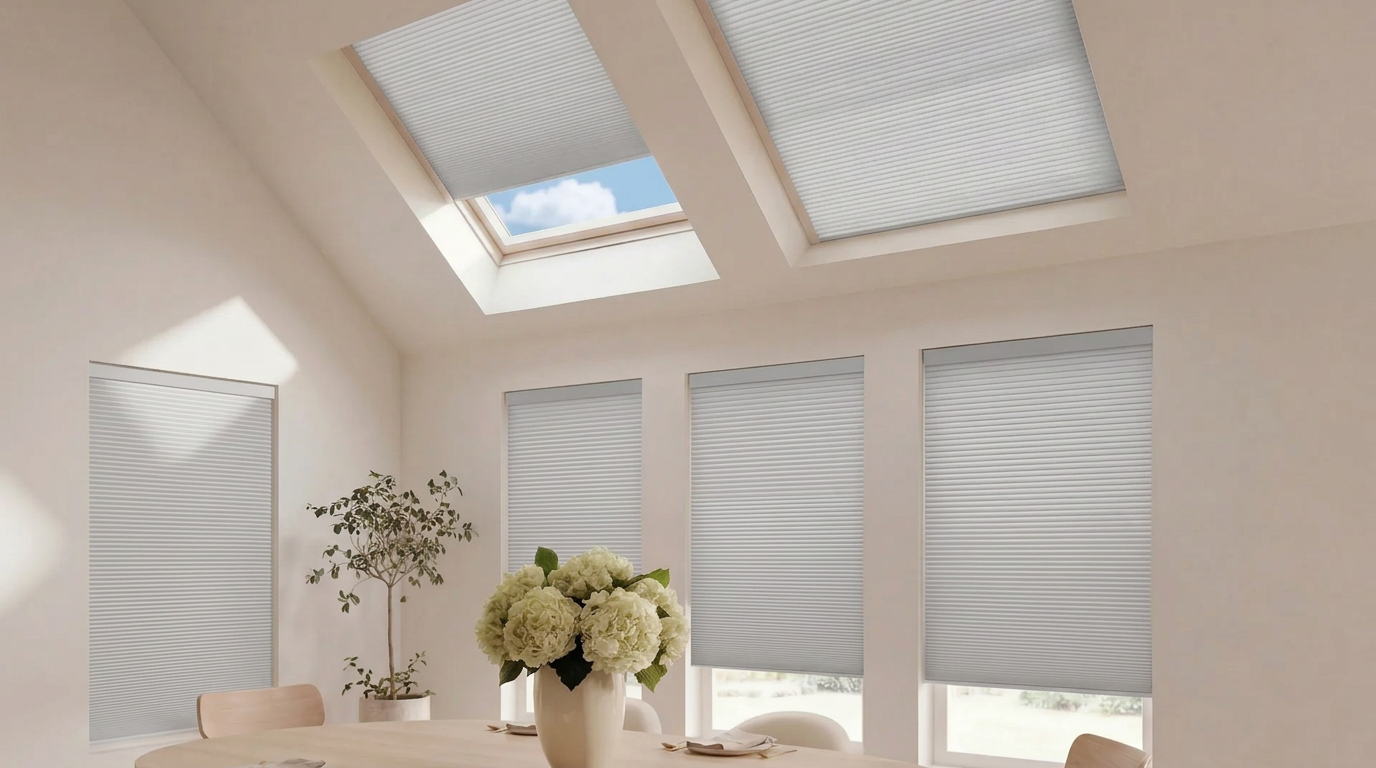
French door window treatments require low-profile designs that clear lever handles and allow full door swing without obstruction. Slim cellular shades and roller shades sit close to the glass, delivering reliable privacy and light control without adding heavy bulk to the door frame.
Material selection directly impacts longevity and maintenance in high-traffic entryways. Woven fabrics introduce varied colors and light-filtering textures, whereas vinyl and aluminum resist moisture and wipe clean easily. Match the material to the room’s humidity levels, sun exposure, and daily foot traffic.
The table below compares top French door shade styles, materials, and installation clearances. Leading manufacturers like Hunter Douglas blinds and ALTA Window Fashions manufacture custom-fit product lines specifically engineered for narrow door frames and shallow glass depths.
| Style | Material Options | Best For | Considerations |
|---|---|---|---|
| Cellular Shades | Fabric (light-filtering to blackout opacities) | Thermal insulation, soft light diffusion, privacy | Select cordless or top-down/bottom-up systems to prevent swinging cords during door use. |
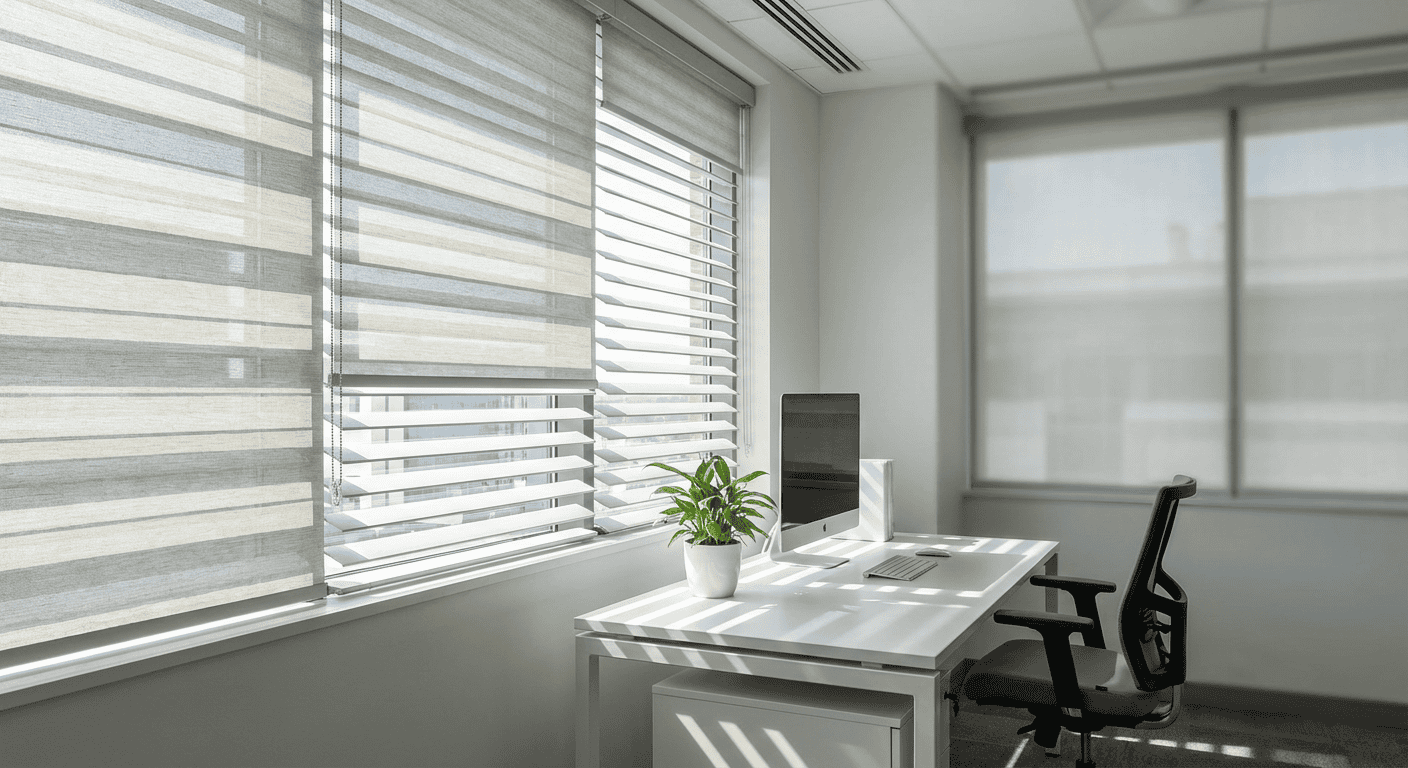
| Roller Shades | Fabric (sheer to blackout), vinyl, solar screens | Clean modern lines, simple operation, glare reduction | Compact upper cassette takes up minimal space; verify bracket projection clears door levers. |
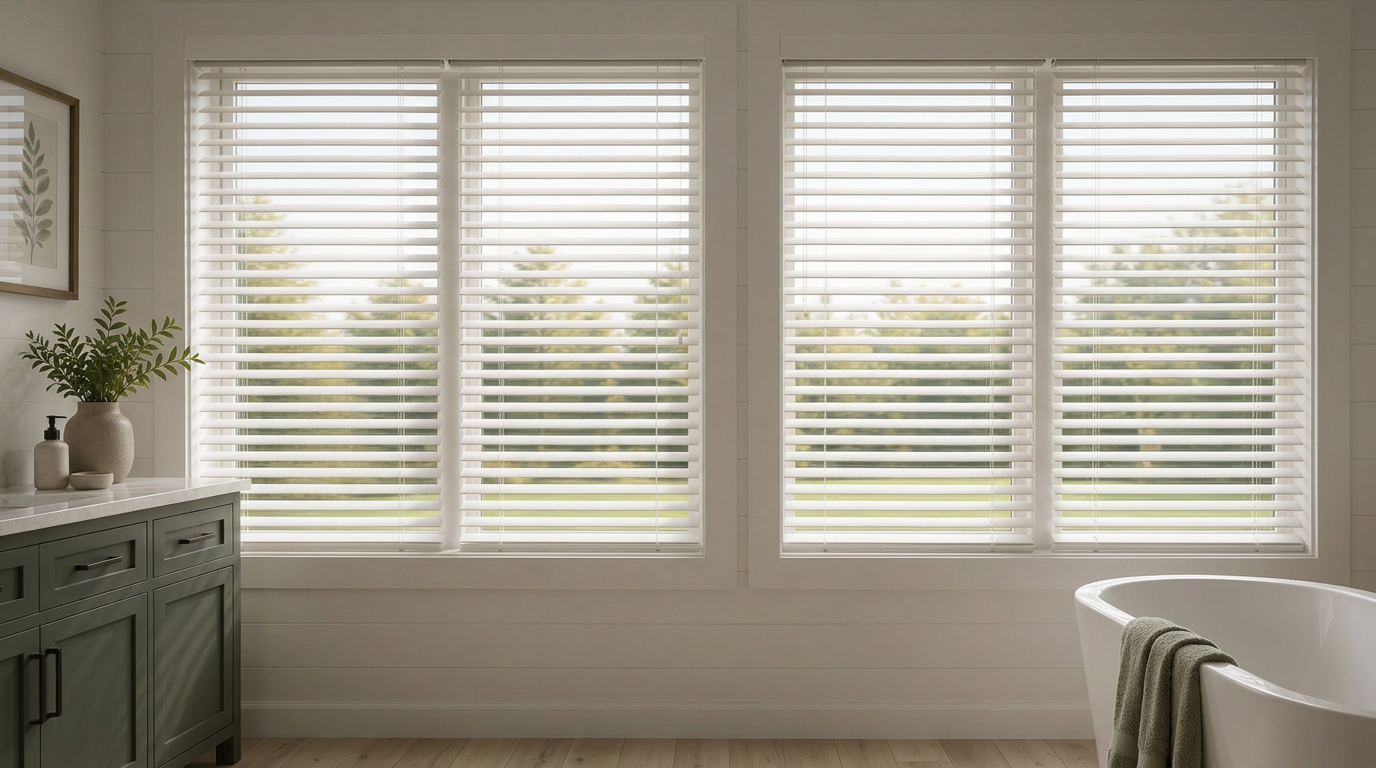
| Venetian Blinds | Aluminum, faux wood | Adjustable tilt light control, classic styling | Deep slats can hit door hardware; specify narrow 1-inch slats and hold-down brackets. |
| Roman Shades | Woven fabric (varied textures and patterns) | Tailored decorative look, soft light filtering | Stacked fabric folds add depth; pick flat-fold styles to prevent hardware collisions. |
Measuring & Installing French Door Blinds
Exact dimensions stop light leaks and keep your doors swinging freely. Because French doors feature shallow glass frames and protruding levers, an outside mount works best to cover the window pane without hitting the hardware.
Taking precise dimensions is frequently the hardest step for homeowners. Advance Blinds: Blinds, Shades & Drapery In Manitoba offers Custom Measures so every window treatment fits the door frame and operates smoothly. Booking a professional installer is the best choice when outfitting multiple doors or specialized shades, ensuring a clean finish across your home.
- Record the Width: For an outside-mounted blind, record the exact glass width and add 1 to 1.5 inches on both the left and right edges to eliminate light gaps.
- Record the Height: Measure the glass from the top edge to the bottom edge, then add 1 to 1.5 inches to both ends for full coverage.
- Verify Surface Clearance: Check that the flat door trim around the glass has enough open space to hold the mounting hardware and clear the door handle.
- Fasten the Brackets: Screw the brackets into the door surface following the product manual, using a level to keep the alignment straight.
- Snap in the Headrail: Slide or clip the top rail of the blind directly into the mounted brackets until it locks into place.
- Check Door and Blind Movement: Swing the door open and shut, then raise and lower the shade to verify smooth travel and full handle clearance.
| Installation Feature | Advantage for French Doors |
|---|---|
| Outside Mount | Extends past the glass and molding to block side glare and clear door levers. |
| Professional Measurement | Delivers an exact fit that prevents light gaps and hardware collisions. |
| Cordless Design | Eliminates dangling cords that tangle in door handles and improves safety for kids and pets. |
| Motorized Control | Syncs multiple door shades at once using options like PowerView Automation. |
Smart Blinds for Light Control & Privacy
Fitting window coverings onto swinging French doors requires slim hardware that avoids door handles and frame trim. Homeowners need coverings that block glare and maintain room privacy while allowing both doors to open and close freely.
Chloe wants to upgrade the French doors in her Winnipeg, Manitoba home for better glare reduction and nighttime privacy without blocking the door levers. She is comparing honeycomb cellular shades against standard roller shades with Advance Blinds. Which French door window treatment balances clean design with smooth daily door use for her Winnipeg property?
Recommendation: Cellular Shades for French Doors
Advance Blinds in Manitoba recommends honeycomb cellular shades for French doors because their shallow mounting depth sits nearly flush against the glass frame. The cellular air pockets trap heat during cold Manitoba winters, while compact brackets keep lever handles completely clear. Homeowners can also pair these low-profile shades with motorized smart blinds controls to adjust privacy and daylight on a set schedule without dangling cords.
Top French Door Blind Picks
French door window treatments need a shallow mounting depth, reliable light filtering, and clearance around the lever or knob so the door swings freely. Slim-profile and integrated window coverings fit directly against the glass frame without catching on hardware. Advance Blinds: Blinds, Shades & Drapery In Manitoba matches homeowners with low-clearance coverings that coordinate with room interiors and handle daily foot traffic.
Daily door usage, sunlight exposure, and privacy needs dictate the best shade material for a hinged entryway. Roller shades feature a flat profile and roll up completely into a compact cassette to expose the full glass pane. Cellular honeycomb shades trap air in pockets to insulate glass panels against heat transfer while softening direct glare.
Heavy or deep-set coverings often interfere with door operation. Standard horizontal Venetian blinds have thick slats that bang against the glass when the door swings and frequently block lever handles. Selecting a shallow-depth shade prevents hardware collisions and lets the door open fully against adjacent walls. Homeowners can also add motorized or cordless lifts for faster privacy adjustments and safer operation.
| Blind Type | Best For | Considerations |
|---|---|---|
| Cellular Shades | Thermal insulation and diffused daylight. | Slim mounting depth; requires room-darkening fabric for total light blockage. |
| Roller Shades | Clean, flat lines and total privacy with blackout fabrics. | Simple lift operation; needs adequate top frame clearance for the roller tube. |
| Pleated Shades | Textured visual style with flexible light control. | Pleated fabric edges can wear down on high-traffic entry doors. |
| Vertical Blinds | Wide patio openings and sliding glass doors. | Too wide and bulky for standard hinged French door frames. |
| Wood Blinds | Traditional room styles and natural wood trim. | Heavy slats swing and clatter against the glass unless secured with hold-down brackets. |
| Faux Wood Blinds | High-moisture areas like kitchens, mudrooms, or bathrooms. | Heavier than fabric shades; prone to wear on frequently opened doors. |
Maintaining Your French Door Blinds
Weekly dusting and targeted spot cleaning stop surface dirt from breaking down French door window treatments over time. Because doors experience constant movement and handling, selecting the right cleaning method for your specific shade or blind material prevents fabric wear, slat warping, and premature discolouration.
Homeowners in Winnipeg, Manitoba, can keep door coverings looking new with a quick weekly maintenance schedule. Removing dust buildup from tracks, cords, and headrails also stops mechanical wear inside the operating systems.
| Material | Maintenance Tip | Frequency |
|---|---|---|
| Fabric Blinds (Cellular, Roller) | Sweep away surface dust using a feather duster or low-suction vacuum brush. Blot stains gently using lukewarm water, mild dish soap, and a microfiber cloth. | Dust weekly; spot-clean stains immediately. |
| Wood or Faux Wood Blinds | Run a dry or lightly dampened cloth along each slat to clear dust and fingerprints. Keep real wood slats dry to prevent warping or finish damage. | Once every 1 to 2 weeks. |
| Vinyl or Aluminum Blinds | Clear loose dust with a dry duster. Remove sticky grime by wiping slats with a damp cloth dipped in mild soapy water. | Dust weekly; wet-wipe once a month. |
| Motorized Blinds | Follow the care rules for the specific fabric or slat material. Keep the motor housing dry and test smart light-control settings and battery power on schedule. | Clean material weekly; inspect batteries every 6 to 12 months. |
FAQ
To round out our french door blinds guide, we have compiled answers to the most common questions about outfitting these unique entryways. Explore the table below for practical insights on boosting energy efficiency, blocking harsh sunlight, and measuring for a custom fit that effortlessly clears your door handles.
| Question | Answer |
|---|---|
| Which window treatments for French doors provide the best insulation and energy efficiency for Canadian homes? | Cellular shades provide the highest insulation for French doors in Canadian homes because their honeycomb pockets trap air and block seasonal heat transfer. Roman shades with thermal linings and low-profile solar roller shades also reduce drafts and solar heat gain across large glass panes. Mounting these treatments tightly against the door frame with hold-down brackets prevents cold air from circulating into the room while keeping the door handle clear. |
| Which window treatments work best as custom-fit blinds for French doors? | Low-profile cellular shades, slim roller shades, and wood or faux wood Venetian blinds work best for custom-fit French door installations. Because these styles mount directly onto the door frame with shallow brackets, they provide adequate clearance for handles and locks. Adding hold-down brackets or magnetic bottom rails keeps the blinds secure against the glass so they do not swing when the door opens and closes. |
| Which French door blinds and shades block intense sunlight and reduce indoor heat? | Cellular shades use an insulating honeycomb structure to trap air and block solar heat transfer through glass door panels. Slim-profile roller shades made with specialized solar or blackout fabrics also deflect glare and lower indoor temperatures while clearing door handles. For a softer look, custom Roman shades with thermal linings or faux wood Venetian blinds with tight-closing slats block harsh UV rays and help keep rooms cool. |
| How do you measure and install French door blinds so they clear door handles and move freely? | Measure the width and length of the glass pane and add two to three inches to each dimension so outside-mount brackets sit securely on the solid door frame. Check the depth and position of lever or knob handles before ordering, and choose slim-profile cellular or roller shades with extension brackets if extra clearance is required. During installation, attach bottom hold-down brackets or magnetic strips to keep the blinds flush against the door and prevent swinging during daily operation. Professional measurement and installation ensure the hardware clears all handles and locks without blocking the door’s swing path. |