
Answer
Homeowners comparing Roman vs roller shades balance the tailored, pleated fabric folds of Roman treatments against the flat, compact roll of roller shades. Because Roman styles require higher fabric yardage and intricate stitching, they carry a higher price tag and suit decorative living spaces. Advance Blinds stocks both window coverings in Winnipeg, giving local buyers the ability to test materials and operating mechanisms firsthand.
Overview
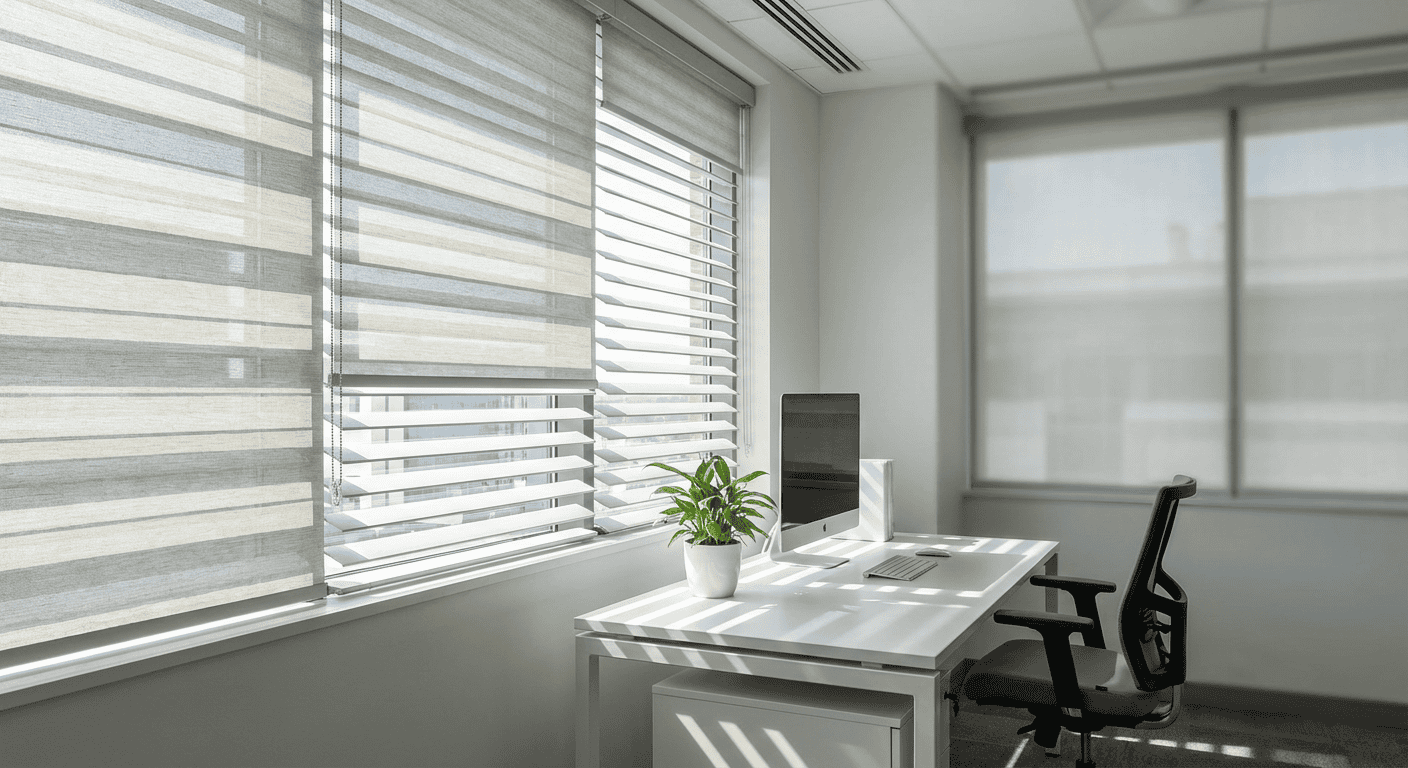
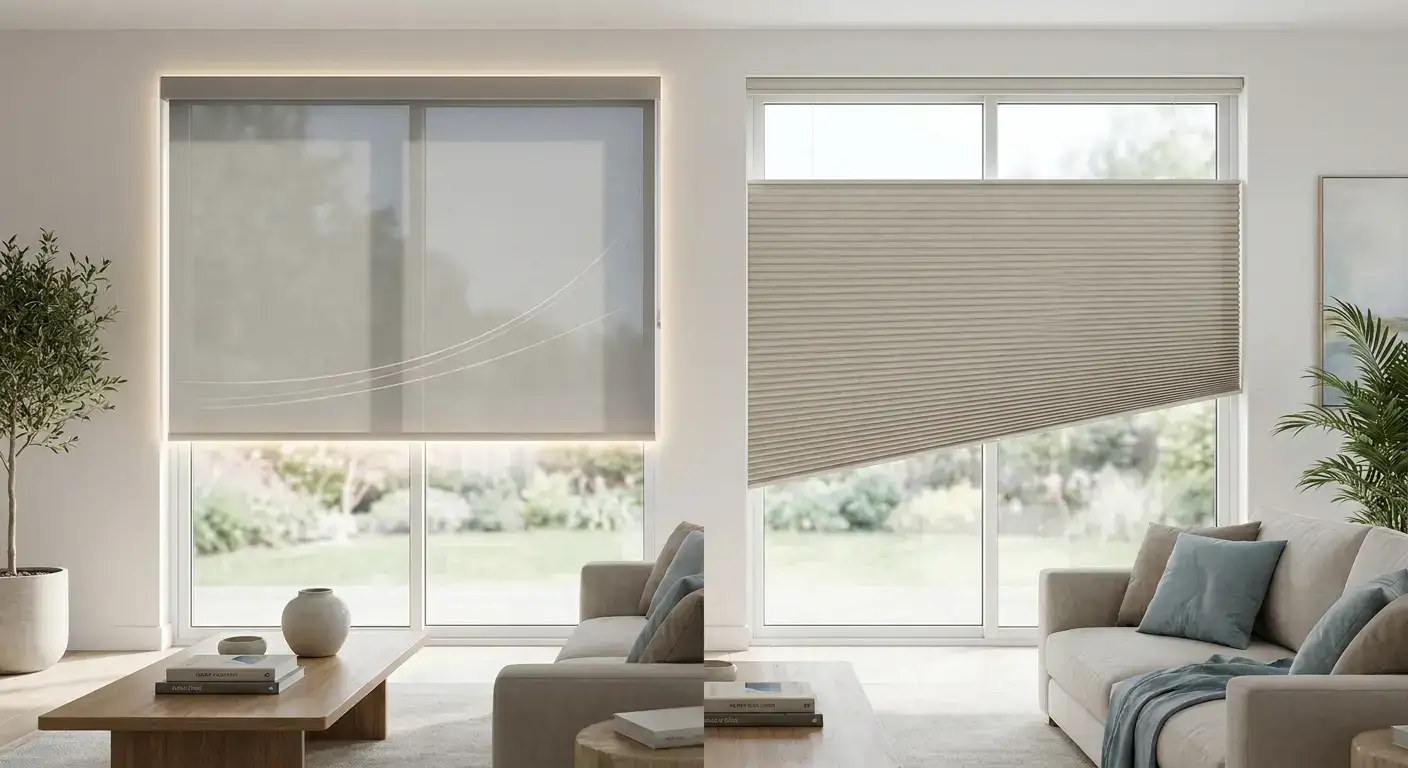
Homeowners comparing Roman vs roller shades evaluate two distinct window covering mechanics: soft horizontal fabric folds versus a compact cylindrical tube. Both styles control daylight, manage room privacy, and fit standard or custom window frames, yet they differ sharply in stack height, cleaning requirements, and visual texture. A labeled real-world scenario below illustrates how these construction details affect daily room use.
The sections ahead break down material performance, compare core specifications side by side, and match each window treatment to specific room layouts and light conditions.
- Roman Style: Review weave selections, fold profiles, and lifting systems for Roman shades.
- Roller Benefits: Examine solar screen fabrics, low-profile cassettes, and maintenance advantages of roller shades.
- Key Differences: Compare light blockage, mounting depth, and cleaning needs across shade characteristics.
- When Roman: Identify living areas and decor styles where Roman shades suit your interior layout.
- When Roller: Pinpoint high-moisture rooms and modern spaces where roller shades deliver better daily performance.
- Your Choice: Start your custom window measurement and fabric consultation with Advance Blinds.
Roman Shades: Style & Function
Horizontal fabric pleats define the profile of Roman shades, stacking evenly at the top of the window casing when lifted. This layered construction adds texture and dimension to bare glass. Formal living rooms, dining spaces, and bedrooms benefit most from this draped appearance. Homeowners can select from hundreds of woven textiles, colors, and patterns to coordinate directly with existing upholstery and room decor.
Lowering a Roman shade creates a flat, continuous fabric panel, while raising it forms structured horizontal folds. Systems like Duolite shades Dual pair a light-filtering sheer with a room-darkening liner on a single headrail, giving users precise command over daylight and nighttime privacy. Comparing Roman vs roller shades highlights clear differences in window depth, fabric stacking, and light management for traditional and transitional interiors.
| Feature | Description |
|---|---|
| Fabric Choices | Produced in a wide selection of textiles ranging from translucent sheers to opaque blackout weaves, with multiple patterns and surface textures. |
| Lining Options | Compatible with thermal and privacy backing materials that boost room insulation and block incoming street light. |
| Mounting Styles | Inside mounts fit flush within the window frame for a tailored profile, whereas outside mounts overlap the trim to make the window look wider and taller. |
| Operating Systems | Available in corded, cordless, and motorized configurations, including PowerView Automation for scheduled movement and improved child safety. |
Roller Shades: Practical Benefits
Retracting tightly into a compact top cassette or headrail, Roller shades keep window glass clear when raised. This flat-panel design relies on a single fabric sheet wound around a metal tube, giving homeowners direct control over incoming daylight without bulky fabric stacks blocking the frame.
Fabric choices span from 1% to 14% openness solar screens that preserve outdoor views while cutting UV glare, down to 100% opaque blackout textiles that block external light. Because of this material range, roller shades fit high-moisture kitchens, sun-drenched living rooms, and bedrooms needing total darkness. Advance Blinds helps Winnipeg homeowners match exact fabric openness factors and thermal backings to each room’s window orientation.
Hardware upgrades further simplify daily operation. Custom systems from Alta Window Fashions feature cordless spring-assist lifts and continuous-loop clutches for steady, even tracking. Homeowners can also add PowerView Automation to schedule shade movements via smartphone app, voice command, or smart-home hubs.
| Benefit Category | Description |
|---|---|
| Clean Lines | A flat profile rolls completely into the upper valence, leaving the window frame open and keeping outdoor sightlines clear. |
| Material Variety | Fabrics include UV-blocking solar screens, translucent light-filtering weaves, and room-darkening vinyl or polyester backings. |
| Durability | Moisture-resistant and dust-repellent synthetics stand up to daily wear. Review how to clean roller shades to extend fabric life. |
| Operation Ease | Cordless tension lifts, beaded chains, and battery-powered motors allow quick one-handed or automated positioning. |
Roman vs. Roller Shades: Key Differences
Roman shades and roller shades differ primarily in how they stack, filter light, and shape a room’s design. When raised, Roman shades gather into soft horizontal pleats, delivering a classic, drapery-inspired look with added texture and visual depth. Roller shades roll up tightly into a compact tube at the top of the window frame, maintaining a flat, minimalist profile.
Light management and thermal performance also separate the two styles. Roman shades constructed with heavy textiles or blackout linings block incoming sunlight and insulate windows against heat loss. Roller shades are available in opacities ranging from sheer solar screens to 100% blackout vinyl, though their flat mounting style can leave narrow side light gaps unless installers add side channels or take exact inside-mount measurements. Homeowners who want complete darkness in bedrooms typically pair custom-fitted blackout roller shades with light-blocking channels to stop halo leakage around the edges.
Advance Blinds supplies custom configurations for both window treatments, including dual-fabric Duolite shades that pair a light-filtering sheer with a room-darkening liner on a single headrail. Daily operation also varies between the two products, as roller shades raise and lower faster along a single spinning tube. Comparing Roman vs roller shades comes down to your priorities for fabric texture, room darkening, and daily handling.
| Feature | Roman Shades | Roller Shades |
|---|---|---|
| Visual Style | Soft, pleated fabric folds suited for traditional or transitional rooms. | Flat, low-profile fabric panel built for modern or minimalist spaces. |
| Light Control | High light blocking with lined fabrics; adds window insulation. | Spans sheer to blackout opacities; requires an exact fit to eliminate side light gaps. |
| Fabric Selection | Broad range of woven textiles, custom patterns, and heavy textures. | Solar screen mesh, room-darkening vinyl, and printed fabrics. |
| Operation | Slower lifting speed as pleats fold; available with cord loops, cordless lifts, or PowerView Automation. | Fast, smooth rolling action; offered with spring rollers, continuous cord loops, or Alta Window Fashions motorization. |
| Cleaning and Care | Pleated folds can trap dust; delicate textiles may need professional cleaning. | Flat surface sheds dust and wipes clean with a damp cloth. |
When to Choose Roman Shades
Homeowners comparing Roman vs roller shades should choose Roman shades when a room calls for soft texture and a custom drapery look. The structured fabric pleats add architectural detail that pairs well with traditional, transitional, and modern interiors. Unlike flat window coverings, Roman shades bring dimension and pattern directly to the window frame.
In Winnipeg homes, Advance Blinds installs Roman shades most often in living rooms, dining rooms, and primary bedrooms where visual warmth and layered comfort matter most. You can select from sheer weaves, light-filtering linens, or heavy room-darkening textiles to manage glare and nighttime privacy. When the window needs to serve as a design centerpiece rather than fade into the wall, Roman shades deliver strong visual impact.
Select Roman shades when your room layout benefits from tailored fabric construction and flexible light management. Upgrading to a dual-panel system like Duolite pairs a light-diffusing sheer with an opaque room-darkening liner on a single headrail, giving you daytime sunlight and full nighttime privacy in one unit.
| Room or Goal | How Roman Shades Perform |
|---|---|
| Formal Living Spaces | Soft horizontal folds introduce warmth, texture, and a custom-tailored finish. |
| Bedrooms & Dining Rooms | Lined fabrics block street light and boost privacy while dressing up the window. |
| Custom Decor Matching | Hundreds of woven textiles, colors, and patterns coordinate with existing furniture. |
| Thermal Insulation | Thick fabrics and thermal backings reduce window drafts during cold Winnipeg winters. |
| Visual Centerpiece | Sculpted pleats turn bare glass into a prominent design feature. |
When to Choose Roller Shades
Homeowners comparing Roman vs roller shades should pick roller styles when low-profile edges, tough materials, and broad light-filtering options take priority. A single tube mechanism rolls the fabric up tight against the top casing, making these coverings fit busy rooms where privacy and glare reduction matter most. This flat silhouette pairs well with modern and minimalist home interiors.
Roller shades also perform best in spaces requiring quick, wipe-down care. Because the flat fabric panel lacks deep horizontal folds, it traps far less household dust and pet dander than pleated cloth drapery. Advance Blinds suggests these hard-wearing coverings for kitchens, bathrooms, and active family rooms where daily wear demands a wipeable, low-upkeep surface.
| Room or Priority | Select Roller Shades When… |
|---|---|
| Modern Interior Styling | Your windows need a flat, compact profile that stays hidden when raised and avoids heavy fabric bulk. |
| Busy Household Zones | Playrooms, hallways, and family spaces require tough hardware and snag-free daily operation. |
| Sun and Glare Management | Rooms need exact solar filtering, ranging from view-preserving sheer weaves to total room-darkening fabrics from Alta Window Fashions. |
| Humid Environments | Steam and splashes occur regularly, such as over kitchen sinks or inside bathrooms where synthetic rollers resist mildew. |
| Strict Project Budgets | You want dependable light control and long-lasting hardware at a lower price per window than custom sewn drapery. |
| Smart Home Motorization | You plan to link window coverings to wall remotes, schedules, or voice assistants using PowerView Automation. |
| Fast Routine Cleaning | Simple dusting and spot-wiping are priorities, as detailed in our Clean roller shades guide. |
Your Choice with Advance Blinds
Homeowners select window coverings by matching daily room requirements with their personal decor preferences. We help clients evaluate practical performance alongside visual design. Some interiors benefit from the structured fabric folds of Roman shades, while others need the flat, minimalist profile of roller shades.
Specialists at Advance Blinds match window treatments to exact room priorities, including light filtering and privacy control. Evaluating how a space is used and reviewing current furniture styles helps narrow down the best fabric and hardware options. Local homeowners consistently favor durable coverings that maintain their appearance over years of daily use.
|
Product |
Best for |
Budget |
Reason |
|---|---|---|---|
|
Roman Shades |
Adding warmth and softness to living rooms or bedrooms |
Mid to High |
Delivers a tailored, traditional look with heavy textile choices and solid thermal insulation. Models featuring Duolite dual-opacity systems allow flexible daylight adjustments. |
|
Roller Shades |
Modern spaces, humid rooms such as kitchens or bathrooms |
Low to Mid |
Creates a compact, low-profile appearance with strong room-darkening performance and simple wipe-clean upkeep, including collections from Alta Window Fashions. |
|
Automated Shades |
Daily convenience, smart home setups, tall or awkward windows |
High |
Provides hands-free adjustments through systems like PowerView Automation, supporting programmed schedules that improve energy efficiency. |
|
Custom Drapery |
Layered window designs, bold visual statements, extra draft protection |
Mid to High |
Adds a plush, custom-sewn finish and stronger window insulation, with fabric patterns built to coordinate with existing room palettes. |
Advance Blinds supplies a full catalog of Hunter Douglas window coverings so buyers can compare fabric textures and lifting systems side by side. When comparing Roman vs roller shades or alternative window treatments, we measure and fit each product to match the exact dimensions and daily routines of the home.
FAQ
Deciding on the right window treatments comes down to balancing your home’s aesthetic with practical needs like light control, maintenance, and budget. To help you make the final call on Roman vs roller shades, the following table answers the most common questions about how these two popular styles compare.
| Question | Answer |
|---|---|
| What is the main visual difference between Roman vs roller shades? | The main visual difference between Roman vs roller shades comes down to fabric texture and how the window treatment stacks when raised. Roman shades create a soft, classic look with structured horizontal folds that stack neatly at the top of the window frame. Roller shades feature a single flat panel that rolls up completely into a compact tube or cassette for a clean, minimalist profile. Choosing between them depends on whether your room suits traditional drapery-like warmth or sleek, modern simplicity. |
| How do Roman vs roller shades compare for light control, privacy, and window insulation? | Both styles accommodate custom light control and privacy options ranging from sheer light-filtering to full blackout fabrics. In a direct Roman vs roller shades comparison for insulation, Roman shades outperform rollers because their thick, layered fabric folds trap air and reduce drafts at the window. Roller shades rely on single-panel materials, so achieving maximum light blockage and thermal efficiency requires pairing room-darkening or blackout fabrics with a tight inside mount or side channels to limit light gaps. |
| Are roller shades easier to clean and maintain than Roman shades? | Yes, roller shades require less maintenance because their smooth, flat panels wipe clean with a damp cloth, making them practical for kitchens and high-traffic rooms. Roman shades feature pleated fabric folds that trap dust more easily and need regular vacuuming with a brush attachment. When comparing Roman vs roller shades for upkeep, woven or delicate Roman shade fabrics also often require professional spot cleaning to prevent water stains or shrinkage. |
| Which option is more affordable when comparing Roman vs roller shades? | When comparing Roman vs roller shades, roller shades are generally the more budget-friendly option because their simple tubular design uses less material and requires fewer manufacturing steps. Roman shades carry a higher upfront cost due to their intricate hand-stitched construction, internal cord or rod mechanisms, and the extra fabric needed to form stacked pleats. However, final pricing for either window treatment can increase significantly if you select custom designer textiles, room-darkening liners, or smart motorization features. |