
Answer
When evaluating battery powered shades installation and wired comparisons, homeowners appreciate that wire-free shades mount quickly without cutting into drywall or hiring an electrician. Advance Blinds offers premium systems equipped with discreet rechargeable battery wands, delivering reliable automated operation without the complex infrastructure required by hardwired setups. While hardwired shades suit extensive new construction builds, modern battery-operated window treatments provide effortless smart integration and simple upkeep for any existing space.
Overview
Planning window automation involves evaluating power delivery, casing depth, and long-term operating costs before mounting hardware. This breakdown examines battery powered shades installation and wired comparisons so property owners can evaluate power sources against their remodeling timelines.
The analysis includes a labeled real-world hypothetical centered on a living room upgrade under specific window frame conditions, outlining how product selection aligns with structural constraints. Review the sections below to navigate the core stages of planning, fitting, and hardware selection.
- Core Benefits: Learn why wire-free motors provide flexible setups by reviewing battery shade advantages across retrofit projects.
- Direct Comparison: Contrast structural demands and upkeep by assessing wired versus battery power configurations.
- Selection Criteria: Match fabric weights, motor capacities, and bracket profiles to select motor systems suited for distinct window depths.
- Mounting Guidance: Follow reliable bracket placement practices to install automated shades without damaging window framing.
- Real-World Example: Read a practical scenario highlighting retrofits in the shades in action project walk-through.
- Professional Service: Explore customized measurement and motor programming with Advance Blinds window treatments for balanced indoor control.
Primary Benefits Of Wire Free Window Coverings
Modern residential automation often begins with cord-free window treatments designed to avoid intrusive electrical retrofits. Integrating rechargeable battery wands into your window casing eliminates the expense of hiring licensed electricians, cutting finished drywall, or patching paint. Slim drive mechanisms rest fully concealed inside the top cassette or headrail, preserving clean sightlines along trim moulding while removing dangling manual cords entirely.
Wire-free installations deliver unmatched flexibility across challenging architectural layouts:
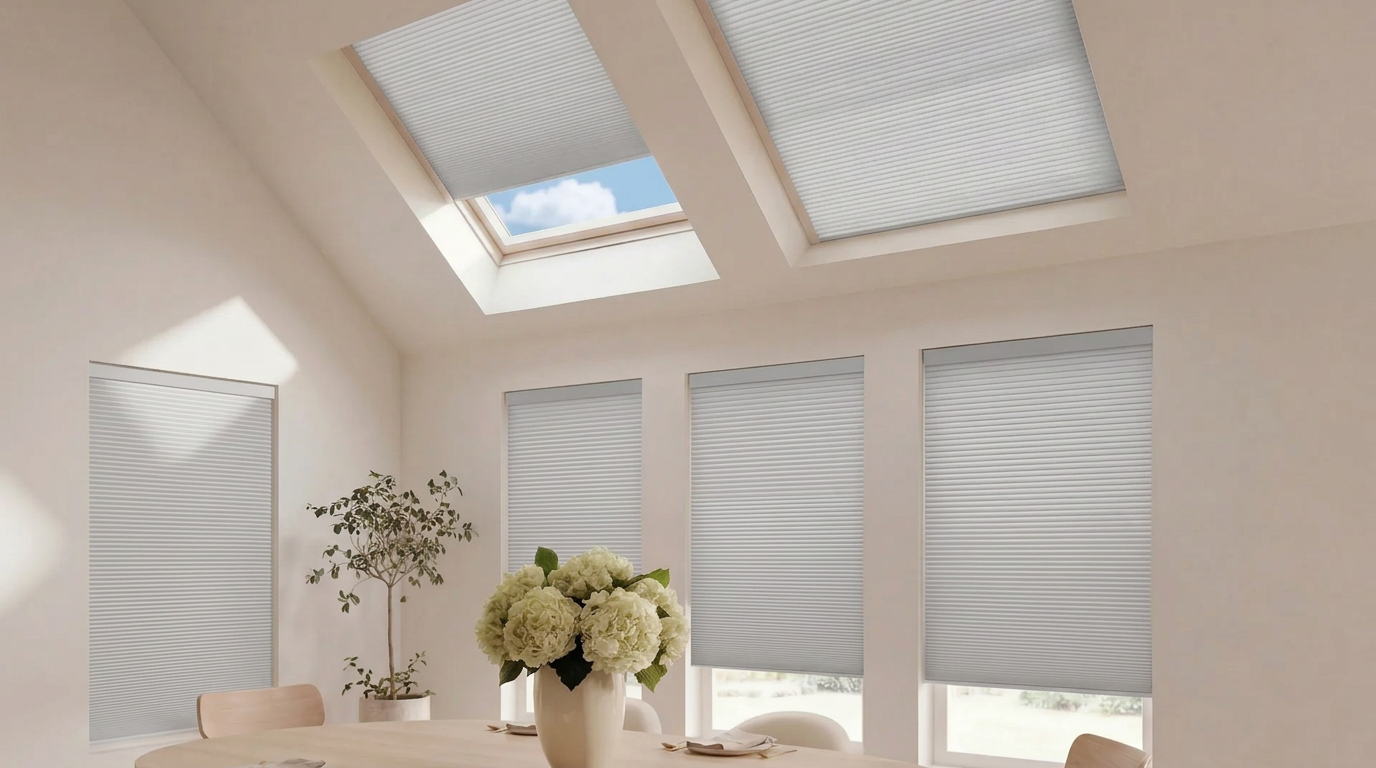
- Vaulted ceilings, tall transom panes, and upper skylights operate effortlessly without requiring dedicated electrical conduits.
- Sunrooms and sprawling multi-window walls retain architectural integrity without running visible wiring tracks across structural posts.
- Handheld multichannel remotes and mobile applications let homeowners adjust view, heat gain, and privacy from across the home.
Evaluating power styles involves weighing convenience against operational characteristics. Our specialists help clients balance these trade-offs before ordering custom treatments:
| Operational Factor | Wire-Free DC Motor System | Hardwired Line-Voltage System |
|---|---|---|
| Safety and Aesthetics | Cordless architecture protects small children and pets while keeping woodwork unobstructed. | Cordless design maintains clean frames without visible wiring drops. |
| Structural Impact | Brackets mount directly to jambs without opening wall surfaces or hiring trade contractors. | Requires dedicated wiring runs, junction boxes, and drywall patching. |
| Routine Maintenance | Wands require USB-C recharging or cell replacements after several months of active use. | Draws constant building power with zero cell upkeep required. |
| Lifting Speed | Motors run at smooth, measured speeds calibrated for battery conservation. | AC motors drive fabric rolls at consistently rapid speeds across extra-large spans. |
Evaluate Battery Motorization Against Hardwired Systems
Choosing the correct power architecture hinges on your project timeline, wall structure, and long-term maintenance preferences. Selecting the right motorization among modern operating systems requires looking closely at whether your property is mid-construction or fully finished.
| Feature | Battery-Operated Motorization | Hardwired Motorization |
|---|---|---|
| Power Source | Internal or external rechargeable power pack | Continuous 12V/24V or line-voltage home grid |
| Installation Scope | Mounts directly to trim or drywall without wiring | Requires dedicated electrical conduit to headers |
| Ideal Project Stage | Finished properties, retrofits, and high ceilings | New construction or complete wall-open renovations |
| Ongoing Upkeep | Recharge pack every several months | Zero battery maintenance for the product lifespan |
Hardwired configurations link directly to household electricity, supplying continuous power to each motor. This infrastructure removes recharging routines permanently, yet installing it requires running low-voltage wiring behind studs to every window frame. For homeowners framing a new build or stripping walls down during a major remodel, routing electrical feeds directly to window headers presents minimal disruption.
For finished homes, high transom glass, or spaces where opening drywall is impractical, modern Rechargeable Battery Wands offer a clean, wire-free alternative. Battery-powered units fasten to the headrail or casing in minutes, eliminating drywall patching, repainting, and electrician service calls. Advance Blinds guides property owners through window depth measurements, glass dimensions, and power placement to match each room with the right motor system.
Choosing Cordless Motorization for Tall and Upper Windows
Automated window treatments solve the physical challenge of managing glass positioned ten to twenty feet above floor level. In homes with vaulted great rooms or double-height foyers, climbing ladders to adjust manual cords poses a continuous fall hazard. Running copper wiring behind existing drywall introduces invasive construction, mess, and significant electrician fees.
For retrofitting existing spaces, homeowners often weigh initial installation disruption against routine motor servicing. Consider Eleanor, a homeowner seeking motorized shades for her upper-level architectural panes. She wants clean lines without cutting into finished plaster, but she needs clear answers about long-term charging routines before committing to a wire-free setup.
Performance and Maintenance Factors for High-Mount Shades
- Power delivery: Modern rechargeable battery wands slip behind headrails or mount discreetly alongside brackets, holding an electrical charge for roughly one full year under typical residential usage.
- Frame integration: Self-contained motors attach directly inside standard casing depths without requiring exterior junction boxes or external conduit pipes.
- Remote connectivity: Radio-frequency handheld remotes and programmable wall switches transmit operational signals across multiple floors without physical signal wires.
Advance Blinds recommends wireless motorization for Eleanor and other property owners managing elevated openings. Pairing battery motors with Hunter Douglas PowerView® Automation gives full control over light and privacy through scheduled smartphone routines, completely bypassing the expense and disruption of hardwired electrical runs.
Mounting Steps And Routine Care For Cordless Motorized Shades
Precise bracket positioning preserves motor health and delivers whisper-quiet lift cycles over years of daily operation. Our professional installation services correct micro-level bracket discrepancies and establish precise motor limits, preventing the skewing and fabric fraying common to self-installed projects. When hanging shades yourself, adhere to a strict setup protocol to ensure smooth vertical travel.
Seven Steps for Setup and Long-Term Performance
- Level and secure brackets: Drill into the framing timber or wall anchors using surface-rated screws, checking true horizontal plane with a torpedo level across both bracket seats.
- Seat the cassette: Push the upper headrail firmly into the spring clips until you hear the retention locks snap closed.
- Supply power: Insert fresh lithium cells into the top housing or plug in the slim external rechargeable battery pack.
- Pair control devices: Hold the motor programming button down to initialize signal pairing with your wall switch, handheld remote, or automation hub.
- Set travel thresholds: Jog the fabric incrementally to record the upper limit near the cassette and the bottom stop flush against your window trim.
- Remove surface debris: Dust the rolled fabric and cassette housing once a month using a soft horsehair brush attachment on low suction or a lint-free microfiber pad.
- Maintain battery reserves: Recharge or replace cells periodically, or attach solar chargers to window glass to trickle-charge the motors continuously and eliminate manual recharging.
Consistent cleaning and early battery recharges prevent motor strain, ensuring your cordless window coverings operate reliably across all seasons.
Everyday Living Applications For Cordless Motorized Treatments
Rechargeable battery wands give homeowners complete control over clerestory windows, tall vaulted spaces, and glass positioned behind heavy sectionals without cutting open drywall for electrical wiring. Manitoba sunrooms and skylight shafts experience extreme shifts in sunlight angle from morning to dusk, making automated tilt or lift adjustments practical without manual reach sticks.
Silent Motor Operation For Private Living Zones
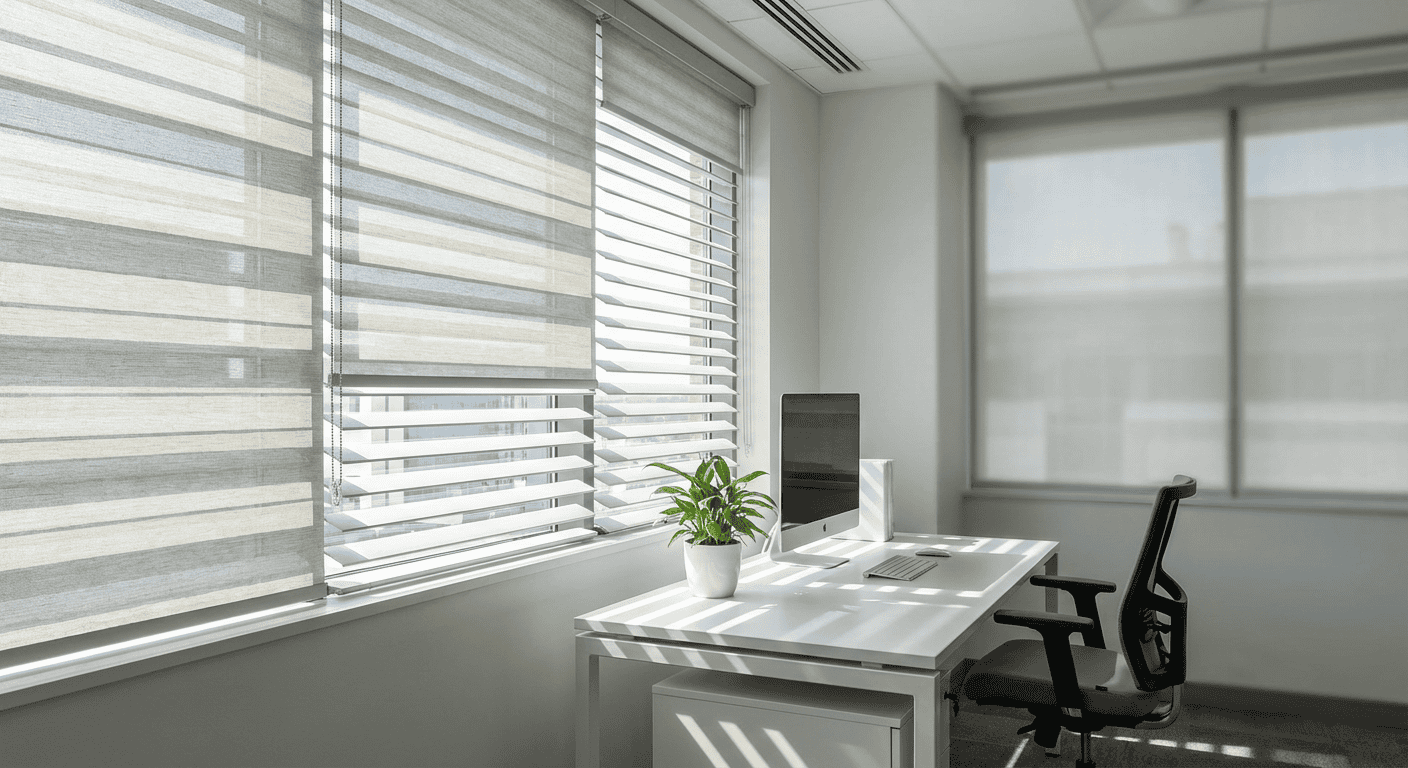
Bedrooms, nurseries, and dedicated media suites gain total blackout coverage through motorized cassettes mounted tight against the trim. Modern micro-motors operate below standard conversational decibel thresholds, ensuring early-morning schedules or late-night adjustments never wake sleeping children. You can also combine independent day and night fabrics on a single headrail by pairing these motors with Duolite® shades dual function designs for maximum versatility.
Managing Cycle Frequency And Daily Power Demand
While wire-free motors adapt to almost any existing casing, frequent lifting depletes energy stores faster. Rooms where shades move upwards of four to six times daily create higher maintenance demands for battery swaps. Consider these direct application factors when planning your motor strategy:
- High-traffic picture windows: Active patio doors or kitchen sink windows that cycle constantly drain basic lithium packs quickly; hardwired lines or accessible rechargers serve these spots best.
- Continuous trickle charging: Installing solar chargers for motorized shades behind upper glass panels captures ambient sunlight and preserves charge levels indefinitely between manual plug-ins.
- New builds versus retrofits: Unfinished construction framing provides direct paths for low-voltage wiring, whereas completed homes preserve trim and paint by sticking with self-contained battery assemblies.
Motorization Systems Available At Advance Blinds
Winnipeg homeowners rely on automated window treatments to manage solar gain and stabilize interior temperatures during sub-zero winters and humid summers. At Advance Blinds, we configure and fit custom automated shading tailored to room architecture and family habits. Choosing the best motor setup involves assessing electrical rough-in access, target window elevations, and how you want to issue commands.
For elevated stairwell panes, cathedral ceilings, or finished drywall lacking line-voltage wiring, cordless battery drives eliminate the expense of tearing open walls. Advanced motorized window coverings and wireless shades deliver smooth operation without trailing cords. Our Winnipeg showroom features operating displays where property owners can test motor volume, transit speeds, and physical remotes prior to purchasing.
| Product System | Best Application | Investment Level | Functional Highlights |
|---|---|---|---|
| PowerView® Automation | Whole-house synchronization and custom daily schedules | Higher initial investment for network hub connectivity | Controls individual or grouped shades via smartphone apps, wall switches, handheld remotes, and voice commands. |
| SoftTouch® Motorization | Single window adjustments directly at the casing | Moderate cost with accessible entry point | Operates via an intuitive wand interface; pull down to lower and push up to raise without external programming. |
FAQ
To help you determine the best motorized window treatment for your space, the following table addresses common questions regarding battery powered shades installation and wired comparisons. Browse the answers below to explore practical considerations for power maintenance, window sizing, and retrofitting existing homes.
| Question | Answer |
|---|---|
| Which option works better for retrofitting existing homes in Plum Coulee, Manitoba? | Battery motors fit finished rooms because installers mount the headrail directly to the trim without cutting drywall. Wired motors require an electrician to fish low-voltage or line-voltage cables through studs, which adds labor expense unless walls are open for renovation. If you want motorized window coverings without patching paint or opening walls in Plum Coulee, Manitoba, wire-free battery shades provide the cleanest retrofit. |
| How often do rechargeable shade batteries require service? | Most lithium-ion battery motors run for six to twelve months on a single charge under typical daily use of one open and close cycle. Recharging takes three to five hours using a magnetic charging cable or a long charging wand designed for second-story windows. Cold winter drafts on drafty window panes can shorten lithium runtime slightly, so homes in Plum Coulee, Manitoba often charge motors twice a year. |
| Can solar charging accessories eliminate manual battery recharging on hard-to-reach windows? | Small solar panels mounted behind the top of the shade catch exterior daylight to maintain a continuous trickle charge. This setup keeps motors powered on tall foyer or vaulted ceiling windows where connecting a manual charging cable is inconvenient. If a window faces north or stays blocked by deep exterior overhangs, a standard plug-in extension wand remains the more dependable maintenance choice. |
| Do wired motorized shades provide advantages over battery motors on large picture windows? | Wired systems deliver constant electrical power, allowing motors to lift much heavier fabric spans and multi-story blackout drapery without slowing down. They also eliminate battery maintenance entirely and run slightly quieter because low-voltage wiring supports high-torque motors. For standard living room windows in Plum Coulee, Manitoba, however, modern battery motors provide identical remote and app control capabilities without the rough-in electrical work. |