
Understanding custom window treatments costs and options for Manitoba homes requires balancing personal style with climate durability, as total investments typically range from $300 to $1,500 or more per opening based on textiles, specialty hardware, and control mechanisms. Property owners can tailor their space with insulating cellular shades, elegant draperies, or innovative composite blinds engineered to manage dramatic prairie temperature swings. Through professional guidance from Advance Blinds, homeowners receive tailored installations that deliver draft reduction, effortless light management, and enduring aesthetic value.
Overview
Selecting custom window coverings involves balancing material durability, climate performance, and daily operating preferences across different rooms. The following sections break down custom window treatments costs and options for manitoba homes by examining insulation needs, long-term property appeal, and practical styling considerations.
A labeled real-world hypothetical illustrates how specific architectural layouts and exposure factors shape product selection for local living spaces. Review the core planning steps and structural requirements below to match your household priorities with the right treatment style.
- Product Selection: Compare seasonal performance and style differences when choosing window coverings for regional climates.
- Property Value: Examine how durable materials and precise tailoring improve home value over time.
- Drapery Insulation: Discover how layered fabrics and thermal linings create tangible benefits of custom drapery in living areas.
- Aesthetic Planning: Coordinate textures, light control, and hardware details while designing your window treatments to complement interior layouts.
- Professional Fitting: Review precision measuring and secure bracket placement throughout the installation process for new coverings.
- Routine Care: Extend fabric life and mechanism reliability by maintaining your custom window treatments with regular cleanings.
Selecting Coverings for Prairie Climate Demands
Manitoba temperatures fluctuate between sub-zero winter chills and humid summer heat waves, demanding high-performance window solutions that resist outdoor air transfer while regulating natural illumination. At Advance Blinds, we assist regional property owners in configuring custom window treatments that balance regional architectural requirements with distinct interior design aesthetics.
Precision shading collections like Alta Window Fashions® deliver specialized light-filtering weaves alongside comprehensive room-darkening backings to suit specific sun exposures across every room. Matching insulation properties to solar orientation prevents draftiness along north-facing walls and restricts afternoon heat gain along southern and western exposures.
| Performance Goal | Recommended Treatment Strategy | Functional Advantage |
|---|---|---|
| Thermal Retention | Honeycomb cellular structures or interlined drapery panels | Traps interior warmth during winter freezes and repels radiant outdoor heat during July afternoons. |
| Daylight Balancing | Translucent sheer shadings paired with opaque secondary layers | Softens glare across workspaces while granting total darkness in primary sleeping quarters. |
| Street-Facing Privacy | Top-down/bottom-up operational systems | Screens interior living zones from sidewalk view while keeping clear glass open above for daylighting. |
Double-fabric combinations and adjustable lifting systems resolve competing requirements across multipurpose living areas. Integrating these multi-layered systems through precise custom measures guarantees tight frame fits, preventing perimeter light gaps and blocking cold convection currents year-round.
How Tailored Shades and Blinds Boost Resale Valuation
Custom window coverings produce exact casing alignments that instantly signal meticulous property upkeep to real estate appraisers. Off-the-shelf blinds leave light gaps and uneven borders, whereas precision-built fittings produce uniform interior lines across entire living spaces. This architectural coherence reassures buyers that the structure contains high-grade interior components.
Thermal efficiency heavily shapes resale prices across central Canada. Precision-fitted cellular shades and timber blinds create an insulating barrier against glass panes, stopping winter heat loss and cutting summer heat ingress. Lower monthly heating bills serve as compelling verification of real property efficiency during open houses.
Material opacity determines everyday utility in different living zones. Blackout fabric weaves safeguard basement media rooms and master bedrooms, while light-filtering weaves optimize daylit kitchens without sacrificing street privacy. Outfitting each zone according to sun orientation builds practical day-to-day livability that prospective buyers note immediately.
Smart home upgrades offer immediate returns on capital outlay. Investing in Hunter Douglas® motorized systems introduces cord-free child security alongside programmed light management through PowerView® Automation. Below, we compare four primary window hardware characteristics that drive property valuation:
| Product Feature | Resale Market Impact | Key Selection Criteria |
|---|---|---|
| Smart Motorization | High appeal among young families and smart-home shoppers | Select for high cathedral windows, cordless pet security, and remote programming |
| Cellular Insulation | Proven drop in utility bills verified on inspection records | Select double-cell geometries for severe exterior weather exposures |
| Custom Hardwood Shutters | Long-term architectural fixture value that stays with the real estate deed | Select for street-facing facades requiring maximum privacy and classic styling |
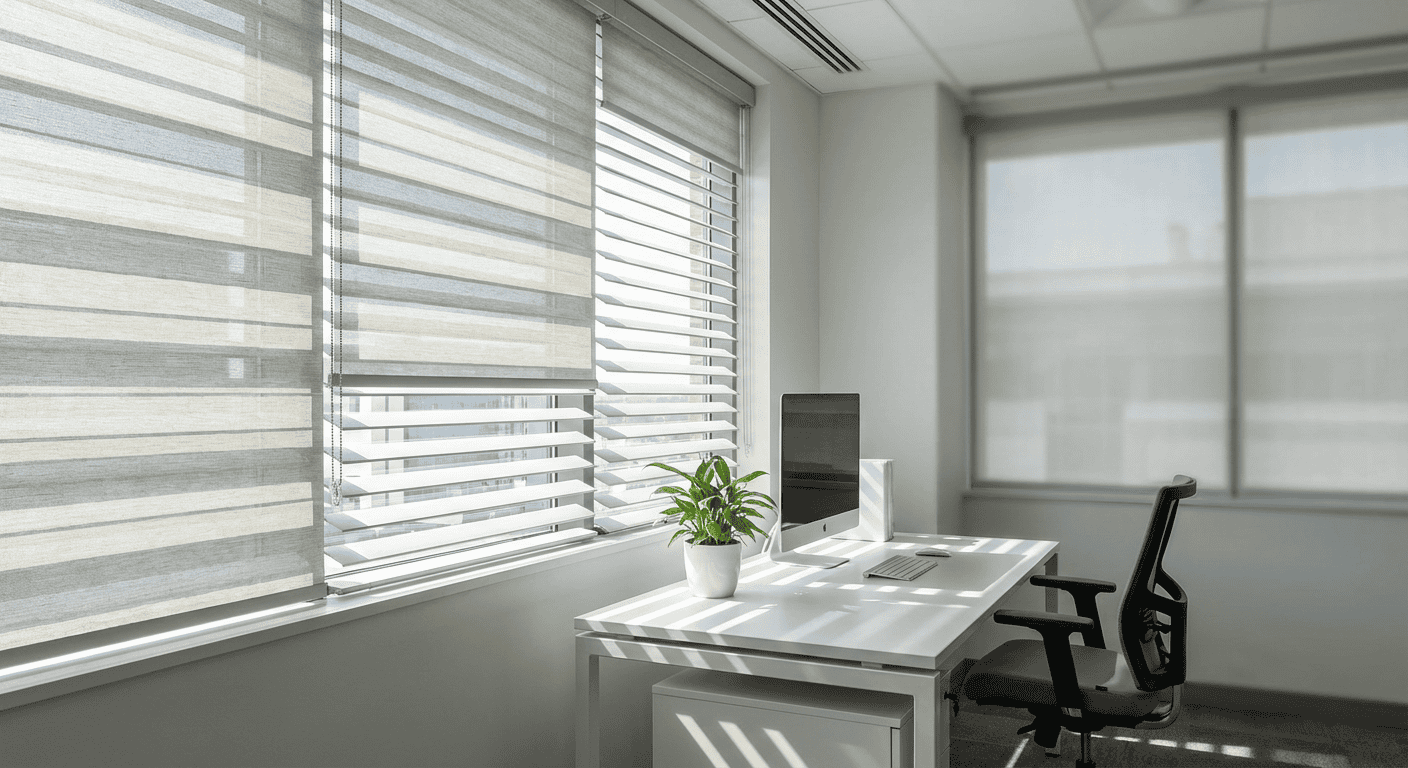
| Dual Sheer Shading | Modern luxury perception through diffused natural daylighting | Select for open-concept dining rooms and southern-facing main floor windows |
Thermal Efficiency and Style Considerations for Prairie Climates
Investing in custom window treatments protects indoor living spaces against Manitoba’s extreme seasonal shifts, where outdoor readings range from sub -20°C deep freezes to sweltering summer peaks above 30°C. Window glass represents a major source of thermal loss during prairie winters, which forces homeowners to weigh insulation ratings against visual goals, glare reduction, and room privacy.
Consider a common situation: a homeowner updating a central living room might favour the clean, slim lines of modern roller blinds, yet remain concerned that flat single-layer textiles will fail against January window drafts. Meanwhile, honeycomb shades provide proven draft resistance, but their horizontal pleats present a different visual texture than flat rollers.
Comparing Prairie Window Covering Options
| Treatment Type | Winter Insulation | Visual Profile | Recommended Use |
|---|---|---|---|
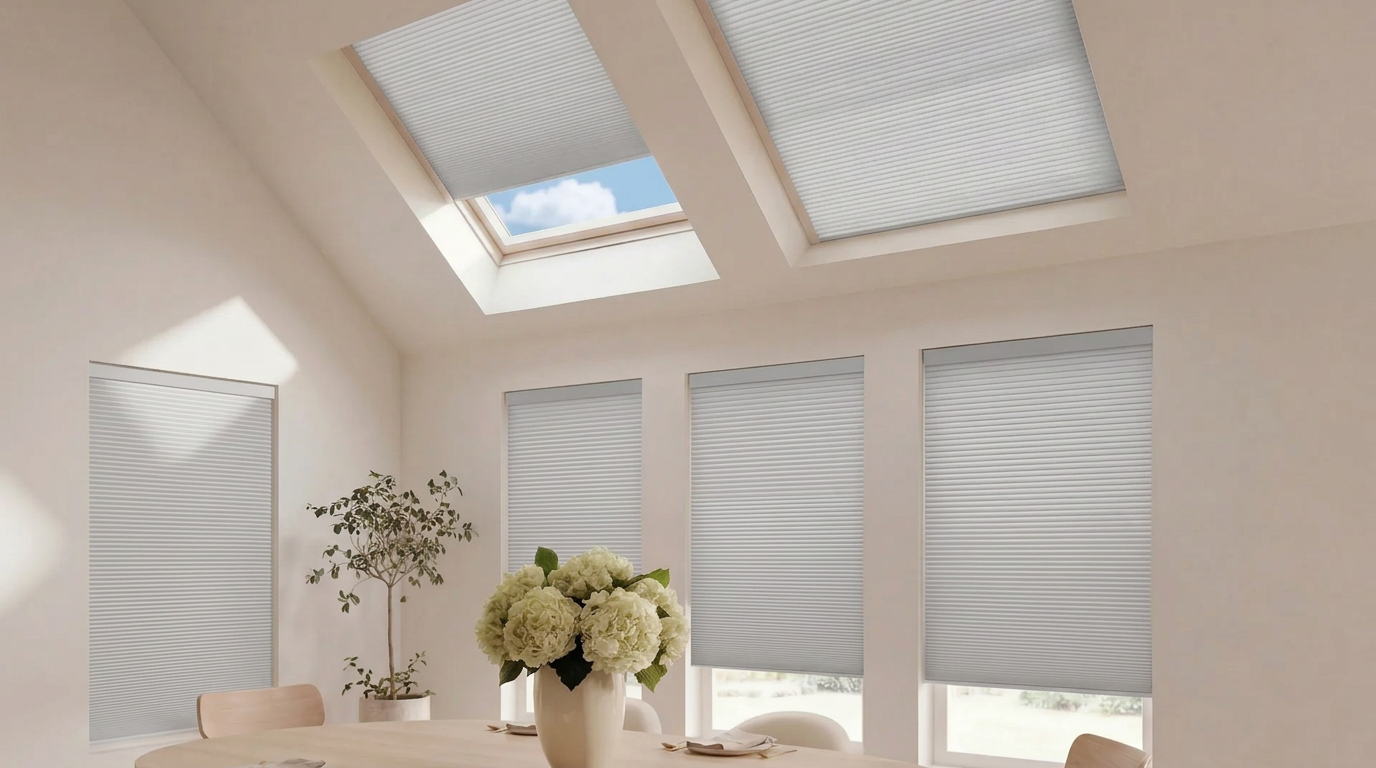
| Cellular Honeycomb Shades | High (Insulating air pockets) | Horizontal pleats | Drafty exposures and energy savings |
| Light-Filtering Roller Blinds | Moderate to low | Sleek, minimalist roll | Daytime glare control and modern interiors |
Advance Blinds recommends custom cellular shades whenever minimizing heating expenses and maximizing winter draft protection take precedence. Built-in hexagonal cells trap stagnant air right against the glass pane, establishing an insulated barrier that stops rapid heat transfer throughout extended cold snaps.
Custom Window Treatment Design Steps for Prairie Homes
Creating the right window build begins by assessing daylight control, privacy levels, and structural casing depth. Winnipeg homes encounter wide temperature fluctuations from sub-zero winters to humid summers, which makes pairing decorative textiles with insulating capabilities a practical necessity. South-facing panes demand denser light diffusion, while street-facing rooms need dual-layered privacy barriers.
The 5-Step Custom Design Process
- Scope and Budget Review: We analyze daily space usage, target budgets, and baseline aesthetic goals during your starting consultation to outline appropriate fabric categories.
- Precision Site Evaluation: Installers measure casement dimensions down to the millimeter, confirming clearance depths and trim squareness to eliminate side light gaps.
- Fabric and Opacity Selection: Compare room-darkening weaves against sheer textures, or choose Duolite® shades dual function designs that integrate daylight filtering with full blackout backing on a single roller.
- Operating Controls: Modern setups range from zero-cord manual spring rollers to smart home motors. Installing PowerView® Automation allows motorized blinds to follow automated sun schedules on high clerestory or hard-to-reach living room windows, while battery-powered SoftTouch® motorization delivers wand-controlled motor movement without complex hardwiring.
- Hardware Coordination: Finish the installation by matching bracket mounts, custom valances, and aluminum fascia finishes to existing interior trim and metal fixtures.
Professional Installation Standards for Custom Window Coverings
Precise mounting directly dictates how smoothly window coverings function and how long their internal assemblies endure daily use. Proper installation maintains clean sightlines across fabric folds and horizontal louvers, preventing premature wear along the edges of the casing. When brackets tilt by even a fraction of an inch, shade fabrics track unevenly onto their headrail rollers, creating visible fraying and unsightly light leakage along window frames.
Comparing Installation Approaches
Mounting methods carry distinct tradeoffs between direct labor expense, tools, and technical risk:
| Criteria | Professional Mounting Service | Homeowner DIY Mounting |
|---|---|---|
| Measurement Precision | Laser-calibrated dimensions recorded to the millimeter | Standard manual tape measure, vulnerable to casing variances |
| Tooling & Fasteners | Heavy-duty anchors matched to drywall, plaster, or solid wood headers | Household hand tools and standard plastic wall plugs |
| Warranty Protection | Preserves full manufacturer coverage against mechanical failure | Risk of voided warranties if brackets twist or puncture fabrics |
| Ideal Application | Bay windows, double-height foyers, and automated tracks | Basic lightweight shades on standard ground-floor rectangular windows |
Advanced PowerView® Automation systems demand calibrated electrical limit stops to ensure quiet, repeatable movement without straining drive motors. Similarly, battery-powered systems like SoftTouch® Motorization rely on balanced wand tension and exact bracket spacing to avoid binding inside the headrail. For heavier treatments, installing PowerView® motorized drapery hardware requires anchoring heavy-gauge tracks directly into wall studs so long fabric panels glide freely across wide patio openings.
Advance Blinds manages each phase of the installation workflow across Manitoba homes, starting with laser verification during the design visit and finishing with anchored bracket checks and motor programming. Our installers eliminate casing damage, secure structural anchors, and verify that every treatment raises, lowers, and tilts as intended.
Long-Term Care and Cleaning Practices for Manitoba Window Coverings
Consistent seasonal upkeep preserves the operation and appearance of home shading investments over decades. Investing in quality custom window treatments shields interiors from intense prairie sunlight, but dust accumulation, winter heating circulation, and kitchen residues require targeted maintenance routines to avoid fabric degradation or hardware strain.
Different textile weaves and rigid horizontal materials require distinct handling protocols to safeguard manufacturer warranties and structural integrity:
- Fabric Shades and Tailored Drapery: Run a low-suction canister vacuum across pleats using a clean upholstery brush attachment. Address localized spots by dabbing gently with lukewarm water and a drop of gentle liquid detergent rather than rubbing saturated fibers.
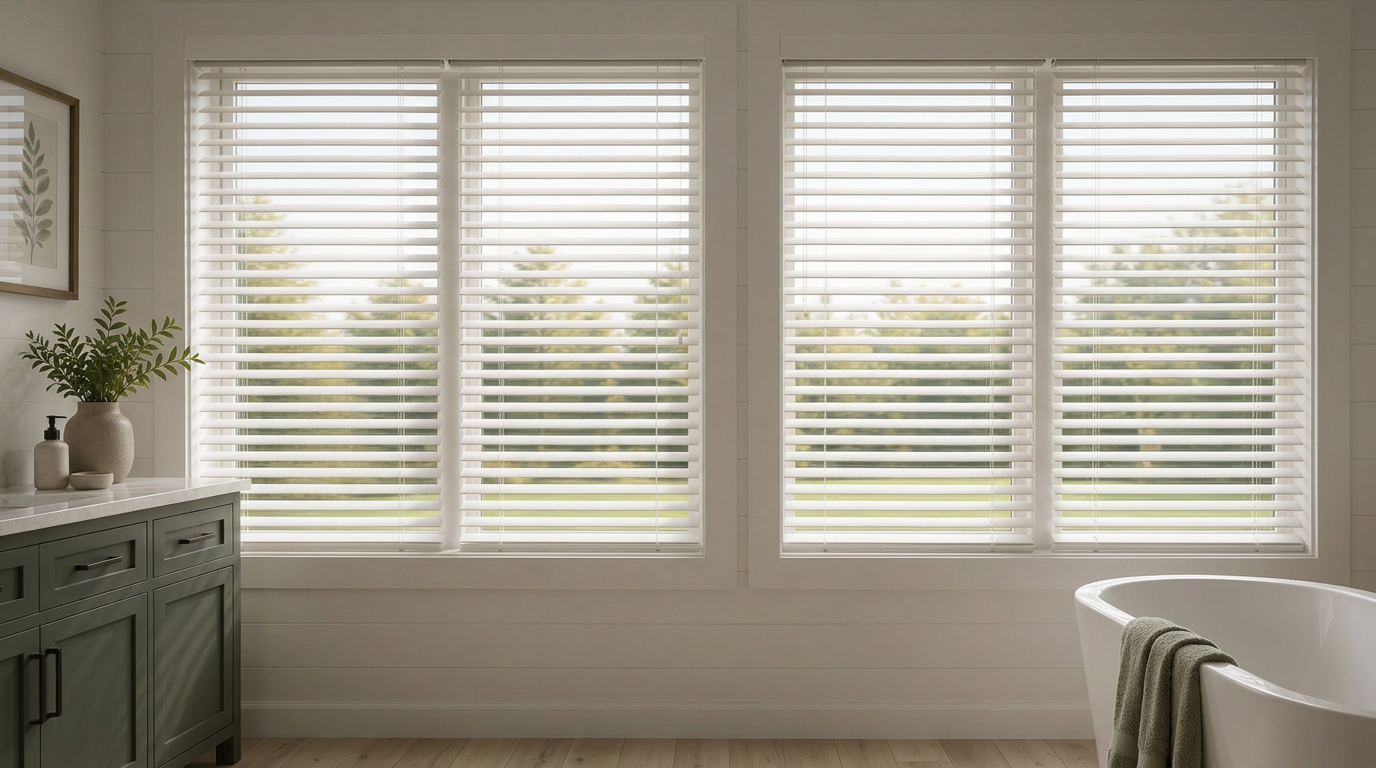
- Hardwood and Composite Blinds: Wipe each slat horizontally with an untreated microfiber cloth. Never soak natural lumber components, as moisture absorption causes structural swelling, grain warping, and finish separation.
- Extruded Aluminum and Vinyl Louvers: Lift grease films and dust using a soft sponge dipped in warm, mild soapy water, drying immediately with a lint-free towel.
- Cellular Honeycomb Shades: Dislodge debris trapped inside horizontal cells with a handheld duster or a hairdryer adjusted to a cold airflow setting, taking care not to crush delicate cell seams.
Modern window shade operating systems require careful attention around motor housings, wand connections, and electronic tracks. Advance Blinds recommends reviewing all product care tags prior to applying cleaning agents, ensuring zero moisture contacts internal electrical components or motorized gearing like PowerView® Automation brackets.
Cleaning Methods by Material Type
| Material Category | Recommended Maintenance | Preventative Care Guidelines |
|---|---|---|
| Fabric Shades and Drapery | Low-suction vacuuming with soft brush tool | Blot marks with mild soap; avoid solvent-based spot removers |
| Natural Wood and Faux Wood | Dry microfiber dusting or wood-safe emulsion | Prevent liquid saturation to stop slat distortion |
| Aluminum and Rigid Vinyl | Warm water with gentle dish soap | Rinse and dry promptly to eliminate kitchen grease |
| Insulating Cellular Honeycomb | Compressed air or cold-setting hairdryer | Apply light contact to maintain permanent pleat folds |
Ammonia sprays, bleach mixtures, and abrasive scrubbing pads strip protective topcoats and permanently discolor dyed textiles. Sticking to mild soaps, dry dusting tools, and non-abrasive wipes keeps lift cords tracking straight and textiles looking vibrant across Manitoba’s shifting seasons.
FAQ
To help you navigate custom window treatments costs and options for Manitoba homes, we have compiled quick answers to the most common questions about budgeting, cold-weather performance, and room-by-room selections. Review the table below to find the best solutions for your local climate and design needs.
| Question | Answer |
|---|---|
| How much should homeowners budget per window for custom coverings in Plum Coulee, Manitoba? | Homeowners in Plum Coulee, Manitoba typically spend between CAD 300 and CAD 1,500 per window, depending on the chosen material, dimensions, and operating mechanisms. Standard manual faux wood blinds or basic roller shades sit near the lower end of that range. Custom double-cell insulating shades, hardwood shutters, or automated motorized drapery account for the higher price tiers. |
| Which window treatment style handles winter draft prevention best for local homes? | Cellular honeycomb shades provide the highest thermal resistance for cold Prairie winters because their air pockets trap escaping indoor heat right at the glass. Layering these shades beneath floor-length, lined custom drapery creates a sealed thermal barrier that stops drafts along the casing edges. If your living room faces north or open fields, this layered combination offers the strongest protection against window heat loss. |
| Can motorized shades operate reliably during sub-zero Manitoba weather? | Yes, hardwired and lithium-ion rechargeable battery systems function without issue inside heated residential spaces throughout winter. Keeping window coverings closed overnight traps cold air against the pane, so pairing motors with programmable smart timers allows your shades to open automatically when morning sunlight can naturally warm the room. Low-voltage battery wands stay protected within the room-side headrail, preventing cold-induced power drains. |
| Should basement windows receive the same fabric options as main-floor rooms? | Basements in southern Manitoba often deal with higher humidity levels and shorter window wells, making faux wood blinds or moisture-resistant solar roller fabrics better selections than organic wood or untreated silks. These synthetic materials resist warping or mildew growth if condensation gathers on cold glass during temperature swings. If you use the basement as a bedroom or media space, choose an impenetrable blackout vinyl or synthetic cellular shade with side channels for total light control. |