
Finding the right large window treatment ideas for light control and privacy often comes down to choosing automated systems that effortlessly manage expansive glass panels without cumbersome manual cords. Upgrading to PowerView® Motorized Drapery allows you to schedule smooth, full-coverage movement that diffuses intense glare while shielding your home from outside view. Advance Blinds helps homeowners tailor these smart, heavy-duty treatments to match their interior architecture and everyday convenience needs.
Overview
Managing broad glass expanses involves balancing natural illumination against exterior sightlines and mechanical load limits. The following sections evaluate proven configurations, lifting technologies, thermal fabrics, and installation practices when reviewing large window treatment ideas for light control and privacy.
This resource also includes a labeled real-world hypothetical featuring a homeowner balancing tall glazing dimensions, pointing directly to practical selection criteria without generic claims. Readers can review each specific topic below to address specific architectural challenges.
- Style Options: Review structural profiles and fabrics in these large window styles for wide architectural openings.
- Motorized Operation: Discover how automated roller systems and motorized control options eliminate heavy manual cord strain.
- Balancing Visibility: Compare dual-opacity shades and sheer shadings to balance daytime light diffusion with nighttime seclusion.
- Thermal Efficiency: Examine how cellular honeycombs and insulated drapes deliver measurable window insulation performance across extreme seasons.
- Real-World Example: Read a labeled scenario demonstrating how layered drapery and roller shades solve a deep exposure problem through popular treatment combinations for expansive rooms.
- Installation Planning: Review critical drywall anchor requirements, bracket depth allowances, and accurate mounting bracket placement before purchasing hardware.
Design Profiles and Fabric Textures for Expansive Glass
Installing custom window treatments transforms vast glass surfaces that often comprise nearly one-third of an entire room’s vertical perimeter. The materials you select dictate daytime sightlines, shield interiors from street-level view after dusk, and soften harsh exterior glare across living areas.
We pair exact architectural proportions with effortless adjustments so every fixture aligns with your home’s structural framing. Balancing thermal barriers with slim profiles remains a priority across Manitoba homes, where exterior temperatures shift dramatically between seasons.
Selecting Fabric Opacity and Textures
Duolite shades provide layered control over natural daylight. Consider these primary design elements when evaluating materials for broad window spans:
- Weave density: Tightly woven textiles block direct solar rays to prevent interior sun bleaching while keeping interior activities private at night.
- Surface textures: Linen blends, woven woods, and structured fabrics introduce depth that softens industrial metal framing and tall drywall expanses.
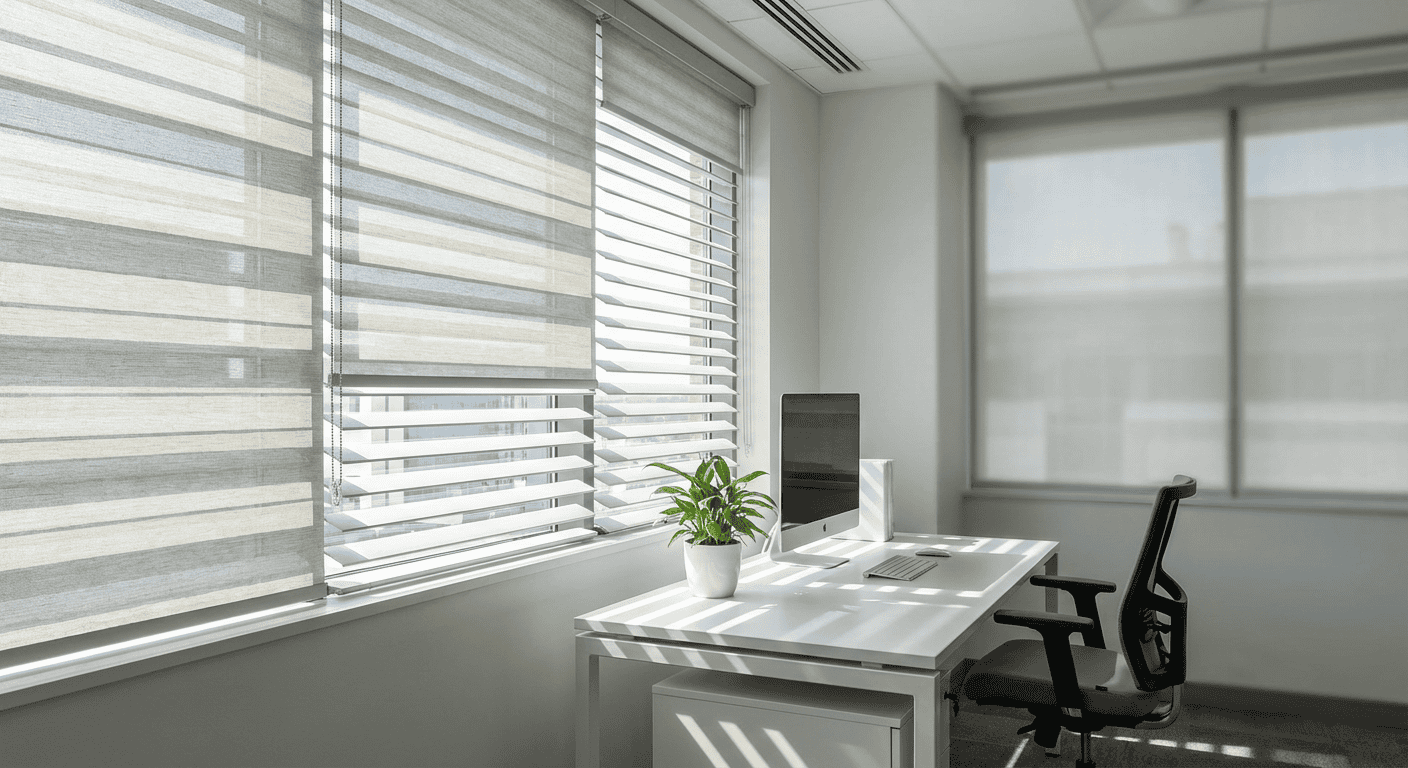
- Dual-opacity layouts: Pairing a light-filtering front panel with an opaque backing fabric lets you switch from diffuse morning daylight to complete evening seclusion.
Precision sizing ensures crisp contours across both heritage homes and contemporary open-concept builds. Booking professional custom measures guarantees that your shades hang plumb, eliminate side light gaps, and operate smoothly day after day.
Motorization Systems For Heavy Expanses
Tall glass expanses and wide sliding doors often present a mechanical challenge. Raising heavy fabrics by hand strains standard cord loops, which causes premature wear on hardware and demands physical effort that discourages daily operation.
| Operating Factor | Manual Pull Chains and Wands | Motorized Systems |
|---|---|---|
| Physical Strain | Requires continuous pulling force against heavy fabric weights. | Zero physical exertion; operates with a single button tap or schedule. |
| High Window Access | Impractical for windows above staircases, foyers, or behind furniture. | Operates effortlessly regardless of architectural height or obstacles. |
| Synchronized Alignment | Individual panels must be leveled by hand through trial and error. | Motors align multiple shade hems evenly across large window banks. |
Before scheduling installation, reviewing power choices clarifies your project requirements. Homeowners choose between internal rechargeable battery wands, hardwired low-voltage lines routed through framing, or solar chargers for motorized shades that sustain motor batteries on sun-facing exposures.
Balancing Glare Reduction and Seclusion Across Expansive Glass
Wide glass expanses create distinct mechanical challenges because continuous textiles add substantial tension across broad headrails. Selecting appropriate hardware ratings prevents sagging brackets and strained internal mechanisms over time. For homes featuring broad scenic vistas, Duolite shades pair two independent opacities into a single casing for daytime illumination and evening seclusion.
Consider a common situation: a homeowner furnishing a sunlit main floor in southern Manitoba. The household wanted to complement their architecture without sacrificing daily convenience, weighing sleek automated rollers against the tactile warmth of floor-length pleats. Manual operation across wide architectural spans often proves cumbersome, as heavy drapery panels resist smooth track movement and tall manual cords risk tangling.
For wide picture windows and multi-panel sliders, Advance Blinds recommends motorization over manual draw cords. Automated rollers roll neatly into an unobtrusive aluminum fascia, keeping the sightline completely clear when open while diffusing harsh reflection at midday with one remote tap. Homeowners seeking fabric texture alongside automated convenience can install PowerView® motorized drapery tracks, which guide substantial yardage across broad expanses without physical tugging. Pairing these automated assemblies with solar chargers for motorized shades maintains continuous battery performance on sun-facing exposures without visible power wires.
Thermal Efficiency And Seasonal Energy Savings
Unprotected expanses of glass allow rapid heat transfer, but fitting the correct window coverings can reduce thermal exchange. In regions like Winnipeg, Manitoba, extreme weather shifts between humid summer heat and sub-zero winter winds place heavy demands on home climate systems. Installing insulated window coverings can trap heated air indoors during winter and repel summer heat.
How Insulated Window Coverings Reduce Utility Costs
Steady interior temperatures reduce how often families adjust their thermostats, taking direct workload off residential furnaces and air conditioners. This continuous buffer lowers annual power expenses while extending mechanical equipment longevity.
- Solar Heat Rejection: Cellular structures and dense blackout drapery panels absorb or deflect incoming solar rays before heat penetrates living areas. Combining privacy fabrics with opaque liners, such as Duolite® shades, stops midday thermal spikes while preserving natural morning light.
- Automated Daylight Schedules: Integrating motorization enables coverings to raise and lower on set timetables. Scheduling automated movements proves especially valuable for east-facing glass exposed to early glare and west-facing panes that endure harsh afternoon sun.
- Edge Sealing Performance: Adding channeled side systems such as LightLock™ eliminates perimeter air gaps, preventing drafts from entering around the frame edges.
Advance Blinds fits custom insulating shades to exact glass dimensions, potentially optimizing climate control.
Top Covering Styles for Expansive Windows
Wide expanses of glass demand window coverings engineered to handle substantial fabric weight without compromising daily operation. Floor-to-ceiling glass walls and picture windows introduce distinct challenges with solar heat gain and street-level exposure. Advance Blinds builds custom solutions configured specifically for large spans, pairing durable textiles with mechanical systems that eliminate physical strain.
Integrating PowerView® motorized drapery hardware allows heavy, lined drapery panels to glide quietly along reinforced tracks at the touch of a button. For spaces requiring flexible illumination throughout the day, pairing custom draperies with Duolite® shades dual function systems combines a light-filtering front shade with an independent room-darkening back roller on a single headrail.
| Treatment Style | Performance Advantages | Optimal Control Method |
|---|---|---|
| Custom Drapery Panels | Adds layered fabric textures, traps thermal drafts, and increases perceived wall height across broad rooms. | Motorized traverse rods to manage substantial fabric yardage without tugging. |
| Wide-Width Roller Shades | Provides a clean, architectural profile that retracts into a compact cassette to preserve unobstructed outdoor vistas. | Automated wand or wireless wall switches that prevent chain tangles on tall spans. |
| Dual-Opacity Fabric Shades | Alternates between daytime glare reduction and evening seclusion using stacked sheer and opaque bands. | Programmable app schedules coordinated with seasonal sun exposure. |
Selecting clean profiles like wide-width roller shades from Alta Window Fashions gives expansive glass a tailored, modern appearance while preventing fabric sag over extended widths. These streamlined rolls tuck cleanly away during daylight hours, ensuring your architecture remains the central focal point.
Precision Sizing and Secure Mounting for Expansive Windows
A variation of an eighth of an inch across an expansive span produces side light leaks or causes fabric edges to bind against wood casings. Booking professional Custom Measures ensures headrails, motorized tracks, and roller tubes match the architectural casing with zero operational friction. Wide window openings require exact field checks for squareness, header deflection, and sill level before any fabrication starts.
Wide-span coverings carry substantial physical weight that quickly pulls standard drywall anchors out of studs. Through our complete services, Advance Blinds handles the entire scope from preliminary design review to final structural anchoring. High great-room glass walls and angled bay windows require laser-aligned mounting brackets, heavy-duty fasteners, and solid backing to support long-drop draperies and motorized roller tubes safely.
Preventing Long-Term Structural and Fabric Failures
Professional installation avoids expensive damage such as sagging headrails, premature motor strain, and chipped casing paint. Our installers verify that every large window treatment ideas for light control and privacy layout remains level under tension, preventing roller telescoping and fabric wrinkling.
- Weight Distribution: Reinforced mounting brackets spread load forces directly into structural wall framing rather than thin finish trim.
- Smooth Operation: Accurate track leveling eliminates fabric skewing and motor resistance on high-rise installations.
- Perimeter Sealing: Precise frame alignment eliminates light halos around blackouts while stopping edge fray.
Advance Blinds installs custom window coverings across Southern Manitoba, serving homes in Plum Coulee and neighbouring communities with precision fitting.
FAQ
To help you select the best large window treatment ideas for light control and and privacy, the following table addresses common questions about balancing daytime views, insulation, and layering on expansive glass.
| Question | Answer |
|---|---|
| Should homeowners choose motorized roller shades or custom drapery for expansive living room glass? | Motorized roller shades work best for modern spaces needing clean lines and simple glare reduction on high glass. Custom drapery provides superior thermal insulation against cold Manitoba winters and softens room acoustics across wide openings. If your priority is blocking nighttime views while cutting drafts in Plum Coulee, Manitoba, lined floor-to-ceiling drapery outperforms a single minimalist shade. |
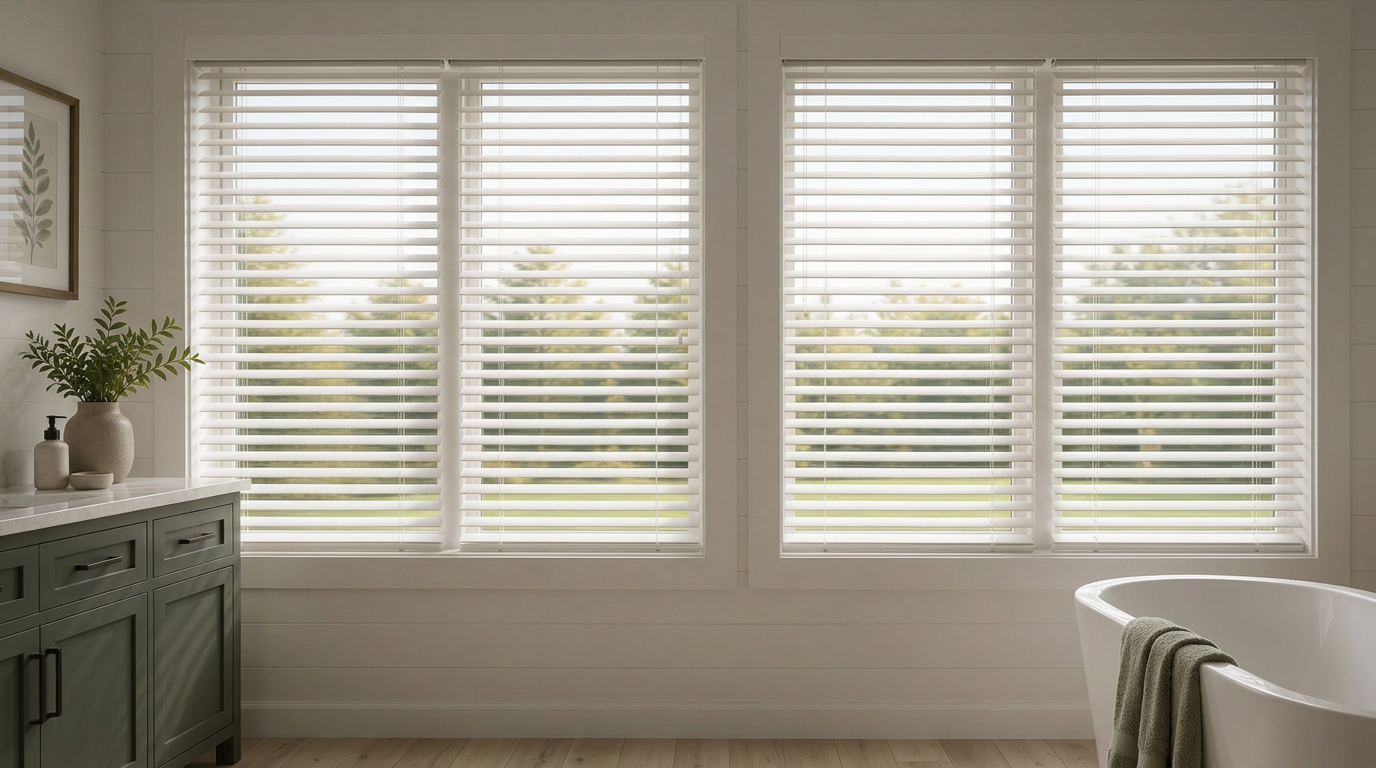
| How do dual shades compare to sheer vertical blinds for daytime privacy? | Dual roller shades use alternating bands of sheer and solid fabric to balance filtered sunlight with street-level privacy. Sheer vertical blinds wrap soft fabric vanes around rigid vertical louvers, making them easier to walk through on sliding patio doors. If you have active pets or children walking out to a patio, vertical vanes sway aside more safely than a lowered horizontal roller fabric. |
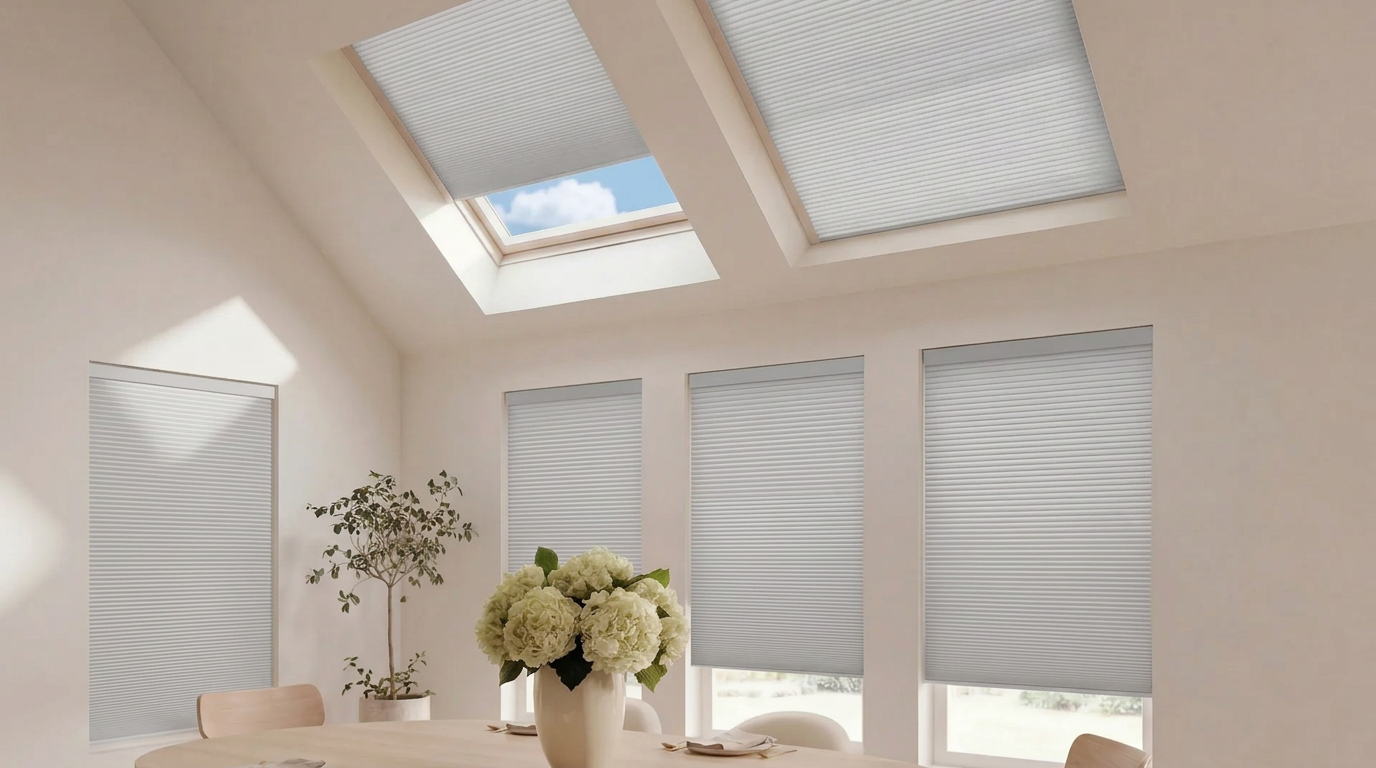
| Can cellular shades insulate wide picture windows without blocking daytime views? | Top-down, bottom-up cellular shades allow you to lower the top section for daylight while keeping the bottom covered for privacy. The honeycomb design traps air directly against the glass, lowering heating bills during frigid winter months in Plum Coulee, Manitoba. Fully raising the shade stacks the fabric tightly at the top to preserve clear outdoor views. |
| What mounting depth is required to layer blinds beneath curtains on oversized openings? | Layering sheer shades beneath side drapery panels typically requires at least 3.5 to 5 inches of window frame depth for inside mounts. When window casings are shallow, installers mount the shade inside the frame and place the drapery rod several inches above and outside the casing. This dual-mount layout prevents fabric friction and ensures both window coverings slide freely. |