
Answer
As detailed in the ultimate guide to motorized blinds and smart controls, automated window coverings modernize your living space by pairing whisper-quiet internal motors with intuitive mobile apps, handheld remotes, and voice-activated ecosystems. Exploring advanced PowerView® motorized drapery hardware allows homeowners to effortlessly schedule dynamic daylighting while maximizing privacy and interior climate management. The specialists at Advance Blinds help you tailor smart shading assemblies to your exact architecture, delivering effortless control throughout your home.
Overview
Modern automated window treatments simplify daily routines by balancing natural lighting, privacy, and indoor comfort. Readers evaluating the ultimate guide to motorized blinds and smart controls can review motor types, remote configurations, and network bridges to determine the best setup for their property layout. The sections ahead examine practical drive mechanisms alongside a labeled real-world hypothetical featuring a genderless homeowner making a structured design choice.
Homeowners often weigh questions like “Are rechargeable battery blinds worth it for tall windows?” or “How do smart shades connect to voice assistants?” to narrow their options before installation. The points below outline each topic covered across the remaining sections.
- Daily Benefits: Review how automated lift systems improve indoor comfort and child safety through convenient light control.
- Styles and Features: Compare roller, cellular, and layered shade designs to find matching window profiles.
- Operating Systems: Weigh manual cords against battery and hardwired motors to evaluate long-term reliability differences.
- Selection Process: Identify bracket depths, power sources, and fabric opacities to choose custom fit treatments.
- System Pairing: Connect bridge controllers with third-party mobile platforms to enable automated shade routines.
- Professional Installation: Measure complex window banks and order tailored treatments through custom fabrication planning.
Core Benefits of Motorized Window Coverings
Modern PowerView® Automation systems let homeowners adjust natural illumination and interior privacy instantly with handheld remotes, mobile devices, or programmed scenes. Whether managing a living room while lounging on the sofa or checking window status from across the globe, motorized assemblies provide immediate oversight of incoming sunlight across every room.
Eliminating exposed pull strings and plastic wands creates clean architectural lines while removing dangerous choking or strangulation hazards for growing families and domestic pets. In addition, large two-story foyer windows and vaulted skylights become effortless to manage rather than permanently neglected glass surfaces.
Winnipeg households frequently pair custom timers with solar chargers for motorized shades to balance seasonal heating and cooling demands. Scheduling shades to lower during peak midday sun prevents hardwood floors and fine upholstery from fading while reducing heat transfer during humid summers.
| Advantages | Considerations |
|---|---|
| Hands-free operation through remotes, schedules, or mobile applications | Higher initial investment compared to manual corded options |
| Cordless architecture safeguards children and household animals | Requires periodic battery recharging or pre-planned low-voltage wiring |
| Pinpoint vane positioning moderates glare and maintains insulation | Hardwired motor configurations require dedicated electrical access |
Automated Shade Profiles and Control Options
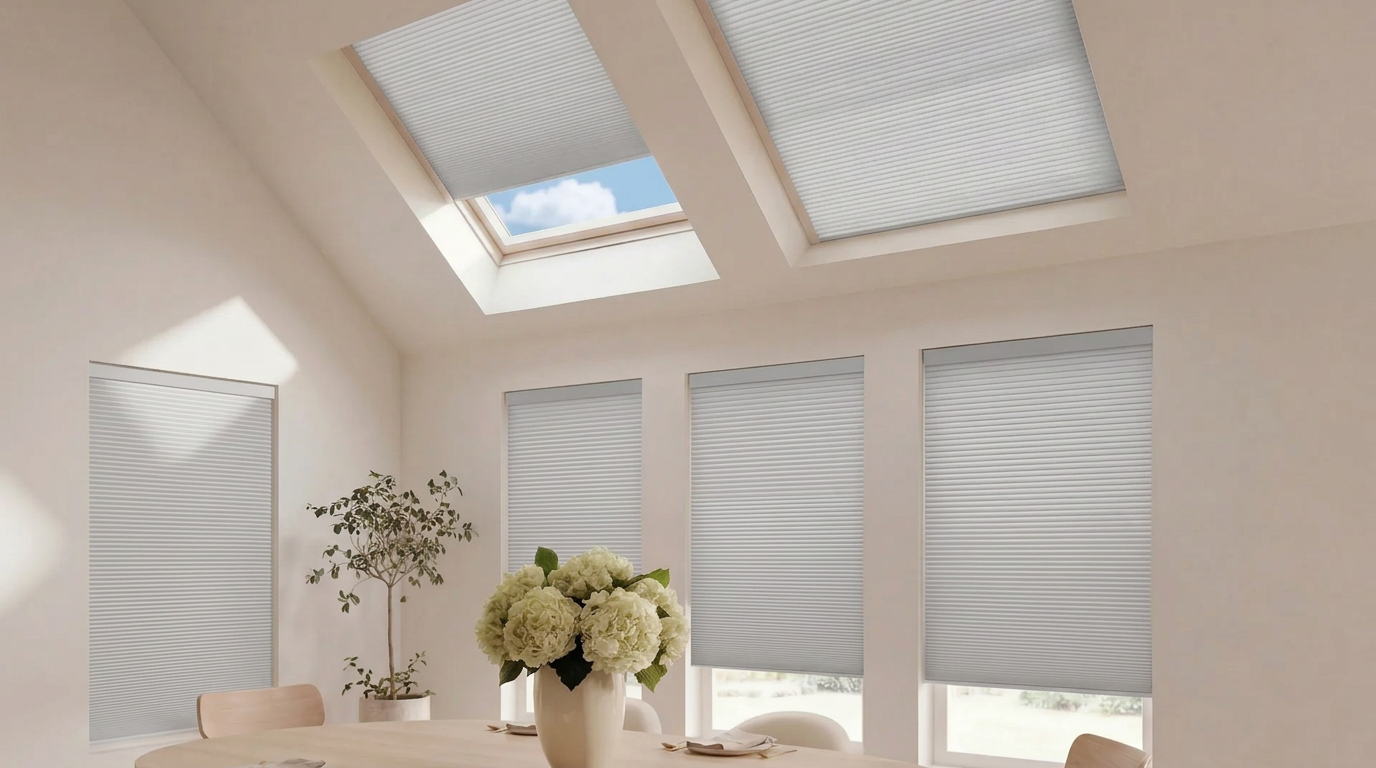
Advance Blinds pairs automated drives with four core shade profiles: roller, Roman, cellular, and pleated fabrics. Selecting the right profile depends on your window casing depth, privacy requirements, and thermal targets. Clean-lined roller screens present a flat silhouette that tucks away neatly, while tailored Roman treatments gather into structured textile segments suitable for traditional rooms. Cellular builds trap air within interior pockets to limit seasonal heat transfer, and pleated textiles distribute soft, diffused sunlight throughout open living spaces.
Hardware functionality matches diverse daily routines. Modern operating systems coordinate multi-channel wall keypads and wireless remotes to synchronize entire banks of shades simultaneously. For localized adjustment without mobile applications or home hubs, SoftTouch® motorization relies on an intuitive battery-driven wand that lifts or lowers the shade with a quick tug or push. When linked to smart networks, platform integrations automate tilt angles and lift heights around sun exposure schedules or simple voice prompts.
| Shade Profile | Core Performance Attributes | Recommended Window Applications |
|---|---|---|
| Roller Shades | Smooth single-panel textile, compact overhead roll, transparent to room-darkening opacities. | Large patio doors, modern kitchens, and sunrooms. |
| Roman Shades | Rich fabric folds, tactile texture, layered light control. | Formal dining rooms, primary bedrooms, and home libraries. |
| Cellular Shades | Honeycomb barrier architecture, superior insulation, slim mounting footprint. | Drafty windows, home offices, and climate-controlled bedrooms. |
| Pleated Shades | Crisp geometric folds, lightweight fabric stack, cost-effective glare reduction. | Guest rooms, breakfast nooks, and transitional spaces. |
Manual Window Shades Compared to Motorized Shading Power Systems
Evaluating standard manual blinds against modern automated coverings comes down to hands-on maintenance, operating cords, and home wiring infrastructure. While traditional manual treatments require continuous mechanical adjustments and dangling cords that present safety concerns, automated shades link directly to wall remotes or automation hubs for scheduled control.
Before mounting automated window treatments, property owners must determine whether rechargeable motors or hardwired electrical lines make sense for their layout. Consider a typical scenario: Brenda, a homeowner in Winnipeg, Manitoba, plans to streamline her morning routines by automating her main-floor windows. While studying options in the ultimate guide to motorized blinds and smart controls, she evaluates the labor required for battery wands versus running low-voltage wiring through her drywall.
Power Supply Options for Existing Structures
Advance Blinds evaluates shading hardware based on room structure and existing wiring:
- Rechargeable battery wands slip directly into the shade headrail, making them our top recommendation for existing residences across Manitoba. They install without drywall cuts, permit quick recharging via standard wall chargers, and provide flexible placement on high or recessed windows.
- Hardwired electrical connections link shades directly to a dedicated panel or transformer, creating a battery-free setup ideal for major remodels or new construction builds where framing remains exposed.
For finished homes where cutting into walls or hiring electricians adds unnecessary expense, battery-driven systems provide reliable automation with rapid installation.
Steps to Choose the Right Motorized Window Coverings
Setting up an automated shading setup requires matching your physical architecture with your daily lighting routines. At Advance Blinds, we guide homeowners across Manitoba through each phase of choosing, sizing, and powering automated window treatments so every installation delivers dependable everyday operation.
Step 1: Check Frame Proportions and Obstructions
Accurate measurements prevent motor binding and ensure clean movement inside the casing. Document the millimetre-precise depth, top-to-bottom height, and horizontal span across the casing. Note any protruding casement cranks, sliding door handles, or decorative molding that could snag falling fabric or restrict motor housing clearance.
Step 2: Determine Illumination and Privacy Priorities
Every living area experiences distinct solar exposure during the day:
- Sleeping quarters: Dense room-darkening fabrics combined with ultra-quiet drives prevent light leakage along side channels and preserve deep sleep cycles. Adding LightLock™ side-channel tracks blocks ambient perimeter glow completely.
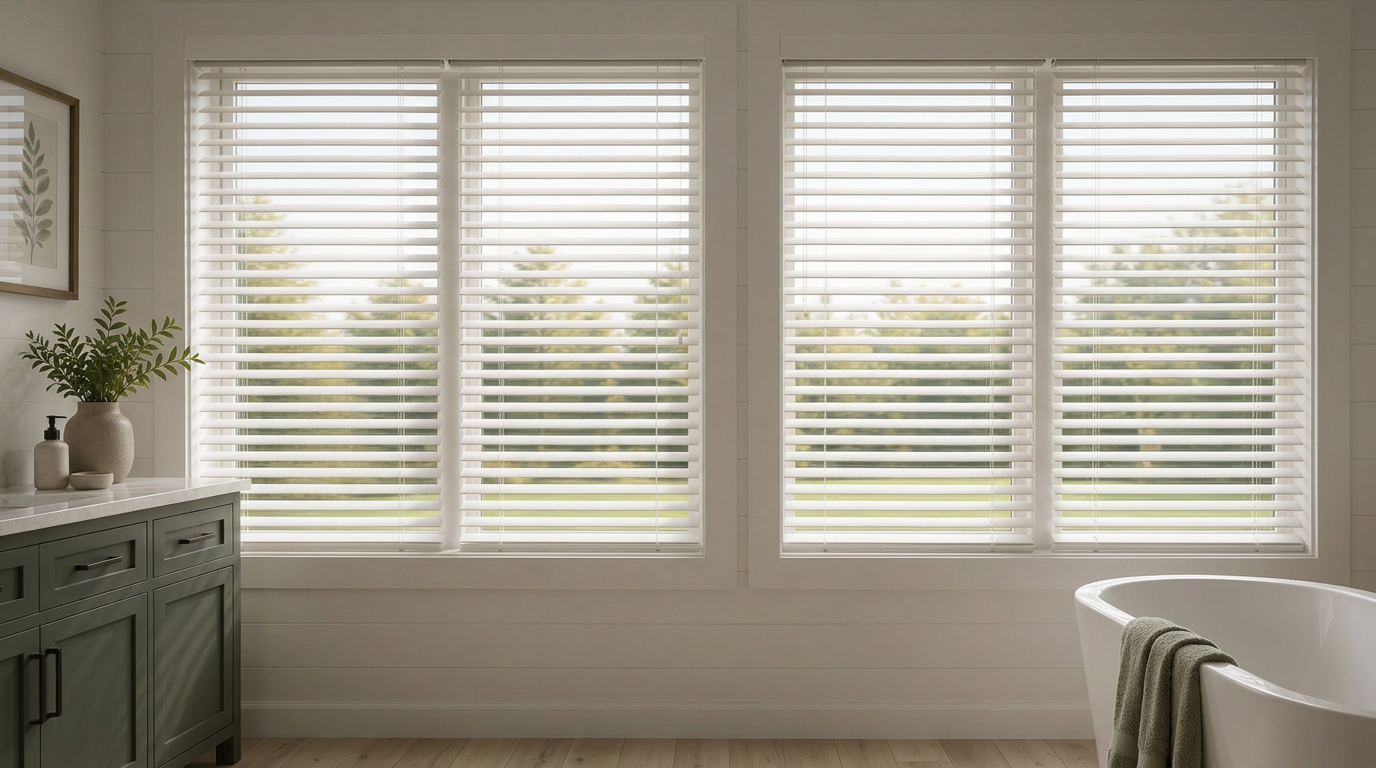
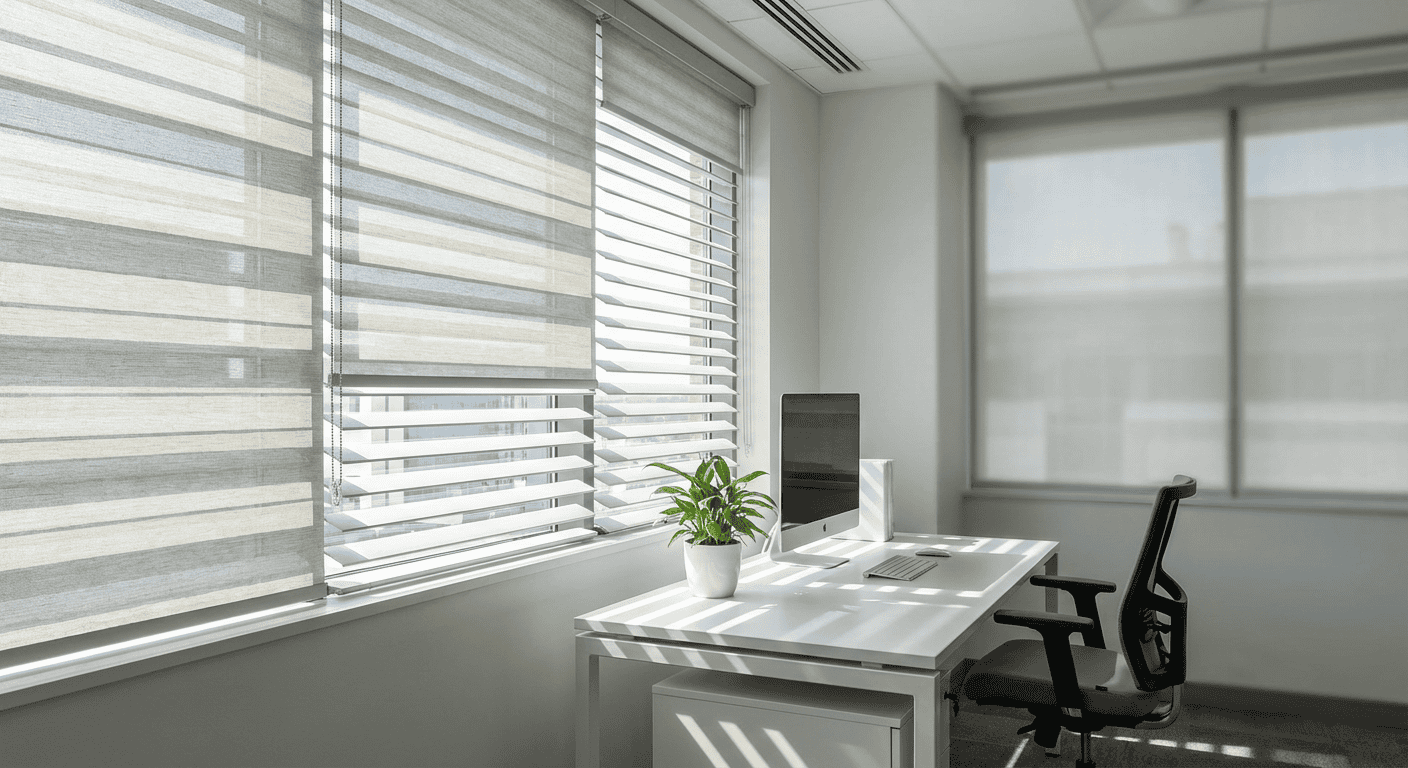
- Media and living areas: Glare-reducing solar screens preserve natural exterior sightlines while protecting upholstery from UV degradation. Selecting Duolite® shades gives you a translucent front panel with an independent rear opaque liner inside a single headrail for shifting daylight demands.
- Workspaces and kitchens: Moisture-resistant materials that adjust smoothly with voice triggers or automated midday schedules keep screens clear of harsh reflections.
Step 3: Pick Compatible Drive Systems and Energy Sources
Rechargeable battery wands eliminate the expense of tearing open drywall for low-voltage wiring, providing convenient hidden power that recharges via magnetic cables. For retrofit spaces without accessible wall outlets, discrete battery wands offer clean installations. Newly constructed spaces or major renovations benefit from dedicated low-voltage wiring routed straight to a central panel, eliminating manual battery upkeep entirely.
Step 4: Establish Control Preferences
Automated treatments function through handheld multi-channel remotes, discrete wall switches, or network gateways. Systems powered by PowerView® Automation synchronize window shades directly with sunrise and sunset times, moving your window treatments automatically according to changing outdoor exposure.
Connecting Motorized Window Treatments to Home Automation Networks
Syncing smart shades with your network consolidates daylight levels, glare reduction, and privacy management into unified touchscreens or smartphones. Instead of operating window coverings through isolated remote wands, homeowners can coordinate shade positions directly alongside connected thermostats, ambient lighting, and surveillance equipment. These setups use dependable wireless communication standards that configure in minutes and maintain responsive connections across multiple rooms.
Integrating shades with a smart home hub unlocks hands-free spoken operation and automated environmental triggers. Advance Blinds outfits homeowners throughout Manitoba with motor configurations tailored specifically to their existing digital networks, eliminating compatibility issues down the line.
Supported Automation Platforms
Connecting your window coverings to widely supported platforms ensures straightforward daily operation and simple expansions as you add new devices:
- Apple HomeKit®: Delivers encrypted Siri® voice commands and device management across iPhones, iPads, and Apple HomePod® speakers.
- Amazon Alexa®: Links through manufacturer bridges to trigger custom voice phrases, such as instructing the system to close shades across an entire floor at once.
- Google Home™ / Google Assistant™: Pairs directly with Google Nest™ speakers and smart displays to execute scheduled morning scenes and bedtime routines.
Automated position schedules respond to clock times, local dawn, or sunset to help regulate indoor temperatures. For example, programming south-facing coverings to lower during intense Winnipeg summer afternoons blocks intense radiant heat and significantly reduces power draw on home air conditioning units.
Custom Motorized Solutions for Every Window
Tailoring automated shades begins by aligning the physical hardware and fabric choices with the illumination and privacy targets of individual rooms. Through direct consultations, Advance Blinds: Blinds, Shades & Drapery In Manitoba measures every opening to precise fractions of an inch, ensuring that uniquely shaped or tall architectural installations operate with balanced alignment.
PowerView® Motorized Drapery systems allow homeowners to manage expansive, tall glass panels effortlessly through remotes or automated schedules. Timed shade sequences run automatically through the day, tempering solar heat intake during peak afternoon exposure while curbing seasonal HVAC running costs.
For households with active children and pets, SoftTouch® Motorization removes dangling strings by substituting an intuitive, wand-activated lift system right at the window casing. Modern cordless builds incorporate rechargeable power wands hidden out of sight behind the headrail, keeping window trims uncluttered while facilitating straightforward recharging without specialized electrical trades.
| Household Requirement | Motorized Option | Performance Benefit |
|---|---|---|
| Tall and expansive window panes | PowerView® motorized drapery tracks | Push-button traversal across elevated glass without manual reach |
| Child and pet living areas | Cordless SoftTouch® wand hardware | Elimination of hanging operating cords to prevent entanglement risks |
| Thermal stability and solar control | Automated timer profiles | Pre-set positioning that reduces intense solar heat intake |
| Unified whole-home automation | Hub-linked operating systems | Direct app coordination and voice assistant control |
| Clean wall profiles | Concealed rechargeable wands | Wire-free power storage that simplifies routine battery maintenance |
FAQ
To help you navigate automated window treatments and home integration, the ultimate guide to motorized blinds and smart controls concludes with answers to common local and technical questions below.
| Question | Answer |
|---|---|
| Should Plum Coulee homeowners choose rechargeable battery motors or low-voltage hardwired lines? | Retrofit installations across Plum Coulee, Manitoba work best with rechargeable lithium-ion battery motors because they mount directly into window frames without drywall cutting or electrical permits. If you are building a new house or gutting rooms down to the studs, running low-voltage wiring provides maintenance-free power that never requires recharging. |
| How do cold winter drafts affect motorized shade performance in southern Manitoba? | Cold window glass can slow down chemical reactions in lithium batteries, causing battery-powered shades on leaky windows to require charging every four to six months instead of once a year. Selecting cellular honeycomb fabrics creates a thermal barrier that protects indoor temperatures while keeping the motor housing closer to ambient room heat. |
| Which smart hub protocol is best for syncing window treatments with voice assistants? | Modern motor lines utilize Zigbee or Thread protocols through dedicated manufacturer bridges to communicate reliably with Apple HomeKit, Amazon Alexa, and Google Home. If your home network experiences dead spots across larger floor plans in Plum Coulee, Manitoba, a mesh-based smart bridge ensures shades respond simultaneously without Wi-Fi dropouts. |
| Can motorized roller shades be operated manually if the power goes out? | Standard motorized roller and solar shades lack manual pull chains, meaning they remain in their last set position during an electrical outage. Battery-powered units continue operating normally from their internal charge and handheld remotes, while hardwired setups without backup generators remain stationary until power returns to the home. |