![Custom window blinds and drapery solutions at Advance Blinds & Drapery, serving [Your Location], offering stylish, functional window coverings, professional installation, and expert consultation.](https://advanceblindsanddrapery.com/wp-content/uploads/2025/09/Advance-Blinds-Drapery-Logo.png)

Smart vs Manual Blinds: An Overview
When considering window treatments for your home, the choice between smart vs manual blinds is a significant decision. Smart blinds offer modern convenience and automation, integrating with smart home systems for effortless control. Manual blinds, on the other hand, provide a more traditional and straightforward approach to light and privacy management.
Understanding the fundamental differences between these two types of blinds is crucial for making an informed choice that aligns with your lifestyle and budget. While both serve the primary function of covering windows, their operational mechanisms, features, and cost implications vary widely. For specific window types, such as French doors, you can find helpful advice in our French door blinds guide for more.
This overview will set the stage for a deeper comparison, exploring the unique aspects of each option to help you determine which window treatment solution is best suited for your residential or commercial space.
The Core Differences: Smart Vs Manual Blinds
When considering smart vs manual blinds, the primary distinctions lie in their operation, technology, and overall user experience. Smart blinds integrate with modern technology, offering automated control and advanced features, while manual blinds provide a straightforward, hands-on approach to window covering. For instance, smart blinds can be programmed to open and close at specific times or respond to voice commands, offering a level of convenience that manual blinds cannot match; you can learn more about these advanced systems by exploring smart operating systems for more.
The choice between these two types of window treatments often comes down to balancing convenience with simplicity. Understanding their core differences can help you determine which option best suits your home and lifestyle needs.
Operational Mechanics
The way you interact with your blinds is the most immediate difference between smart vs manual blinds. Manual blinds rely on traditional mechanisms, such as cords, wands, or springs, requiring physical interaction to adjust them.
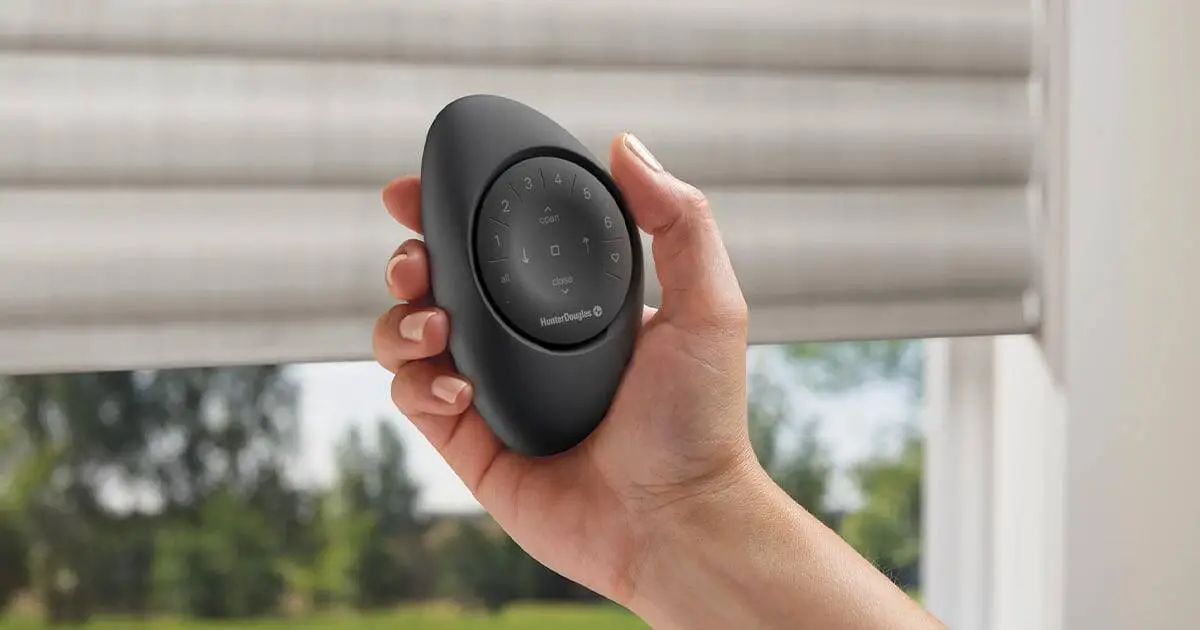
Smart blinds, on the other hand, are motorized and can be controlled remotely. This control can be via a smartphone app, a dedicated remote control, voice commands through smart home assistants, or even pre-programmed schedules. For more on this, explore the diverse roller shade use cases for your home.
Technological Integration
Smart blinds are designed to be part of a connected home ecosystem. They often feature sensors that can react to light levels, temperature, or even occupancy, automatically adjusting to optimize comfort and energy efficiency. This level of automation is absent in manual blinds, which operate independently without any external technological input.
The integration capabilities of smart blinds allow them to sync with other smart devices, creating a cohesive and automated living space. For a deeper understanding of different window treatments, consider reading our comparison of blinds versus shutters for more.
User Experience and Convenience
The convenience factor is where smart blinds truly shine, offering effortless control and automation that manual blinds cannot match. For those seeking advanced features and seamless integration into a smart home, exploring options like PowerView® Automation can provide a glimpse into the future of window treatments.
Enhanced Convenience and Control
Smart blinds offer a host of advantages that go beyond simple window coverings, enhancing daily living through advanced technology. These innovative solutions provide unparalleled convenience, contribute to energy efficiency, and bolster home security. Understanding these benefits is crucial when evaluating smart vs manual blinds for your home. For instance, explore the benefits of PowerView® Automation for effortless control, and learn more about cellular shades cost to understand the investment value.
One of the primary benefits of smart blinds is the significant increase in convenience they provide. You can control them effortlessly from anywhere, whether you’re at home or away, using a smartphone app, remote control, or even voice commands.
- Remote Operation: Adjust your window coverings without physically touching them, ideal for hard-to-reach windows or when you’re relaxing.
- Scheduled Automation: Program your smart blinds to open and close at specific times of the day, aligning with your daily routine or sunrise/sunset patterns.
- Voice Control Integration: Connect with popular smart home systems like Amazon Alexa or Google Assistant for hands-free adjustments.
Improved Energy Efficiency
Smart blinds can significantly contribute to energy efficiency by automatically adjusting to optimize natural light and insulation. This helps maintain a comfortable indoor temperature, reducing the need for excessive heating or cooling. For example, understanding how to sync smart shades can further enhance this benefit by coordinating their operation with other smart home devices.
Smart blinds play a crucial role in optimizing your home’s energy consumption, leading to potential savings on utility bills. Their ability to respond to environmental changes helps maintain a comfortable indoor temperature. For more information on how blinds can help save on heating and cooling costs, check out our guide to energy efficient blinds for more.
- Temperature Regulation: Automatically close during peak sunlight hours to block heat gain in summer, and open during colder months to allow natural light and warmth.
- UV Protection: Protect furniture, flooring, and artwork from fading by automatically adjusting to block harmful UV rays.
- Reduced HVAC Usage: By passively regulating indoor temperature, smart vs manual blinds can lessen the workload on your heating and cooling systems.
Enhanced Security and Privacy
Beyond convenience and energy savings, smart blinds contribute significantly to your home’s security and privacy. Their automated functions can deter potential intruders and offer peace of mind. For example, you can learn more about how these features contribute to energy efficiency by reading about energy efficient blinds for more.
- Presence Simulation: Program blinds to open and close while you’re away, giving the impression that someone is home, which can deter burglars.
- Instant Privacy: Close all blinds instantly with a single command when you desire privacy, whether it’s for an evening or an unexpected visitor.
- Integration with Security Systems: Some smart blind systems can be linked with other home security devices for a comprehensive safety solution.
Advantages of Manual Blinds
While smart blinds offer advanced features, traditional manual blinds still hold significant appeal for many homeowners. They provide a straightforward, dependable solution for light control and privacy without the complexities of technology. When considering smart vs manual blinds, the latter offers unique benefits that align with different priorities and budgets.
Manual blinds are known for their inherent simplicity and reliability. Without motors, batteries, or intricate wiring, there are fewer components that can malfunction. This makes them a durable and low-maintenance option for any home, and you can learn more about their benefits in our guide to cordless blind maintenance for more.
- Cost-Effectiveness. Manual blinds are typically more affordable upfront compared to their smart counterparts. This makes them an excellent choice for budget-conscious individuals or for outfitting multiple windows without a significant investment.
- Ease of Installation. Generally, manual blinds are simpler to install, often requiring basic tools and less specialized knowledge. This can save on installation costs and time.
- Reliability and Durability. Free from electronic components, manual blinds are less prone to technical issues. They operate consistently, offering long-term reliability and peace of mind.
- No Power Requirements. Manual blinds do not require electricity, batteries, or Wi-Fi connectivity. This eliminates the need for charging, battery replacements, or concerns about power outages affecting their operation.
- Timeless Aesthetic. Many prefer the classic look and tactile experience of operating manual blinds. They offer a traditional charm that complements various interior designs, maintaining a sense of conventional elegance.
- Effortless Operation. While not automated, modern manual blinds are designed for smooth and easy operation. Cords, wands, or cordless mechanisms allow for precise light and privacy adjustments with minimal effort. For more on cordless options, explore our guide to cordless blind safety for more.
For those who value simplicity, affordability, and a maintenance-free window treatment, manual blinds present a compelling alternative to smart vs manual blinds. They offer effective light management and privacy without the need for technological integration.
Comparing Costs: Smart Vs Manual Blinds
When considering smart vs manual blinds for your home, the financial investment is often a primary factor. While manual blinds typically have a lower upfront cost, smart blinds involve advanced technology that influences their initial price point.
It’s important to look beyond just the purchase price and consider the long-term value, potential energy savings, and the convenience that each type offers. For instance, understanding the cellular shades cost can help you budget effectively.
Smart blinds can sometimes lead to reduced energy bills due to automated light and temperature regulation, which can offset their higher initial expense over time. Manual blinds, conversely, require no electricity or batteries, keeping operational costs at zero.
The total cost of ownership for smart vs manual blinds encompasses not only the purchase and installation but also ongoing maintenance and potential benefits like energy efficiency. For many homeowners, the convenience and modern appeal of smart blinds justify the higher investment. If energy savings are a top priority, explore our guide to energy efficient blinds to understand your options.
Who is the Right Choice For? Smart Vs Manual Blinds
Deciding between smart vs manual blinds depends heavily on your lifestyle, priorities, and budget. Both options offer distinct advantages, making the “best” choice truly personal.
After installing hundreds of smart and manual blind systems, our team has found that homeowners prioritizing ease of use and modern technology often lean towards smart options. Those on a tighter budget or preferring simplicity and direct control typically choose manual blinds. Understanding your daily routine and long-term goals for your home will guide your decision, especially when considering custom window treatments for more.
For individuals seeking maximum convenience and integration with smart home systems, smart blinds are an ideal solution. They are particularly beneficial for homes with many windows, hard-to-reach windows, or for those who desire automated light control throughout the day.
Conversely, manual blinds remain an excellent choice for individuals who value straightforward operation and cost-effectiveness. They are perfect for areas where frequent adjustments are not necessary, or for those who prefer a more traditional aesthetic without the need for technology.
Installation and Maintenance Considerations
When choosing between smart vs manual blinds, understanding the installation process and ongoing maintenance requirements is crucial. Both types have distinct considerations that can influence your decision and long-term satisfaction. For instance, understanding the specific needs of French door blinds can impact installation complexity.
Manual blinds typically involve a simpler installation, often requiring basic tools and minimal wiring, if any. Smart blinds, however, usually need more complex setup, including power sources (batteries or hardwiring) and integration with smart home systems.
Maintenance also differs significantly between smart vs manual blinds. Manual options generally require less attention, focusing on occasional cleaning and minor repairs to cords or slats. Smart blinds, conversely, may need battery replacements, software updates, and troubleshooting for connectivity issues, which you can learn more about in our smart shade comparison for more.
- Assess Power Requirements: For smart blinds, determine if your windows have accessible power outlets or if hardwiring is feasible. Manual blinds do not have this requirement.
- Evaluate Smart Home Compatibility: If opting for smart blinds, ensure they integrate seamlessly with your existing smart home ecosystem (e.g., Google Home, Amazon Alexa, Apple HomeKit).
- Consider Professional Installation: While manual blinds can often be a DIY project, professional installation is often recommended for smart blinds due to their electrical components and system integration.
- Understand Ongoing Maintenance: Factor in the recurring tasks for smart blinds, such as charging or replacing batteries, and updating software. Manual blinds primarily need dusting and occasional cleaning.
- Plan for Troubleshooting: Smart blinds might require more technical troubleshooting for connectivity or automation issues, whereas manual blinds usually only need physical repairs.
Making Your Final Decision
When weighing smart vs manual blinds, your final decision should align with your specific lifestyle, budget, and desired level of convenience. It’s essential to consider how each option contributes to your daily routine and long-term home goals. For example, exploring the benefits of PowerView® Automation can help you understand the advanced features available.
Think about the practical implications for each room. High-traffic areas might benefit from the durability of manual blinds, while hard-to-reach windows could be ideal for smart solutions.
To help solidify your choice, consider these key factors:
- Budget: Smart blinds typically involve a higher initial investment due to technology and installation costs. Manual blinds are generally more budget-friendly upfront.
- Convenience: If automation, scheduling, and remote control are high priorities, smart blinds offer unmatched convenience. Manual blinds require physical interaction to adjust.
- Maintenance: Smart blinds may involve battery replacements or software updates, while manual blinds generally require less technical upkeep. Both types benefit from regular cleaning.
- Safety: For homes with children or pets, cordless or motorized smart blinds can eliminate dangling cords, enhancing safety.
- Integration: If you have a smart home ecosystem, smart blinds can seamlessly integrate, offering centralized control with other devices.
Ultimately, the choice between smart vs manual blinds comes down to personal preference and how you envision your home operating. Evaluate what features are most valuable to you and which option best supports your everyday needs.
Your Smart Vs Manual Blinds Journey
For homes with children or pets, cordless or motorized smart blinds can eliminate dangling cords, enhancing safety. Learn more about cordless blinds safety for your peace of mind.
Deciding between smart vs manual blinds ultimately comes down to your personal priorities, lifestyle, and budget. Smart blinds offer unparalleled convenience, energy efficiency, and modern integration with smart home systems, appealing to those who value automation and cutting-edge technology.
Conversely, manual blinds provide a straightforward, reliable, and cost-effective solution. They are ideal for homeowners seeking simplicity and traditional control over their window coverings.
No matter your preference, both options deliver effective light control, privacy, and aesthetic enhancement for your home. Consider the long-term benefits and how each type aligns with your daily routine and future needs.
If you’re still weighing your options or need expert guidance tailored to your specific situation, our team is ready to assist. We can help you explore the best smart vs manual blinds solutions to perfectly fit your windows and lifestyle, and you can learn more about the benefits of a window treatment consultation to make an informed decision.