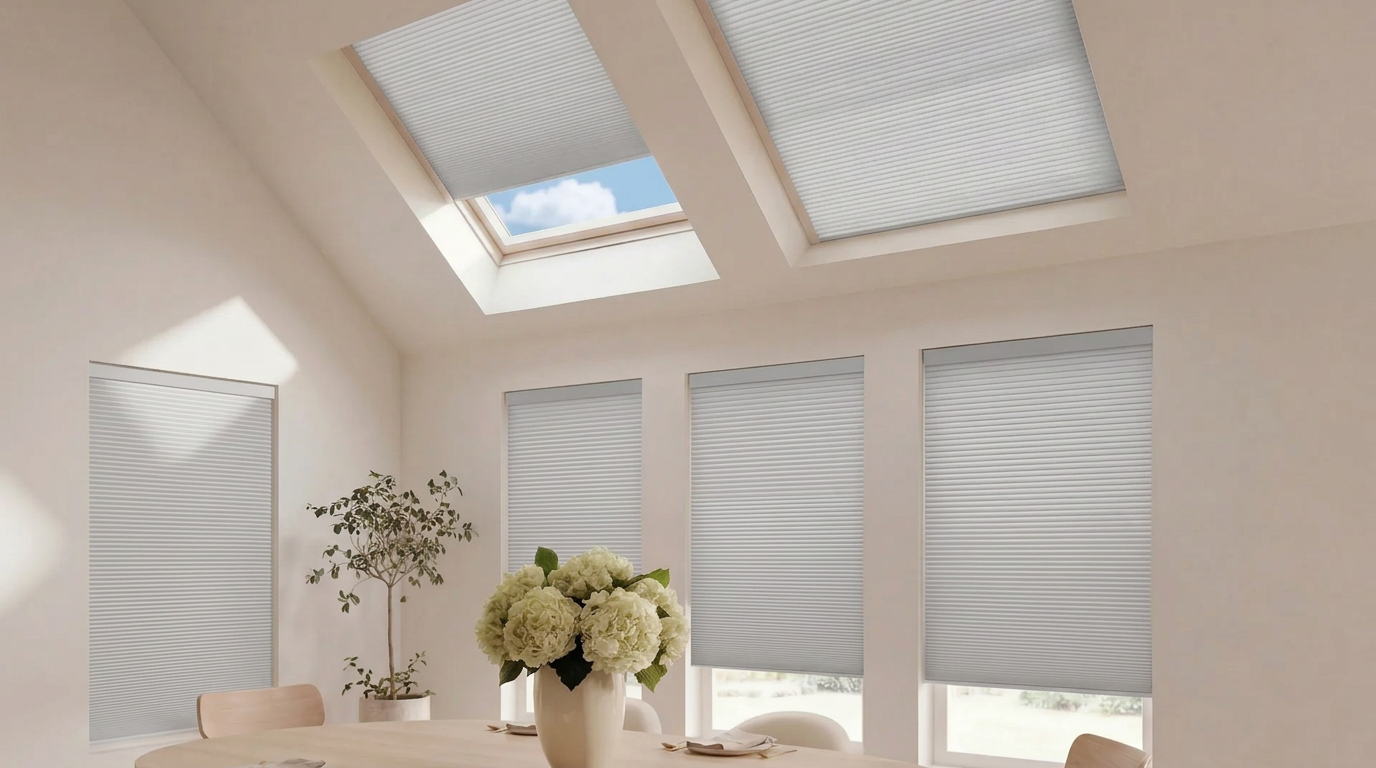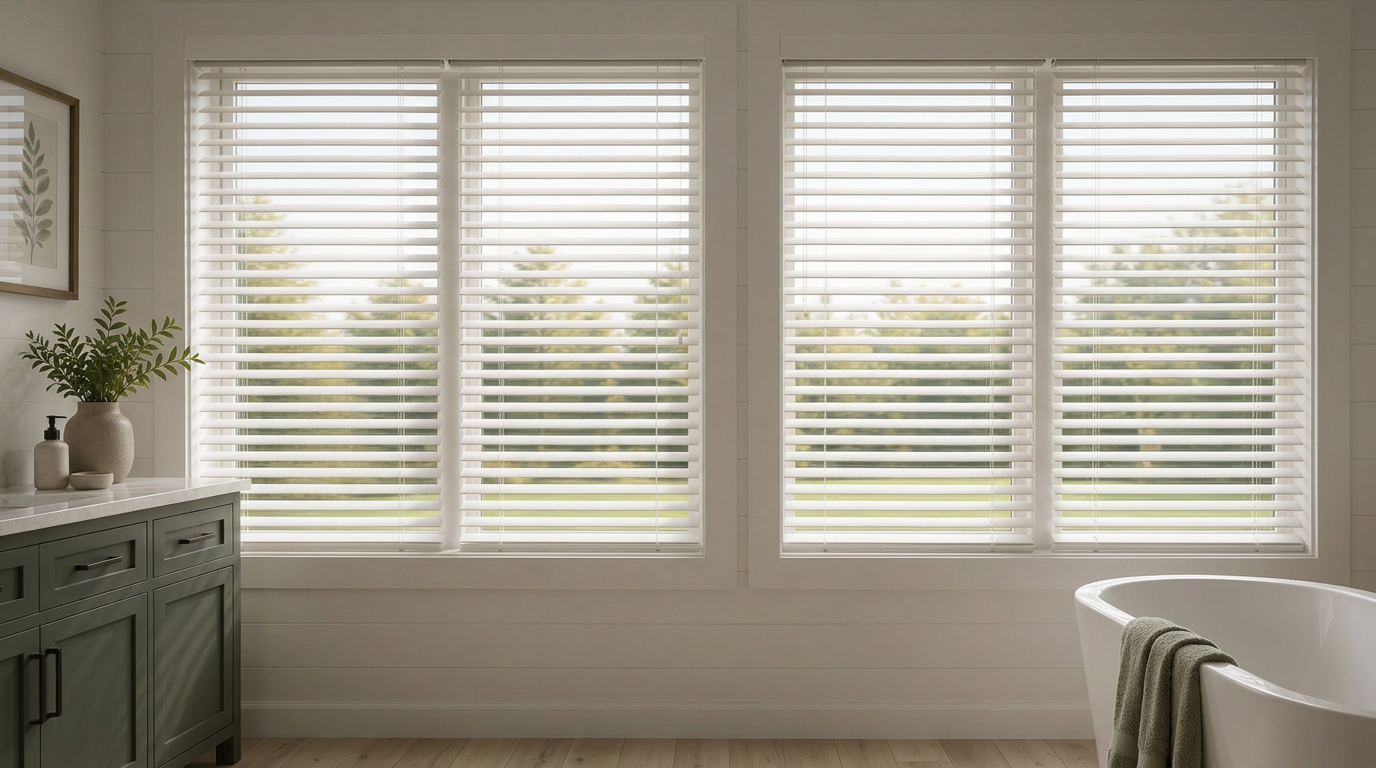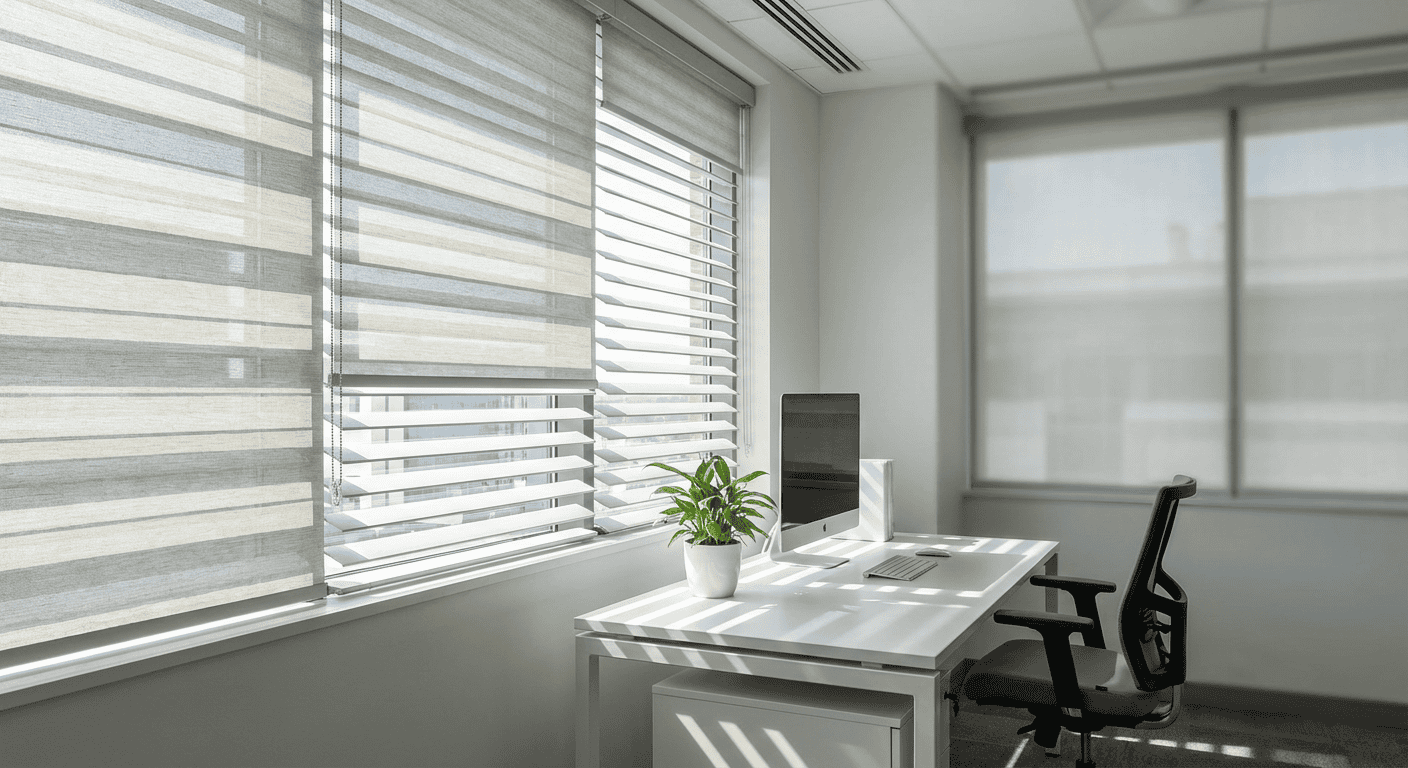

Understanding the cellular shades cost per window and key pricing factors typically involves budgeting between $150 and $800 or more per opening, with expenses shifting based on cell construction, fabric opacity, and overall dimensions. Upgrading from standard manual lifts to automated solutions can also play a substantial role in total hardware costs. At Advance Blinds, homeowners receive expert guidance to balance these custom design elements and energy-efficient materials with their renovation budgets.
Overview
Window covering budgets require balancing material specifications against daily functional demands. Evaluating cellular shades cost per window and key pricing factors clarifies how dimension, fabric opacity, and lift technology shape total project investments. The following sections outline component pricing, compare alternative products, provide mounting guidelines, and present a labeled real-world hypothetical featuring a local scenario to illustrate practical budget allocations.
- Core Cost Factors: Review how dimensions, pleat depth, and lift mechanisms alter pricing factors explained across different rooms.
- Cellular Styles: Examine how single-cell, double-cell, and blackout fabrics impact styles affecting cost during product selection.
- Treatment Alternatives: Compare honeycomb shades against roller shades, wood blinds, and drapery to evaluate other window treatments side by side.
- Mounting Guide: Follow detailed measuring steps and hardware checks outlined in installation steps for secure brackets.
- Value Strategies: Prioritize long-term energy performance and durable components by maximizing value across living spaces.
- Real-World Example: Walk through a practical budget breakdown when choosing cellular shades for specific window layouts.
Key Window Dimensions and Material Factors That Determine Price
Advance Blinds calculates your total investment by evaluating five technical components on every window opening: glass dimensions, pocket architecture, textile quality, lift control, and hardware add-ons. Standard spunlace polyester forms the baseline price point, but selecting textured weaves, specialized dirt-resistant finishes, or heavier opaque fabrics increases material expenses. Wider pleat profiles and double-cell honeycomb layers also shift production costs higher because multi-pocket construction requires additional raw yardage and precise bonding to trap conditioned indoor air.
| Pricing Driver | Technical Difference | Cost Adjustment |
|---|---|---|
| Fabric Selection | Standard non-woven polyester versus woven designer textures or metallic backings | Moderate baseline increase |
| Honeycomb Architecture | Single-cell pockets versus multi-chamber double-cell profiles | 15% to 30% higher fabric cost |
| Lift Operation | Manual cordless spring tension versus automated electric wand or smart motor | Adds $100 to $350+ per unit |
| Specialty Hardware | Top-down/bottom-up routing or dual-opacity light rails | Moderate hardware surcharge |
| Frame Dimensions | Compact residential sizes versus oversized patio or picture window spans | Directly scales material and headrail gauge |
Operating controls drive another notable portion of unit totals. Manual cordless tensioners provide child-safe operation at a modest step above legacy corded pulleys, while adding automated controls like SoftTouch® Motorization increases equipment expenses. Choosing multi-layer systems such as Duolite® dual-function shades pairs a sheer filtering tier with a room-darkening back layer on a single headrail, requiring dual drive channels that impact project totals while resolving challenging southern exposures.
Large window heights and widths demand heavy-gauge aluminum headrails along with continuous yardage, scaling your cost per window directly against square footage. Aligning high-performance double-cell builds for drafty northern exposures while placing simpler single-cell fabrics in low-glare utility rooms prevents budget overruns without compromising indoor comfort.
How Fabric Cell Designs and Opacity Impact Total Investment
Blinds, Shades & Drapery in Manitoba feature customizable construction choices that dictate exact pricing across every window. While baseline dimensions establish raw square footage costs, your selection of internal pleat geometry, textile light management, and lift controls creates the ultimate price variance.
Homeowners balancing thermal needs with upfront expenses frequently evaluate interior honeycomb profiles. Installing energy-efficient honeycomb shades with a dual-pocket core requires more raw yardage than a standard single-pleat build, creating a higher investment tier in exchange for lower seasonal heat transfer and noticeable acoustic dampening.
| Configuration Choice | Relative Price Shift | Core Advantage |
|---|---|---|
| Single-Cell Build | Baseline | Dependable climate buffering and daily sun management for main living areas. |
| Double-Cell Build | Premium | Dual pockets trap trapped air twice to cut seasonal utility loss and muffle street sounds. |
| Light-Filtering Weaves | Standard | Diffuses direct glare into soft interior illumination while blocking view from outside. |
| Room-Darkening Blackout Material | Upcharge | Eliminates inbound glare with built-in foil or opaque barriers ideal for bedrooms and media rooms. |
Pairing these fabric layers with specialized hardware also adjusts the budget. Upgrading to multi-opacity mechanisms such as Hunter Douglas Duolite® shades combines daytime transparency with evening blackout settings on a single headrail, giving you complete light control through a refined, integrated installation.
Comparing Cellular Shades to Blinds and Drapery Options
Advance Blinds custom window coverings give homeowners distinct thermal advantages over slatted systems or fabric curtains. Cellular shades use internal honeycomb pockets that trap stationary air against the pane, creating an uninterrupted thermal barricade across the glass. In contrast, standard wood or composite blinds feature individual horizontal slats that tilt for direct sunlight redirection, but those physical separations allow continuous air transfer and border glare throughout the day.
Insulating honeycomb shade construction solves thermal leakage far better than traditional drapery panels. While lined curtains provide surface softness and cut minor room drafts, they lack bidirectional movement. Top-down, bottom-up cellular designs allow daylight through the upper pane while preserving street-level seclusion below. For Winnipeg households managing severe temperature swings, sustained heating and cooling reductions shorten the payback window and offset the initial purchase price.
| Window Treatment Style | Core Operational Strength | Design Trade-Offs |
|---|---|---|
| Cellular Shades | Superior air-pocket thermal insulation with dual-direction positioning | Repetitive pleat texture offers fewer print choices than custom textiles |
| Horizontal Slat Blinds | Precise directional deflection of harsh daytime sun | Air currents flow through structural gaps between horizontal slats |
| Drapery Panels | Soft acoustic dampening and decorative fabric volume | Fixed vertical travel cannot isolate light to the upper window pane |
Hunter Douglas LightLock™ blackout channels eliminate perimeter light gaps completely by securing shade edges inside side tracks. Selecting the ideal installation depends on your targets for room darkness, thermal resistance, and architectural profile across every living space.
How to Measure and Install Cellular Shades Yourself
Handling shade installation on your own lowers the cellular shades cost per window by eliminating third-party labor expenses. Standard rectangular openings present an approachable project for homeowners equipped with basic household tools and manufacturer instructions.
Required Tools and Preparation
Before unpacking any materials, gather the following essentials:
- Steel measuring tape
- Marking pencil
- Cordless power drill with driver bits
- Handheld screwdriver
- Torpedo or spirit level
Measuring the Window Frame
Securing custom measures protects against non-returnable manufacturing errors, as a discrepancy of merely an eighth of an inch leads to friction along the casing or unwanted light leaks. Always measure each casing twice before submitting specifications.
Select your preferred mounting position and record the following points:
- Inside Mount: Check the width at the top, midpoint, and base of the interior casing. Note the height along the left edge, center, and right edge. Use the narrowest horizontal span and shortest vertical span so the headrail fits cleanly inside the jambs.
- Outside Mount: Document the overall surface area on the drywall or trim where brackets will anchor. Order according to the maximum width and height figures to ensure full cellular coverage over the glass opening.
Unboxing and Inspecting Components
Carefully unwrap the shipping carton to examine the headrail and pleated honeycomb cells for transport damage. Cross-reference all enclosed brackets, mounting screws, and tension clips against the parts schedule in the manual before drilling mounting holes.
For specialized installations, such as pairing shades with the LightLock™ blackout channel system, follow the enclosed template precisely to keep the side rails plumb and aligned with the fabric stack.
Balancing Upfront Expenses and Long-Term Energy Savings
Home window treatments vary dramatically in price, with entry-level stock units starting near $70 and specialized custom installations exceeding $470 per window. Getting the strongest return on your investment means selecting cell structures, textile weights, and mechanical hardware tailored specifically to the thermal and lighting demands of each space.
Evaluating Custom Upgrades Against Off-the-Shelf Options
Consider a practical scenario: Brenda is updating her home in Winnipeg and assessing whether basic cordless shades make financial sense compared to premium upgrades. Facing sub-zero prairie winters, she is weighing whether motorized motors and heavy-duty blackout textiles justify spending more at the outset than she would on standard department store stock.
Standard off-the-shelf shades keep initial spending low, but they leave gaps along window casings where cold drafts infiltrate living spaces. Selecting custom measures from Advance Blinds ensures an edge-to-edge fit that seals the perimeter of the glass against severe weather while preventing light bleed.
When Custom Features Pay Off
Advance Blinds recommends investing in made-to-order builds whenever draft reduction, complete darkness, or hands-free convenience are primary goals. Upgrading your installations with PowerView® Automation allows motorized blinds to close automatically, which can help manage energy efficiency.
- Precision Frame Fit: Tight fabrication tolerances stop perimeter light leakage and prevent cold drafts from cascading down interior glass.
- Targeted Cell Fabrics: Double-cell and foil-lined blackout textiles deliver higher R-values than thin, single-cell discount fabrics.
- Automated Scheduling: Motorized lifts adjust on set timers to capture passive solar heat during sunny daylight hours and seal out the cold after dusk.
For drafty prairie homes like Brenda’s, investing in custom insulation and tailored controls quickly offsets higher retail costs through lower monthly utility bills and years of reliable operation.
Matching Shade Features to Specific Room Demands
Selecting custom window treatments requires balancing insulating capabilities, light control, and cordless safety configurations. Because each technical choice shifts your cellular shades cost per window, defining specific environmental priorities across individual zones keeps total renovation figures predictable.
Winnipeg properties endure severe winter lows alongside humid summer highs, turning glass panes into major sources of thermal loss. While main living rooms thrive with light-filtering fabrics that illuminate shared spaces without harsh glare, primary sleeping quarters often demand room-darkening textiles. Upgrading hard-to-reach transom panes with PowerView® Automation delivers push-button convenience, while standard ground-floor frames perform reliably using manual cordless hardware. Advance Blinds guides Manitoba clients through these mechanical details so homeowners invest solely in upgrades that serve daily living patterns.
| Target Priority | Recommended Build | Investment Tier | Performance Benefit |
|---|---|---|---|
| Thermal Performance | Double-cell honeycomb fabric | Mid to High | Twin air pockets trap escaping indoor heat during winter and block exterior solar radiation all summer. |
| Complete Darkness | Blackout textiles with side channels | High | Opaque materials eliminate incoming morning glow and ambient street lighting for uninterrupted sleep. |
| High-Ceiling Control | Motorized remote systems | Premium | Integrated battery motors operate elevated or clerestory frames without dangling ladder cords. |
Pairing advanced hardware like the LightLock™ blackout system with bedroom frames guarantees restful conditions without requiring identical high-tier add-ons in kitchens or entryways. Allocating premium insulated fabrics solely to draft-prone exposures maintains financial discipline across multi-room installations.
FAQ
To help you budget accurately for your window treatment project, the reference table below outlines the cellular shades cost per window and key pricing factors you should consider before purchasing. Browse these quick answers to common questions regarding local estimates, cellular designs, operating systems, and professional installation.
| Question | Answer |
|---|---|
| What is the average cellular shades cost per window in Plum Coulee, Manitoba? | Homeowners in Plum Coulee, Manitoba typically pay between CAD $150 and $600 per window for cellular shades. Basic single-cell models sit at the lower end of that range, while custom double-cell designs with motorization reach the higher tier. If you choose specialty blackout fabrics, final hardware prices will increase accordingly. |
| Which cell design provides the best balance of insulation and price? | Single-cell shades provide reliable light control at the most budget-friendly price point. Double-cell shades create a secondary air pocket that reduces winter heat loss through glass. If heating bills during cold Manitoba winters are your main priority, the extra upfront expense for double cells pays off over time. |
| How much does adding cordless or motorized controls increase the total bill? | Standard cordless spring systems typically add CAD $25 to $50 per window compared to base corded models. Motorized wand systems or automated smart motors add between CAD $100 and $300 per unit, depending on the power source and remote integrations. Choosing manual cordless controls delivers child-safe operation without substantially inflating your window covering budget. |
| Should professional installation be added to custom window shade orders? | Professional measuring and mounting adds approximately CAD $35 to $75 per window in Plum Coulee, Manitoba. While DIY hanging saves money, professional installers guarantee exact bracket alignment and proper fabric drop, which prevents light gaps on inside mounts. If your home has deep casing trim or high, hard-to-reach openings, professional fitting prevents costly ordering errors. |