
Answer
Window treatments must stop 99% to 100% of outside light to create total room darkness. The best blackout blinds combine dense, opaque fabrics with exact window measurements to eliminate light gaps along the frame edges in bedrooms, nurseries, and home theaters. Manitoba homeowners can source custom-fitted window coverings from Advance Blinds to guarantee maximum light blockage across any window dimension.
Overview
Blackout window treatments block up to 100% of external light when paired with opaque fabric backing and light-sealing side channels. Homeowners selecting the best blackout blinds evaluate roller, cellular, and panel track designs alongside inside and outside mounting methods to eliminate edge glare. The sections below compare light-blocking hardware, detail a real-world sleep scenario for a homeowner named Liam, and provide custom fitting specifications from Advance Blinds.
- Selection criteria: Review fabric opacity, side channels, and hardware when choosing blackout blinds for your home.
- Product comparisons: Measure light blockage and thermal performance across blackout blinds vs. other options.
- Practical scenario: Read Liam’s hypothetical case study showing how blackout blinds assist with sleep.
- Mounting and upkeep: Follow exact measurement, overlap, and cleaning rules for installing and maintaining blinds.
- Room-by-room designs: Match roller, cellular, and panel track blind styles for any room.
- Custom fitting services: Review professional measurement and product specifications showing why choose Advance Blinds.
Choosing Blackout Blinds for Your Home
Homeowners select the best blackout blinds by first evaluating the exact function of each room. Bedrooms, nurseries, and home media rooms require maximum light blockage to prevent glare and daytime interruptions. Measuring window dimensions, matching existing interior design styles, and establishing clear privacy requirements narrow down the most effective window treatment styles for each space.
Winnipeg residents typically weigh their preferred visual style against the exact percentage of incoming sunlight they need to eliminate. Shift workers sleeping during daylight hours require total darkness, whereas living areas may only need moderate room darkening. Advance Blinds supplies customized window coverings equipped with specialized side-channel systems like LightLock to seal edge gaps and block stray light. Comparing hardware and fabric configurations in a blackout shades guide helps buyers match the right product to their specific window frames.
Blackout Blinds vs. Other Darkness Solutions
Blackout blinds block 99% to 100% of external light when installed with a tight fit, outperforming standard window coverings that only block 50% to 80%. While basic treatments reduce midday glare, dedicated blackout solutions eliminate streetlamp glow and direct sunlight in bedrooms, nurseries, and media spaces. Advance Blinds advises homeowners to measure the exact percentage of light blockage needed before selecting a window fixture.
Standard slatted blinds and sheer curtains let sunlight pass through cord holes, thin textiles, and window frame gaps. By contrast, products featured in our Blackout shades guide use opaque backing materials and side channels to stop light leaks at the perimeter.
Buyers looking for the best blackout blinds should compare light-blocking ratings, thermal insulation, and mounting profiles across all available window treatments. Direct comparison guarantees the installed hardware meets strict darkness requirements for daytime sleep, projector viewing, and total room privacy.
| Solution Type | Light Blockage | Insulation | Style Options |
|---|---|---|---|
| Blackout Blinds | 99-100% (with proper fit) | High | Wide range, including LightLock systems for edge sealing |
| Standard Blinds | 50-80% (light filters through slats and edges) | Moderate | Extensive decorative choices |
| Blackout Curtains | 90-95% (light may leak around edges) | High | Fabric-dependent, can be bulky |
| Room Darkening Shades | 80-95% (some light penetrates fabric) | Moderate to High | Variety of materials and textures, including some Blackout shades Ultimate designs |
Blackout Blinds for Better Sleep
Blocking 99% to 100% of external light stops early morning sun and streetlamps from disrupting sleep cycles. Standard window coverings often leave perimeter gaps that allow glare into the room, forcing homeowners to choose between total darkness, clean design, and simple daily operation.
Liam loses sleep because outside glare enters his bedroom in Winnipeg, Manitoba. He knows the best blackout blinds block harsh light, yet he questions whether a dedicated blackout system outperforms more flexible window coverings for his daily routine. Should Liam install full blackout blinds for total bedroom darkness, or select an alternative treatment that balances daytime light filtering with nighttime privacy?
Recommendation: Custom Blackout Blinds
Advance Blinds: Blinds, Shades & Drapery In Manitoba recommends custom-fitted blackout blinds whenever total darkness is the top priority. Custom measurements eliminate perimeter light gaps and block 99% to 100% of incoming rays. Pairing these blinds with side-channel systems like LightLock seals the window frame edges to stop light bleed completely. Homeowners who want both daytime diffused light and nighttime darkness can select dual-layer blackout shades instead.
Installing and Caring for Your Blackout Blinds
Accurate mounting eliminates perimeter light gaps and keeps window treatments running smoothly. Even a small measurement error around the frame lets outside glare seep into the room. Advance Blinds recommends professional fitting for top light control, particularly when installing side-channel tracks like LightLock™ systems.
After installation, routine cleaning and careful daily operation prolong the life of the materials. Fabrics, vinyl, and cellular pleats each need specific upkeep to retain their light-blocking backing and appearance. Across Manitoba, homeowners keep their window coverings looking new through consistent weekly dusting.
- Verify Window Dimensions: Measure the width and height at three points before drilling. Exact sizing stops side light leaks and produces a tight fit inside the window casing.
- Anchor the Brackets: Fasten mounting hardware directly into solid framing or wall studs. Follow the manufacturer guidelines for your chosen inside-mount or outside-mount setup.
- Check the Travel Path: Raise and lower the shade several times once clipped into place. Confirm the fabric rolls or folds evenly and seals tightly against the sill to block incoming light.
- Remove Surface Dust: Wipe the slats or fabric weekly with a microfiber duster or a low-suction vacuum brush attachment. Clearing away airborne grit prevents fabric staining and keeps internal clutches clean.
- Blot Stains Carefully: Treat small marks using lukewarm water and a drop of mild dish detergent on a soft cloth. Skip abrasive cleaners or bleach, which strip the opaque backing on the best blackout blinds.
- Check Hardware and Motors: Examine lift cords, tilt wands, and battery packs every few months for fraying or slow response. Fixing worn parts early keeps your window shades safe and reliable.
Consistent upkeep protects both the room-darkening backing and the mechanical lift system for years. Contact a window covering specialist if you need ultrasonic cleaning, cord replacement, or motor troubleshooting.
Blackout Blind Styles for Any Room
Five distinct window treatment styles block up to 100% of external light while matching specific interior design schemes. Selecting the best blackout blinds involves evaluating fabric opacity, material texture, color, and operating hardware to balance room darkening with visual style.
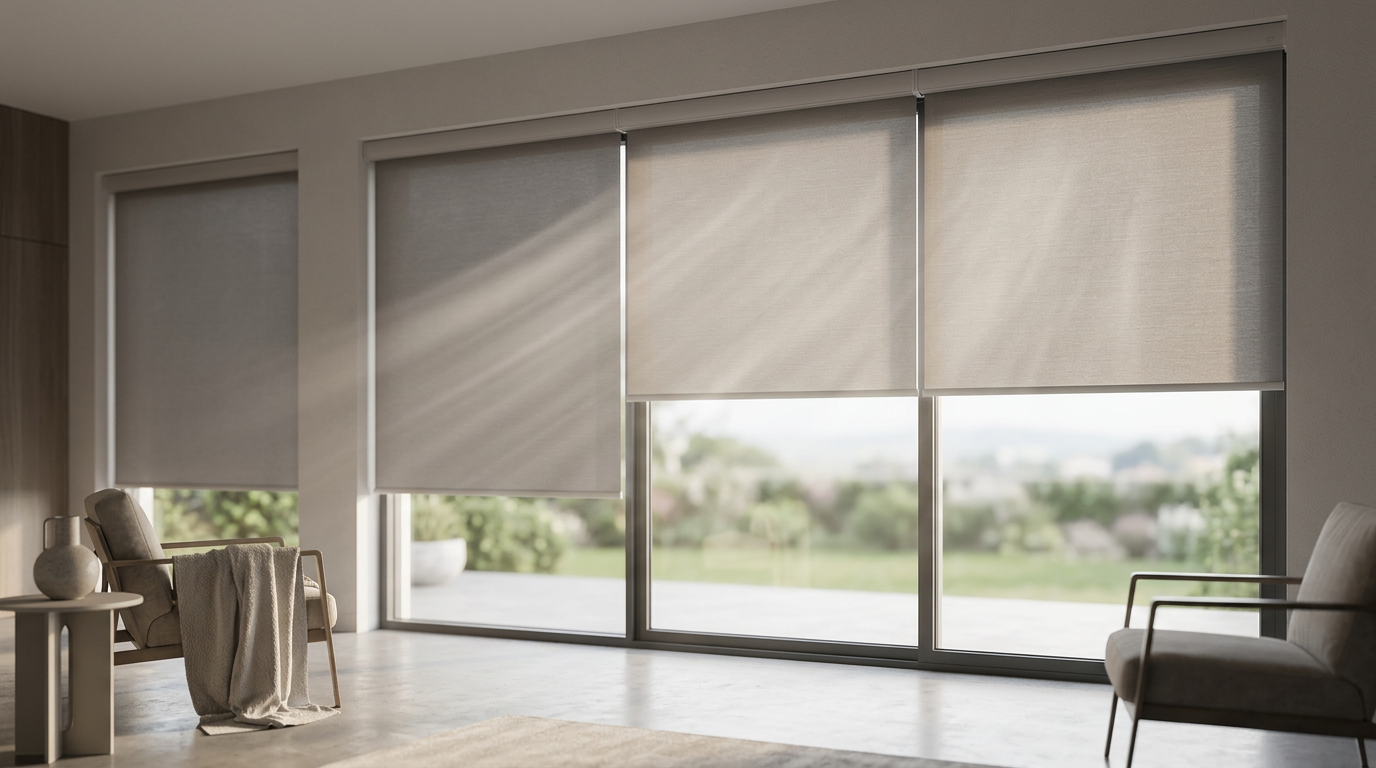
Advance Blinds helps homeowners match light-blocking performance with room decor. Textured or subtly patterned roller shades, for instance, maintain visual interest across large glass expanses even when fully lowered. Buyers should evaluate how each shade profile fits existing furniture and supports the primary use of bedrooms, nurseries, or media rooms.
- Roller Shades: These shades deliver a flat, minimalist profile using 100% opaque vinyl or textured woven fabrics. Pairing roller shades with side-channel systems like LightLock seals the perimeter to stop edge light gaps completely.
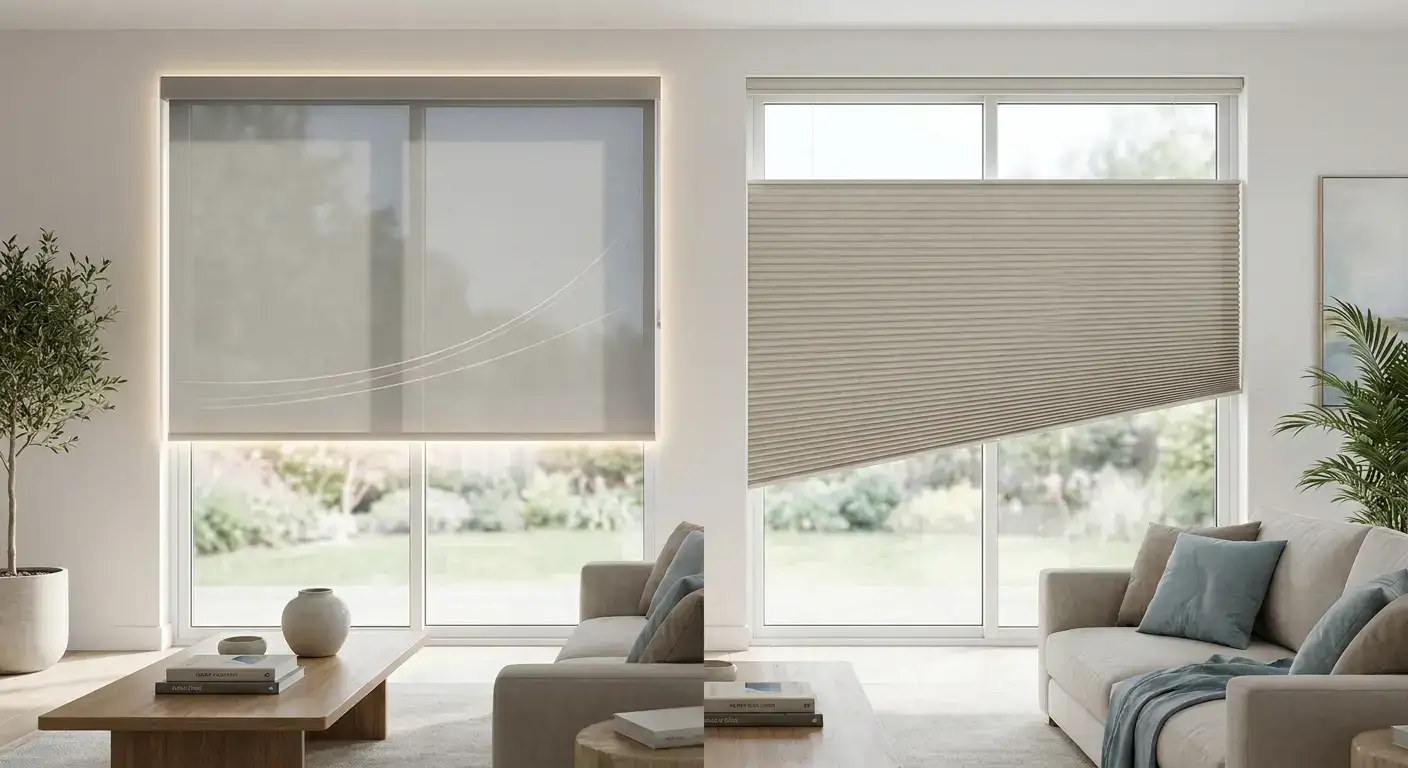
- Cellular Shades: Built with a honeycomb cross-section, cellular shades trap air inside pockets to insulate windows while blocking incoming sunlight. Homeowners can choose from multiple pleat depths and opaque fabric colors to control both room temperature and brightness.
- Roman Shades: Roman shades stack into neat horizontal pleats when raised, combining soft drapery fabrics with standard shade mechanics. Adding a dedicated blackout liner behind patterned or woven textiles secures total privacy and darkness.
- Vertical Blinds: Designed for wide window expanses and sliding patio doors, vertical blinds use rotating and traversing individual slats. Selecting dense, opaque PVC or fabric vanes with a tight overlap layout substantially reduces incoming glare. A dedicated blackout shades guide outlines additional configuration choices for wide openings.
- Drapery: Heavy blackout drapery panels pair directly with inside-mounted blinds or shades to capture stray light leaks around the window frame. Layering lined curtains over primary window coverings adds fabric depth while maximizing room darkness.
Why Choose Advance Blinds for Blackout Blinds
Advance Blinds serves Manitoba homeowners with custom window treatments built for strict light control. Exact measurements and professional installation eliminate edge gaps and deliver maximum room darkening. Custom-fitted units consistently block more light than standard retail sizes.
Complete darkness requires more than opaque fabric alone. Specialized hardware systems like LightLock pair side channels with bottom seals to trap incoming light from every angle. Homeowners achieve the highest level of darkness by selecting custom blackout shades or pairing blinds with lined draperies.
Advance Blinds matches each room with the best blackout blinds for its specific layout and sun exposure. Installers handle angled frames, oversized glass, and direct southern light using durable blinds, shades, and custom drapery built for long-term performance.
FAQ
Selecting and installing the best blackout blinds involves understanding how specific styles, light-blocking features, and mounting techniques work together to achieve total room darkness. Explore the questions and answers below to learn everything you need to know about eliminating light leakage and enhancing your sleep environment.
| Question | Answer |
|---|---|
| How do the best blackout blinds improve sleep quality, privacy, and room darkness? | The best blackout blinds use solid, opaque fabrics to block external light from streetlamps and early morning sun, supporting uninterrupted sleep for shift workers and families. The thick backing eliminates shadows and silhouettes from the outside, giving bedrooms and street-facing rooms complete visual privacy. They also stop screen glare in media rooms and home theaters, creating a dark, quiet space at any hour of the day. |
| Which styles of the best blackout blinds fit different rooms and window sizes? | Choosing the best blackout blinds depends on your specific room requirements and window dimensions. Standard bedrooms and media rooms work well with sleek roller shades for effective light blockage, or cellular shades that add thermal insulation alongside light control. For maximum darkness and a plush look, blackout curtains cover window edges completely, while modern panel track blinds fit wide windows and sliding glass doors. |
| Which features help the best blackout blinds block light completely? | The best blackout blinds use a solid, opaque backing to block external light from passing through the fabric. Adding side channels and top cassettes stops light from seeping around the window edges and hardware. For maximum darkness, pair these features with a snug inside mount or an overlapping outside mount to minimize light gaps. |
| Why does installation method matter when mounting the best blackout blinds to prevent light leakage? | Accurate installation determines how well the best blackout blinds seal a window frame and block external light. A snug inside mount reduces side gaps, especially when paired with light-blocking side channels. For an outside mount, extending the shade at least two to three inches past the window casing on all sides stops light from seeping around the edges. |