![Custom window blinds and drapery solutions at Advance Blinds & Drapery, serving [Your Location], offering stylish, functional window coverings, professional installation, and expert consultation.](https://advanceblindsanddrapery.com/wp-content/uploads/2025/09/Advance-Blinds-Drapery-Logo.png)

Answer
Winnipeg, Manitoba experiences significant temperature swings, often reaching -30°C in winter and exceeding 30°C in summer. Effective Prairie Climate Window Solutions help regulate indoor temperatures and reduce energy consumption. Advance Blinds: Blinds, Shades & Drapery In Manitoba provides various window covering options designed to enhance insulation and protect against harsh weather conditions.
Overview
This article explores effective window coverings designed for the unique environmental demands of the Prairies. It addresses how standard windows may fall short and presents options for improving indoor comfort and energy efficiency. Later sections also include a labeled real-world hypothetical featuring Eleanor, demonstrating how specific solutions can benefit homeowners.
- Window Weaknesses: Discover why standard windows often struggle in extreme weather conditions.
- Treatment Selection: Find guidance on choosing window treatments that suit the region’s climate.
- Cold Solutions: Explore energy-efficient window solutions specifically for cold temperatures.
- Real-World Example: See how blinds and shades offer home protection.
- Local Expertise: Learn about local window experts who provide tailored advice.
- Long-Term Value: Understand the investment in quality window coverings.
Why Standard Windows Fail in Manitoba
Standard windows often struggle against the severe temperature swings and intense sunlight experienced across Manitoba. Without proper thermal breaks or insulation, glass surfaces become conduits for heat loss in winter and heat gain in summer, directly impacting indoor comfort and energy bills.
In our experience at Advance Blinds: Blinds, Shades & Drapery In Manitoba, we frequently see condensation buildup on standard windows during cold spells, indicating inadequate insulation. This issue can lead to moisture damage over time, affecting window frames and nearby walls. Investing in effective Prairie Climate Window Solutions protects against these common problems.
| Common Window Failure | Impact in Prairie Climates |
|---|---|
| Condensation | Moisture forms on glass during cold weather, potentially leading to mold and wood rot. This happens due to large temperature differences between inside and outside, a frequent occurrence in blinds shades amp homes. |
| Drafts | Poorly sealed or older windows allow cold air intrusion, increasing heating demands. This affects comfort levels, especially in rooms with northern exposure or during high winds common in areas like Plum Coulee mb. |
| Seal Breakdown | Extreme temperature fluctuations cause window seals to degrade, allowing inert gas to escape and moisture to enter between panes. This reduces insulation value and creates a foggy appearance. |
| Increased Energy Loss | Without additional insulation from window treatments, standard windows contribute to significant heat escape in winter and unwanted solar gain in summer. This forces HVAC systems to work harder, increasing utility costs for homeowners seeking Prairie Climate window protection. |
Choosing Window Treatments for Prairie Weather
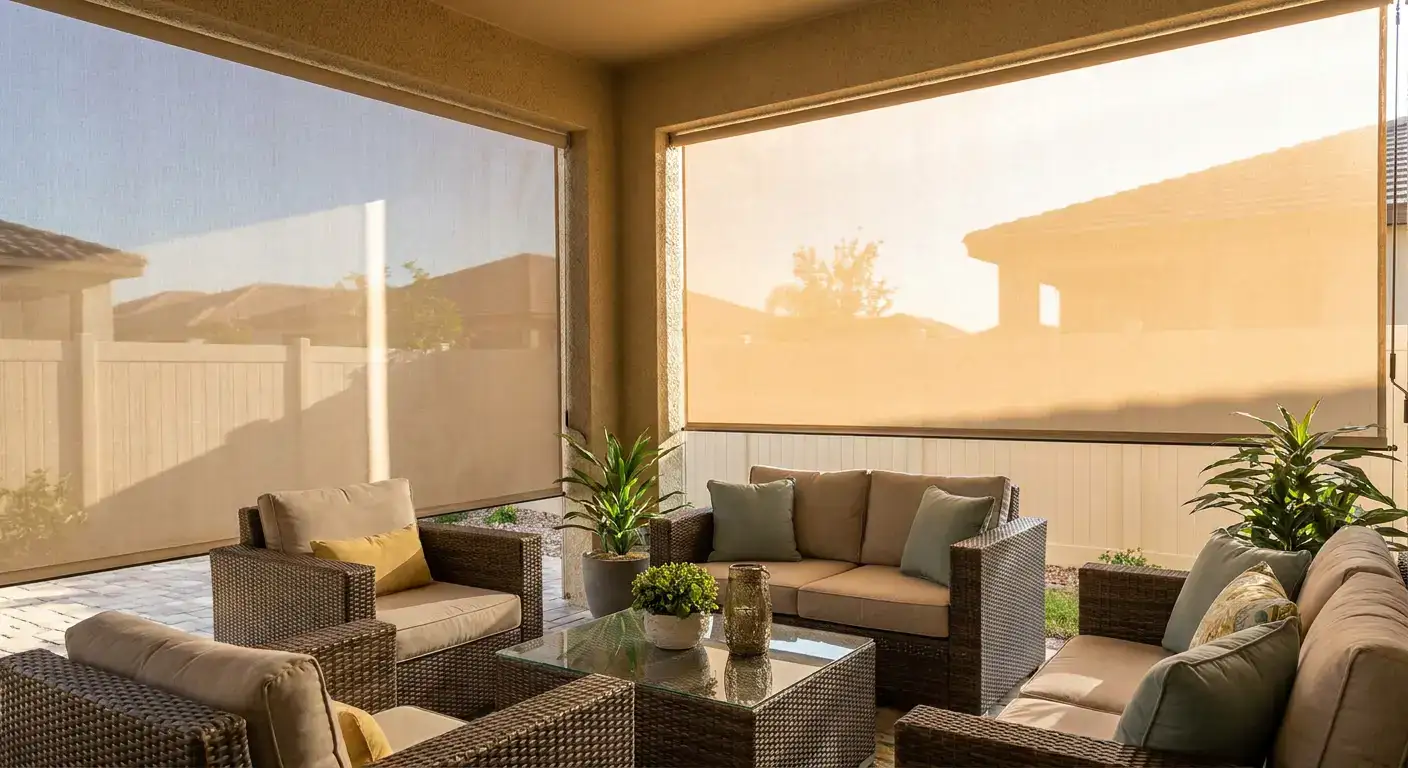
Selecting the right window treatments involves evaluating several factors, including sun exposure, insulation needs, and aesthetic preferences. Homes here often face intense sun exposure from south or west-facing windows, requiring treatments that block UV rays and reduce heat gain during summer. Similarly, winter demands effective insulation to keep warmth indoors and lower heating costs.
When picking window coverings, consider the specific function of each room. For instance, bedrooms benefit from blackout options for better sleep, while living areas might prioritize light filtering and privacy. We often recommend how to choose options that balance these needs with ease of operation, such as motorized systems.
Prairie Climate Window Solutions aim to address these extreme conditions effectively. Consider the following types of window treatments and their benefits for this environment.
| Treatment Type | Key Benefits for Prairie Climate | Ideal Application |
|---|---|---|
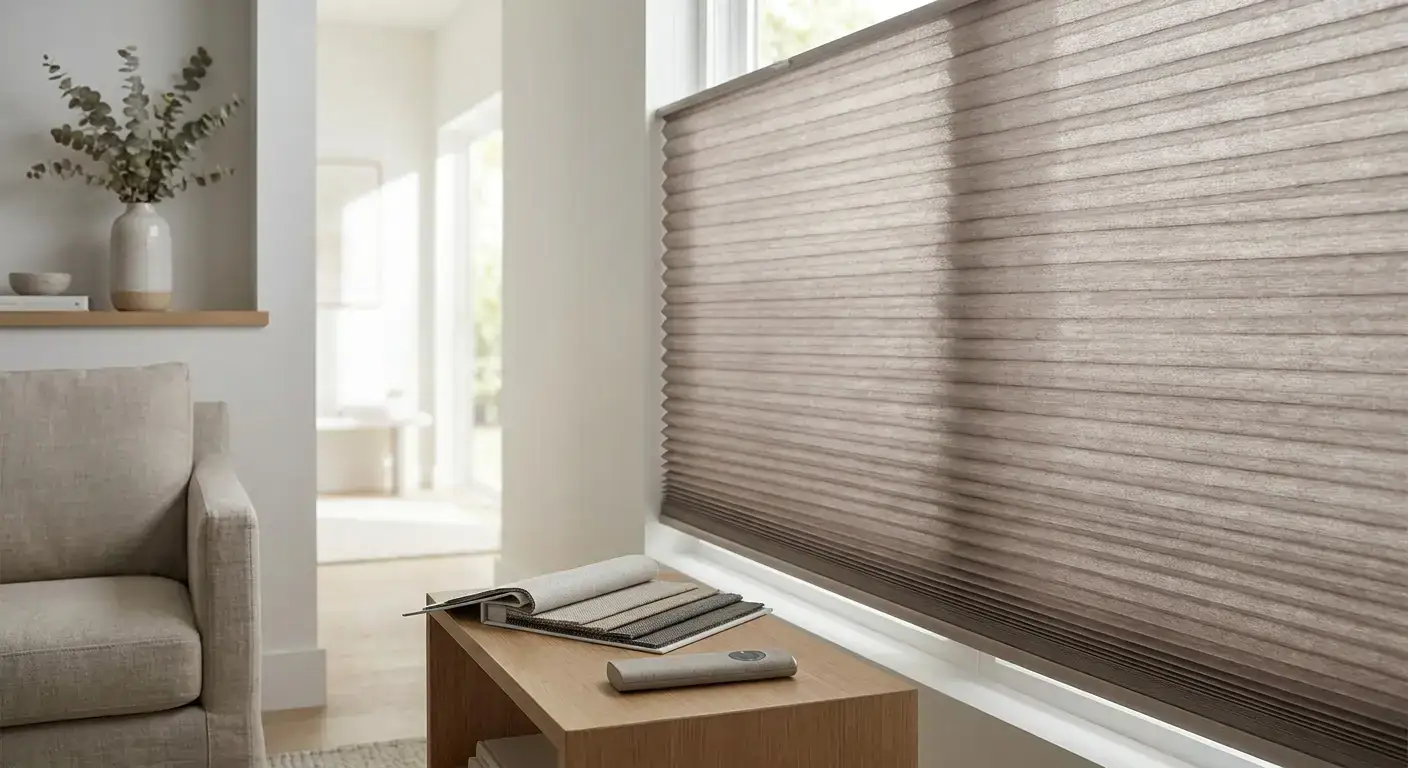
| Cellular Shades | Excellent insulation, reduces heat transfer, sound absorption | Bedrooms, living rooms, any window needing energy efficiency |
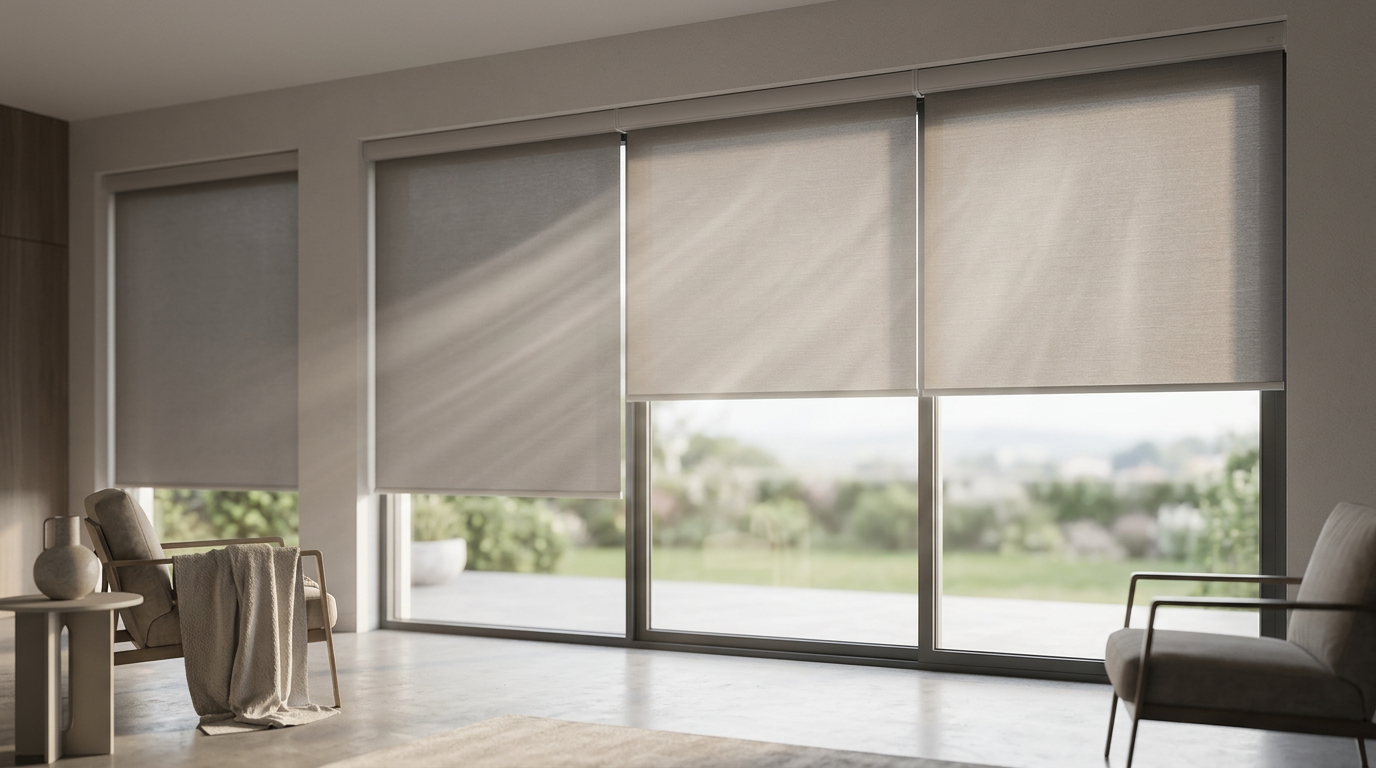
| Roller Shades | Blocks UV rays, reduces glare, available in light-filtering or blackout fabrics | Sun-exposed rooms, media rooms, offices |
| Wood Blinds | Natural insulation, light control with slat adjustments, classic appearance | Living rooms, dining rooms, studies |
| Drapery | Adds a layer of insulation, customizable styles, enhanced light blocking when lined | Bedrooms, formal dining areas, large windows |
| custom window treatments | Precise fit for unique windows, specific fabric choices for insulation or light control | Unique window shapes, specific design goals, enhanced thermal performance |
Energy-Efficient Window Solutions for Cold
Reducing heat loss through windows during cold periods can significantly impact home comfort and heating costs. Specialized window treatments provide insulating layers that create a thermal barrier. For instance, Energy Efficient shades often incorporate cellular designs to trap air, reducing thermal transfer.
Properly chosen coverings offer Prairie Climate Window Solutions by blocking drafts and minimizing heat escape. We recommend double-cell shades for homes with older windows, as these add an extra layer of insulation where it is most needed. This approach helps maintain stable indoor temperatures without overworking heating systems.
Optimizing window treatments for cold weather involves several steps:
- Ensure windows have proper seals. Gaps around window frames allow significant heat escape.
- Add insulating layers such as cellular or Roman shades. These create air pockets that slow heat transfer.
- Consider window treatments with a cellular construction. This design inherently provides better insulation than single-layer options.
- Install motorized controls for timed adjustments. Automated systems can close coverings during the coldest parts of the day.
| Solution Type | Key Benefit for Cold Climates | Relevant Features |
|---|---|---|
| Cellular Shades | Traps air, providing insulation | Honeycomb pockets, cellular shades benefits, various opacities |
| Insulated Drapes | Adds thermal barrier and blocks drafts | Thick fabrics, thermal lining, floor-length options |
| Motorized Systems | Automates temperature control | PowerView Automation, scheduled adjustments, remote operation |
How Blinds and Shades Protect Your Home
Homes in regions with extreme temperature fluctuations face challenges maintaining consistent indoor temperatures. Choosing the right window treatments is important for managing heat gain in summer and heat loss in winter.
Eleanor is considering new window coverings to combat Winnipeg’s harsh climate. She’s torn between the insulating properties of cellular shades and the sleek, versatile design of roller shades. She wonders which option will best help regulate her home’s temperature and reduce energy bills. Should Eleanor prioritize cellular shades or roller shades for her Winnipeg home’s energy efficiency?
Recommendation: Cellular Shades
Advance Blinds: Blinds, Shades & Drapery In Manitoba would recommend cellular shades for their superior insulating capabilities. Their honeycomb structure traps air, providing an effective barrier against the extreme temperatures experienced in Winnipeg.
Your Local Prairie Climate Window Experts
Choosing appropriate window coverings requires knowledge of both local climate demands and product capabilities. Advance Blinds: Blinds, Shades & Drapery In Manitoba provides window treatment consultation to ensure homeowners select products suitable for their specific needs. Our focus includes assessing factors like window orientation, room usage, and personal style preferences.
We recommend specific solutions for the extreme temperatures here in Winnipeg, Manitoba, balancing insulation properties with natural light control. For instance, blinds shades amp help manage intense summer heat gain and winter heat loss. We also consider how different window solutions contribute to privacy and overall home aesthetics.
Homeowners investing in Prairie Climate Window Solutions look for both comfort and efficiency. While initial costs for premium window treatments may be higher, the long-term benefits in energy savings and increased home value often offset the expense. Consider how each option aligns with your budget and desired outcomes.
| Consideration | Impact on Homeowners |
|---|---|
| Energy Efficiency | Reduces heating and cooling costs; helps maintain stable indoor temperatures. |
| UV Protection | Shields furniture, flooring, and artwork from fading due to harsh sunlight. |
| Light Control | Adjusts natural light levels for privacy and glare reduction. |
| Durability | Withstands temperature fluctuations and seasonal weather patterns. |
| Aesthetic Value | Enhances interior design and potentially increases property resale value. |
Quality Window Coverings for Investment
Investing in quality window coverings provides long-term value for any home, especially when facing diverse prairie weather conditions. These coverings help maintain indoor temperatures and protect interiors from sun exposure. This strategic choice offers both immediate comfort and potential increases in property value.
Properly selected treatments, such as those offered by Hunter Douglas, contribute to energy efficiency by reducing heat transfer through windows. This helps lower heating costs in winter and cooling costs in summer. The right window coverings serve as a lasting asset for your home.
Recommendation: Long-Term Value Window Coverings
| Product | Best for | Budget | Reason |
|---|---|---|---|
| Hunter Douglas Duette Honeycomb Shades | Energy efficiency and insulation | Mid-to-High | Cellular design traps air, offering superior insulation against cold and heat. |
| ALTA Window Fashions Roller Shades | UV protection and glare reduction | Mid-Range | Screens out harsh UV rays, protecting furnishings while allowing natural light. |
| Custom Drapery with Thermal Lining | Draft protection and aesthetic appeal | High-End | Adds an extra layer of insulation, preventing drafts and enhancing room decor. |
| PowerView Automation Motorized Blinds | Convenience and light control | High-End | Automated scheduling helps manage sun exposure throughout the day, improving energy management. |
Advance Blinds: Blinds, Shades & Drapery In Manitoba recommends selecting coverings that align with both aesthetic goals and practical requirements for insulation and light control, particularly for homes in the region.
FAQ
To help you make informed decisions about enhancing your home’s comfort and energy efficiency, we’ve compiled answers to some common questions about Prairie Climate Window Solutions.
| Question | Answer |
|---|---|
| How do standard windows fail in Manitoba’s climate? | Standard windows often struggle with Manitoba’s extreme temperature swings. Without proper insulation, they allow heat to escape in winter and enter in summer. This can lead to condensation buildup, drafts, and seal degradation, forcing HVAC systems to work harder and increasing energy costs for homeowners. |
| What types of window treatments offer the best insulation for cold Prairie winters? | Cellular shades are highly recommended for their excellent insulation. Their honeycomb structure traps air, creating a thermal barrier that reduces heat transfer. Insulated drapes with thick fabrics and thermal lining also provide an effective layer against cold. |
| Should Eleanor prioritize cellular shades or roller shades for her Winnipeg home’s energy efficiency? | Cellular shades are recommended for superior insulating capabilities due to their honeycomb structure, which traps air and offers an effective barrier against Winnipeg’s extreme temperatures. Roller shades can block UV rays and reduce glare but do not offer the same level of insulation. |
| How do quality window coverings provide long-term value in Manitoba? | Quality window coverings offer long-term value by improving energy efficiency, which lowers heating and cooling costs. They also protect interiors from sun fading, enhance privacy, and can increase a home’s overall aesthetic appeal and property value. |