
Answer
Narrow, vertical glass panels beside front doors require specialized window coverings to manage incoming light and block outside views. Sidelight window blinds fit these tight dimensions directly, improving entryway security and visual design. Advance Blinds in Winnipeg takes exact measurements for every installation to eliminate edge gaps, prevent glare, and maintain full interior privacy.
Overview
Standard residential sidelights measure between 8 and 14 inches wide, requiring custom-fitted sidelight window blinds to block exterior sightlines without obstructing door hardware. Homeowners select these narrow vertical coverings to control entryway glare, increase thermal insulation, and secure front foyers. Advance Blinds supplies custom-sized cellular, roller, and wood slat options built to fit tight door frames and meet specific household security standards.
A labeled real-world hypothetical featuring Isabelle illustrates the step-by-step selection process for narrow foyer glass. Her scenario demonstrates how specific hardware and fabric choices solve everyday entryway light and privacy problems.
- Choosing Blinds: Review key measurements and light-filtering factors when selecting blinds.
- Boost Security: fitted coverings block sightlines to improve home security.
- Real-World Example: Compare material and fabric styles for every decor.
- Installation Options: Compare inside and outside mounts for secure blind installation.
- Benefits of Custom: Review the exact fit and insulation advantages of custom blinds.
- Entryway Treatments: Compare cellular, roller, and shutter options for entryway window treatments.
Choosing Sidelight Window Blinds
Narrow entryway windows measure between 6 and 24 inches wide, requiring treatments that manage glare, privacy, and wear alongside visual appeal. Uncovered glass panels let direct sunlight flood the foyer and create harsh brightness. Adjustable light-filtering materials let homeowners control incoming daylight while blocking direct sightlines from the street.
Entryways experience constant foot traffic, door vibrations, and draft-driven temperature swings. Standard coverings often sway or take damage when the front door opens and closes, making sturdy hardware and resilient materials necessary. Advance Blinds supplies custom-fitted blinds shades amp engineered to handle daily doorway activity while maintaining a clean architectural profile.
Compare the five core criteria below to select sidelight window blinds that fit your entryway’s light, privacy, and durability requirements.
| Selection Factor | Practical Specification for Sidelight Blinds |
|---|---|
| Material | Pick moisture-resistant faux wood or aluminum slats for simple wiping and impact resistance in busy foyers. Select woven fabrics when you want softer, diffused daylight. |
| Light Control | Install horizontal louver systems or sidelight window blinds with tilting slats to direct glare away from floors and artwork. Cellular honeycomb shades soften harsh sunbeams and add thermal insulation against doorway drafts. |
| Privacy Needs | Use room-darkening fabrics or tightly overlapping slats to block street-level views into living spaces at night. Top-down/bottom-up mechanisms let natural light enter through the upper glass while screening the lower eye-level portion. |
| Ease of Operation | Choose cordless lift systems, hold-down brackets, or motorized controls to eliminate dangling cords, prevent swinging against the door frame, and simplify adjustments on tall transoms. |
| Style Match | Coordinate slat finishes, fabric textures, and headrail colors with the front door hardware and interior trim to build a unified entryway design. |
Sidelight Blinds Boost Home Security
Sidelight window blinds block outside views into a home’s main entryway. Because these narrow glass panels sit directly next to exterior doors, uncovered panes give outsiders a clear line of sight to check whether residents are home or spot indoor valuables. Installing properly fitted window coverings removes this visibility and acts as a visual deterrent against unwanted attention.
Privacy protection varies across different materials and blind constructions. Solid coverings such as wood blinds or opaque cellular shades stop sightlines completely, whereas sheer or light-filtering fabrics still allow partial visibility, especially when indoor lights are on at night. Advance Blinds advises homeowners to evaluate their front door’s distance from the street and their household schedule when picking a security-focused window treatment.
Entryways facing busy sidewalks or close neighbors benefit most from blackout or opaque materials. Homeowners who want natural light without sacrificing floor-level privacy can select cellular shades with top-down/bottom-up operation, which lower from the top to let sunshine in while keeping the lower glass covered. For daytime views paired with nighttime coverage, sheer vertical blinds filter sunlight during the day and close fully after dark.
| Blind Type | Privacy Level | Light Control | Security Contribution |
|---|---|---|---|
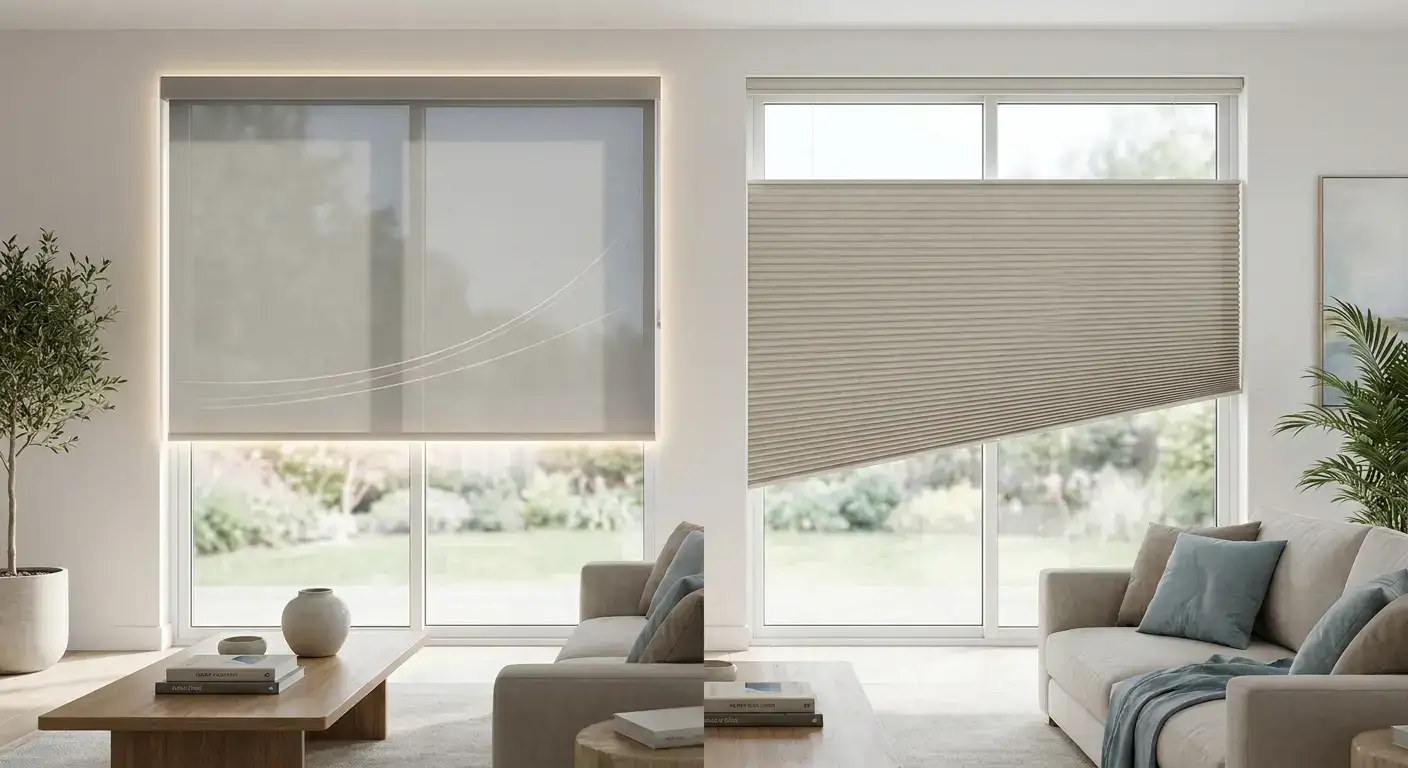
| Cellular Shades | High (with opaque fabrics) | Adjustable (top-down/bottom-up mechanisms) | Eliminates interior sightlines completely and places a fabric barrier over the glass. |
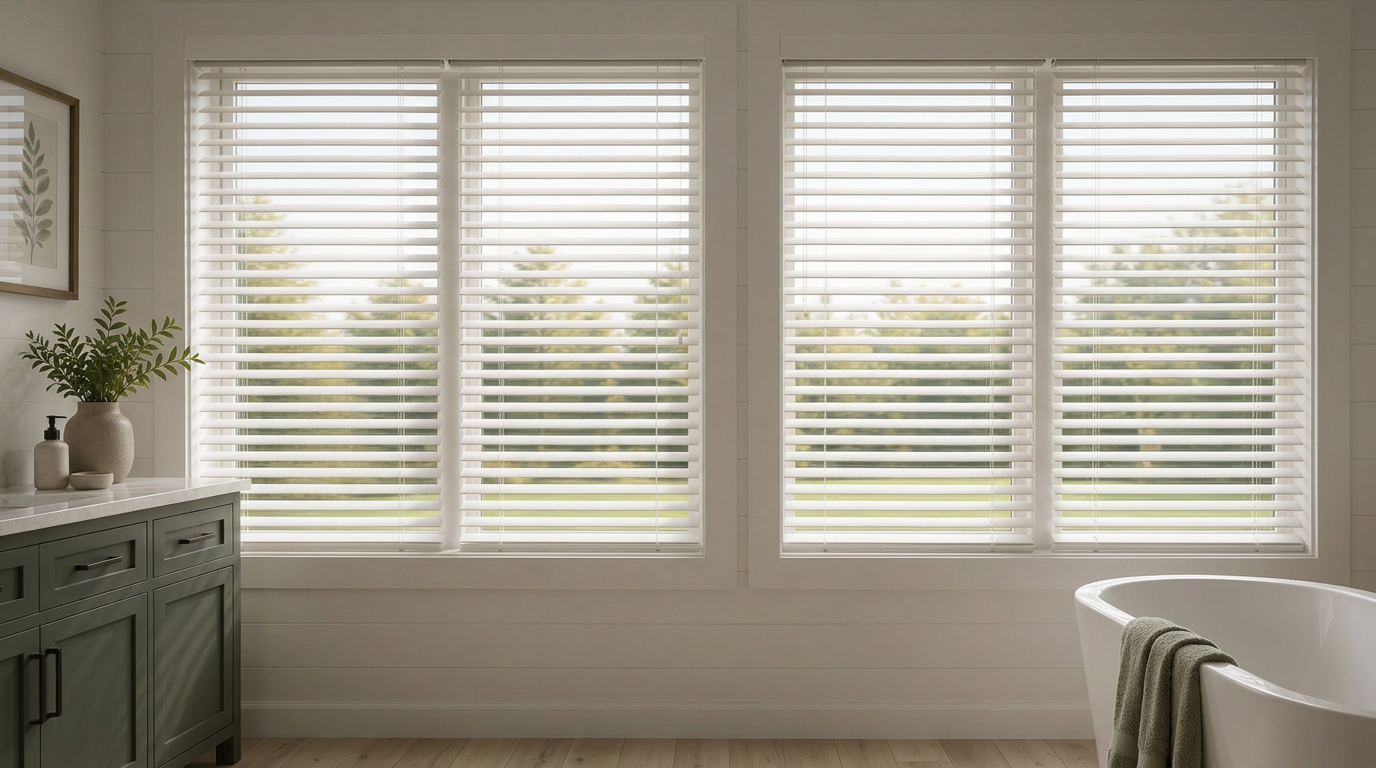
| Faux Wood Blinds | High (with slats shut) | Adjustable (tilting slats) | Solid slats block direct views into the foyer and tilt to direct light upward. |
| Mini Blinds | Moderate to High (based on slat tilt) | Adjustable (tilting slats) | Obscures interior views when shut tightly, though thinner than cellular fabrics. |
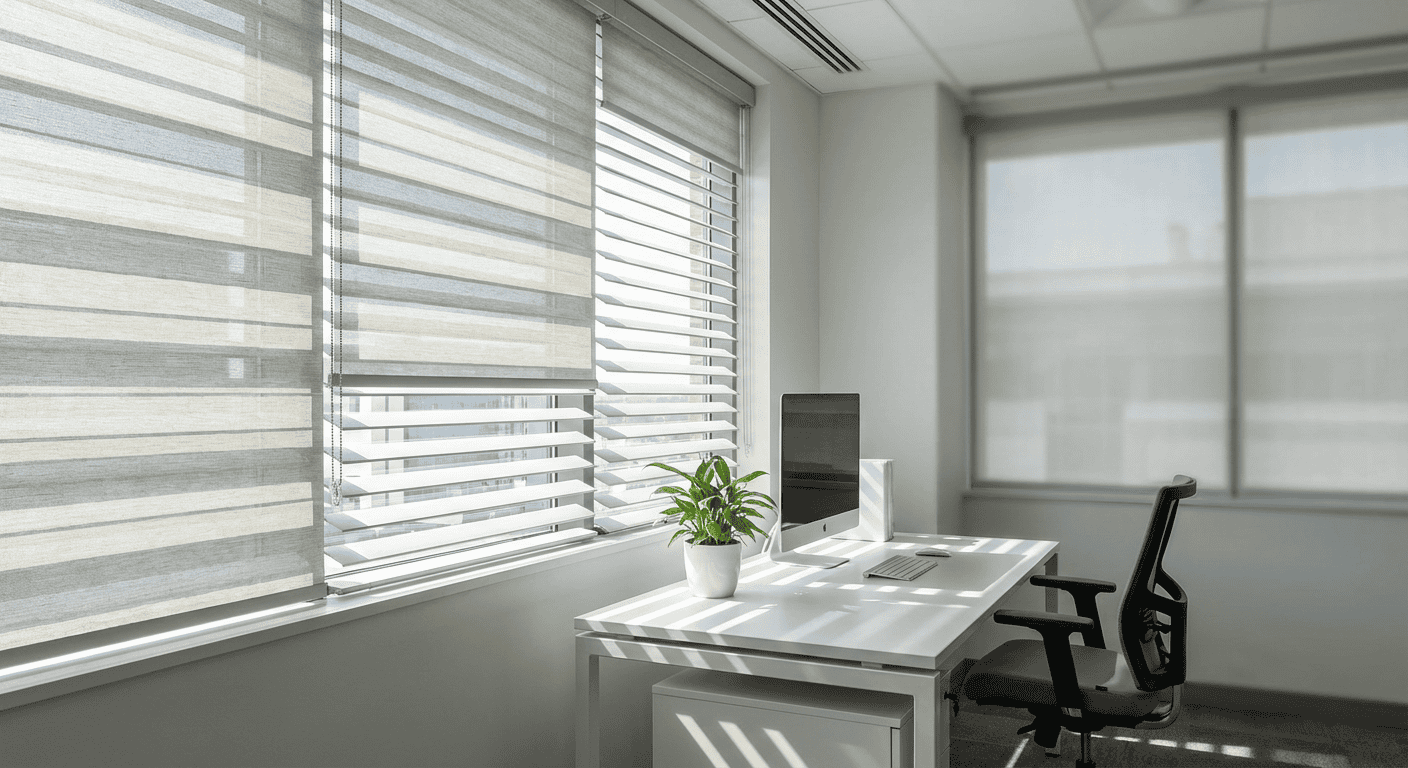
| Sheer Shades | Low to Moderate (partial visibility) | Softens and diffuses incoming daylight | Reduces daytime glare and blurs interior details without full visual blockage. |
Sidelight Blind Styles for Every Decor
Narrow entryway glass panels create distinct security and privacy risks when left uncovered. Off-the-shelf coverings rarely match the slim proportions of front door flanking frames, leaving visible edge gaps that expose interior spaces to street traffic and allow thermal drafts inside.
Isabelle wants to block street-level views at her front entrance in Winnipeg, where tall, slim glass panels sit on both sides of the door. She is weighing the cost of custom-measured sidelight window blinds against standard, ready-made coverings that might not fit the narrow frames properly. Should Isabelle invest in custom-built sidelight blinds for total privacy and security, or settle for an off-the-shelf alternative for her Winnipeg residence?
Recommendation: Custom Sidelight Blinds
Advance Blinds: Blinds, Shades & Drapery In Manitoba advises homeowners to select custom-fitted sidelight window blinds whenever complete visual screening and exact frame coverage are the primary goals. Technicians measure and mount each unit to the exact millimeter of the narrow casing, closing off perimeter light bleed, blocking sightlines from the porch, and creating a clean, tailored finish for the front foyer.
Sidelight Blind Installation Options
Installing sidelight window blinds requires exact sizing and compact brackets to fit slender entryway frames. Because standard sidelight glass typically measures 6 to 12 inches wide, installers must record exact width and height figures to keep the slats operating smoothly. Tight measurements also eliminate side gaps that cause light leaks and expose your foyer to street view.
Your choice between inside and outside mounting changes both light control and visual proportions. An inside mount sits flush inside the casing for a clean, built-in profile, whereas an outside mount overlaps the trim to block edge glare and make narrow glass appear wider. French Door blinds share these exact mounting requirements because both setups must clear nearby locks and levers.
Advance Blinds handles on-site measuring and mounting so each custom covering aligns straight and moves without catching. Homeowners can book professional fitting through our window treatment services to guarantee a clean finish and smooth daily operation.
- Exact Sizing: Record width and height at three points along the narrow frame to prevent scraping or light gaps.
- Mount Style: Pick an inside mount for a recessed, flush look or an outside mount to cover trim and block edge light.
- Bracket Hardware: Use slim, heavy-duty brackets and hold-down clips to keep blinds from swaying when the front door slams.
- Handle Clearance: Check projection depth before drilling so slats and headrails do not hit deadbolts or door levers.
- Custom Installation: Rely on trained installers to level the headrail and anchor fasteners securely into wood, fiberglass, or steel frames.
Benefits of Custom Sidelight Blinds
Custom-fitted window coverings offer a precise fit that off-the-shelf products cannot match, especially for narrow sidelights. These made-to-order blinds ensure full coverage, eliminating gaps that compromise privacy or allow unwanted light. We find that many homes here feature unique entryway window dimensions, making precise measurements essential for optimal function and appearance.
When selecting coverings for these windows, a custom approach allows for a wider range of materials, operating systems, and styles. This personalized selection helps homeowners achieve a cohesive look with existing decor while meeting specific light control and privacy needs. For instance, alta window fashions can be tailored to fit unusual window heights or widths often seen in older homes.
Opting for custom solutions also extends the lifespan of the window treatments, as they are less likely to experience wear and tear from ill-fitting installation. Advance Blinds provides professional custom measures to ensure each blind operates smoothly and looks its best for years. Without a precise fit, even high-quality window coverings may not perform as expected.
Entryway Sidelight Window Treatments
Standard residential sidelights typically measure between 10 and 24 inches wide, making off-the-shelf shades unsuitable for front entryways. Choosing the right window coverings for these narrow vertical panes blocks direct street views while keeping the foyer bright. The proper sidelight window blinds balance security, glare reduction, and curb appeal next to the front door.
Advance Blinds in Winnipeg fabricates custom entryway treatments built to match narrow frame depths and tall vertical openings. Homeowners can choose from solid shutters for total visual blockouts or soft fabrics that diffuse harsh daylight. Each installation matches the surrounding interior trim and hardware.
| Primary Goal | Recommended Option | Budget | Key Advantage |
|---|---|---|---|
| Maximum Privacy | Plantation shutters | Higher | Rigid louvers block outside sightlines and add permanent architectural structure. |
| Light Control with Privacy | cellular shades | Mid-range | Honeycomb pockets diffuse incoming sunlight while obscuring interior views. |
| Modern Style | Roller shades | Mid-range | Flat fabric panels roll tightly into a compact cassette for a clean look. |
| Custom Fit and Style | Custom vertical blinds | Varies | Built to exact narrow widths with a wide selection of textures and colors. |
| Easy Operation | Motorized blinds | Higher | Remote or smart-app adjustments control tall or hard-to-reach entryway glass. |
FAQ
Choosing the right sidelight window blinds can transform your entryway by balancing curb appeal with essential home privacy. Explore the answers to common questions below to learn more about fitting, benefits, and ongoing maintenance for your narrow front door windows.
| Question | Answer |
|---|---|
| What are sidelight window blinds, and how do they fit narrow front door windows? | Standard sidelight windows typically measure 6 to 18 inches wide, requiring custom-sized sidelight window blinds to cover the glass without obstructing door handles or trim. Manufacturers build these vertical entryway coverings with slim headrails and hold-down brackets that secure the bottom rail so the blind does not sway when the front door opens. Homeowners can choose custom cellular, roller, or mini blinds to control sunlight, block outside views into the foyer, and improve entryway insulation. |
| How do sidelight window blinds increase privacy at the front door? | Sidelight window blinds block direct outside views through the narrow glass panels next to your front door. Homeowners can tilt the slats to filter daylight while keeping the interior hidden from passersby, or close them completely for total night-time concealment. Choosing custom-fitted blinds or opaque fabrics eliminates side gaps and strengthens front entryway security. |
| Why should I install sidelight window blinds in my entryway? | Installing sidelight window blinds in your entryway improves privacy and gives you precise control over incoming daylight. These coverings also add a layer of insulation against glass next to your front door, helping regulate indoor temperatures and support energy efficiency. Beyond practical benefits, they complete the look of your foyer with clean, decorative style. |
| What is the best way to clean and maintain sidelight window blinds? | Maintain sidelight window blinds by dusting them weekly with a microfiber cloth or a vacuum brush attachment to remove entryway dust. Wipe away light smudges using a damp cloth and mild soap, then let the slats dry completely before raising or tilting them. Always verify the manufacturer care guide for material-specific rules, as wood, faux wood, and fabric shades require different moisture limits. |