![Custom window blinds and drapery solutions at Advance Blinds & Drapery, serving [Your Location], offering stylish, functional window coverings, professional installation, and expert consultation.](https://advanceblindsanddrapery.com/wp-content/uploads/2025/09/Advance-Blinds-Drapery-Logo.png)

Answer
When comparing shades vs blinds, the primary differences come down to material construction and light management. Shades use a continuous piece of fabric that rolls, folds, or stacks to diffuse incoming sunlight, creating a soft look while improving window insulation. Blinds feature tilting slats made of wood, faux wood, or aluminum, giving homeowners exact control over light angles and privacy with a structured appearance. Your final choice depends on whether a room requires broad light filtering or directional glare control. At Advance Blinds, design specialists match homeowners with the ideal window coverings for their specific room dimensions, lighting goals, and decor styles.
Overview
Choosing between shades vs blinds starts with comparing how each window treatment manages natural light, protects privacy, and fits specific room layouts. Homeowners can evaluate construction materials, operating mechanisms, and visual styles to match their interior design goals.
A practical hypothetical scenario below demonstrates how household budgets, room usage, and sunlight exposure shape final window covering selections. The breakdown gives clear action steps for buyers equipping any living space.
- Window Options: Review available styles and materials to match individual rooms across the house via window options.
- Key Differences: Compare how soft fabric panels and hard tilting slats handle sunlight, privacy, and decor under key differences.
- Select Shades: Identify the rooms and design styles where continuous fabric coverings perform best in the section to select window shades.
- Select Blinds: Check when adjustable slats meet exact glare reduction and durability targets when you select window blinds.
- Making Your Choice: Weigh budget, maintenance, and safety criteria before making your choice.
- Shades or Blinds for Manitoba Homes: Match window insulation ratings to local seasonal temperature swings for Manitoba homes.
Shades vs Blinds: Window Options
Homeowners comparing shades vs blinds evaluate privacy requirements alongside daily sunlight management. Shades generally offer gentle light filtering through continuous fabric panels, whereas slatted blinds allow users to tilt and redirect incoming beams precisely. Buyers typically compare both categories by examining fabric opacity, slat construction, and lifting mechanisms before making a final decision.
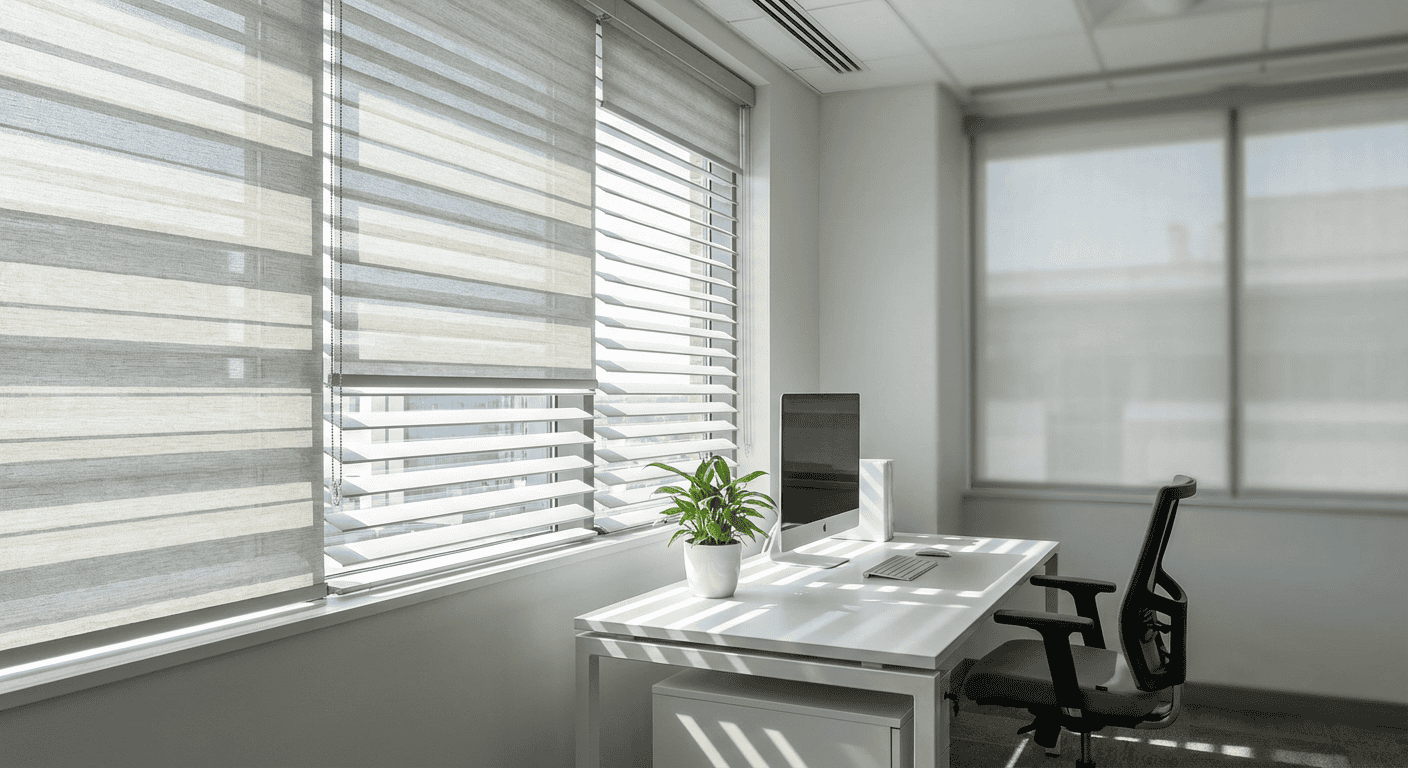
Matching the right window treatment to a specific room requires pairing visual design with practical daily performance. A main living area often benefits from the warm, diffused glow of fabric roller or cellular shades, while a sun-facing workspace demands the exact glare control of adjustable horizontal slats. Advance Blinds supplies custom blinds shades amp specialty window coverings built to fit varied architectural styles and room functions.
Key Differences: Shades and Blinds
Two main structural designs separate shades from blinds in how they manage room light and sightlines. Window coverings built as shades use a single piece of continuous fabric that raises or lowers to soften incoming daylight. In contrast, blinds rely on separate horizontal or vertical slats that tilt to angle light beams directly. This core structural difference changes both the visual style and daily performance of the window treatment.
Daily sun exposure dictates which product performs best in a specific room. Spaces facing west receive intense afternoon sun, making the tilting slats of blinds ideal for cutting screen glare without darkening the entire room. Conversely, solid fabric shades block drafts and reduce solar heat gain, which improves window insulation and lowers heating or cooling costs. Advance Blinds provides product guidance to help homeowners match these performance traits to their rooms.
Evaluating shades vs blinds requires looking closely at raw materials, lifting mechanisms, and visual lines. Manufacturers such as Hunter Douglas and Alta Window Fashions produce specialized designs across both categories. The comparison table below breaks down the primary specifications for each option.
| Feature | Window Shades | Window Blinds |
|---|---|---|
| Construction | Single, continuous fabric roll or fold | Separate tilting slats or vanes |
| Light Control | Filters and softens glare; available in room-darkening blackout | Directs light precisely by adjusting slat angles |
| Privacy | Blocks views completely when closed; sheer fabrics offer daytime filtering | Customizes sightlines by tilting slats up or down |
| Material | Textiles, woven reeds, and cellular honeycomb fabrics | Hardwood, faux wood, aluminum, vinyl, and composite |
| Visual Style | Soft, continuous surface with varied fabric textures | Clean, linear profile suited for traditional or modern rooms |
| Insulation | Higher thermal retention from an unbroken fabric barrier | Lower thermal barrier because air passes between slats |
| Cleaning | Requires light vacuuming or spot treatment; select fabrics are washable | Wipes clean quickly with a duster or damp cloth across each slat |
When to Select Window Shades
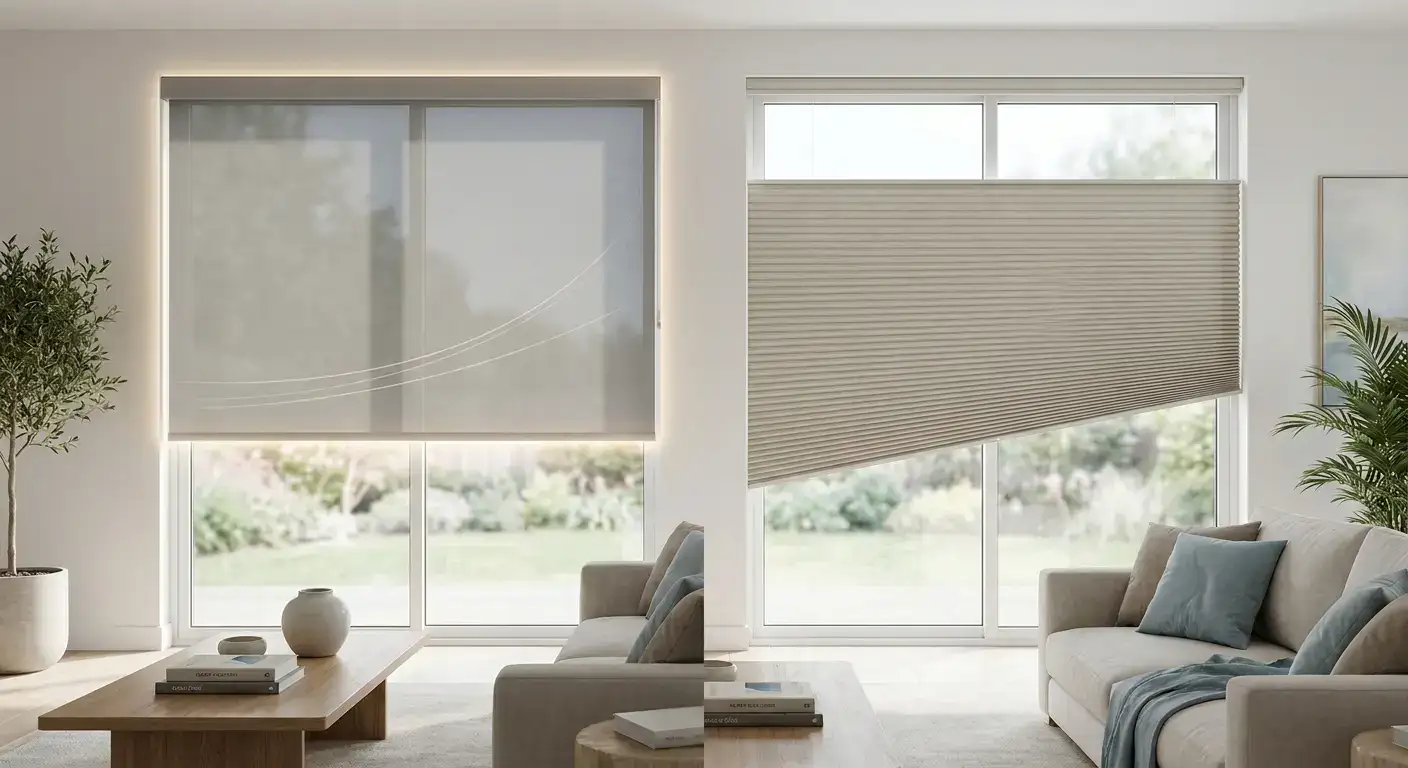
Window shades are often preferred for their softer aesthetic and ability to diffuse natural light, creating a warm and inviting atmosphere. They offer various fabric options, from sheer to blackout, allowing for precise control over privacy and light levels without harsh lines. If insulation is a priority, cellular or Roman shades can help regulate indoor temperatures.
We often recommend shades when a client wants a clean, flowing look for their windows, especially in living areas or bedrooms where comfort is key. Many styles, like Alta Window Fashions, offer cordless or motorized operating systems for enhanced safety and ease of use, making them a suitable choice for homes with children or pets.
- Soft Aesthetics: Shades provide a flowing fabric look, complementing various interior designs with textures and patterns that blinds cannot.
- Light Diffusion and Privacy: Fabric options range from light-filtering to room-darkening, providing ambient light without the distinct slat lines of blinds. This also offers consistent privacy.
- Energy Efficiency: Cellular shades, also known as honeycomb shades, trap air in their unique cell construction, providing an insulating barrier that helps reduce heat transfer through windows.
- Noise Reduction: The fabric layers of shades can absorb sound, contributing to a quieter indoor environment, which is beneficial for bedrooms or busy street-facing rooms.
- Simplicity and Safety: Many shade designs feature cordless or motorized operating systems, removing dangling cords that can pose a safety hazard for children and pets. PowerView Automation allows for scheduled adjustments.
When to Select Window Blinds
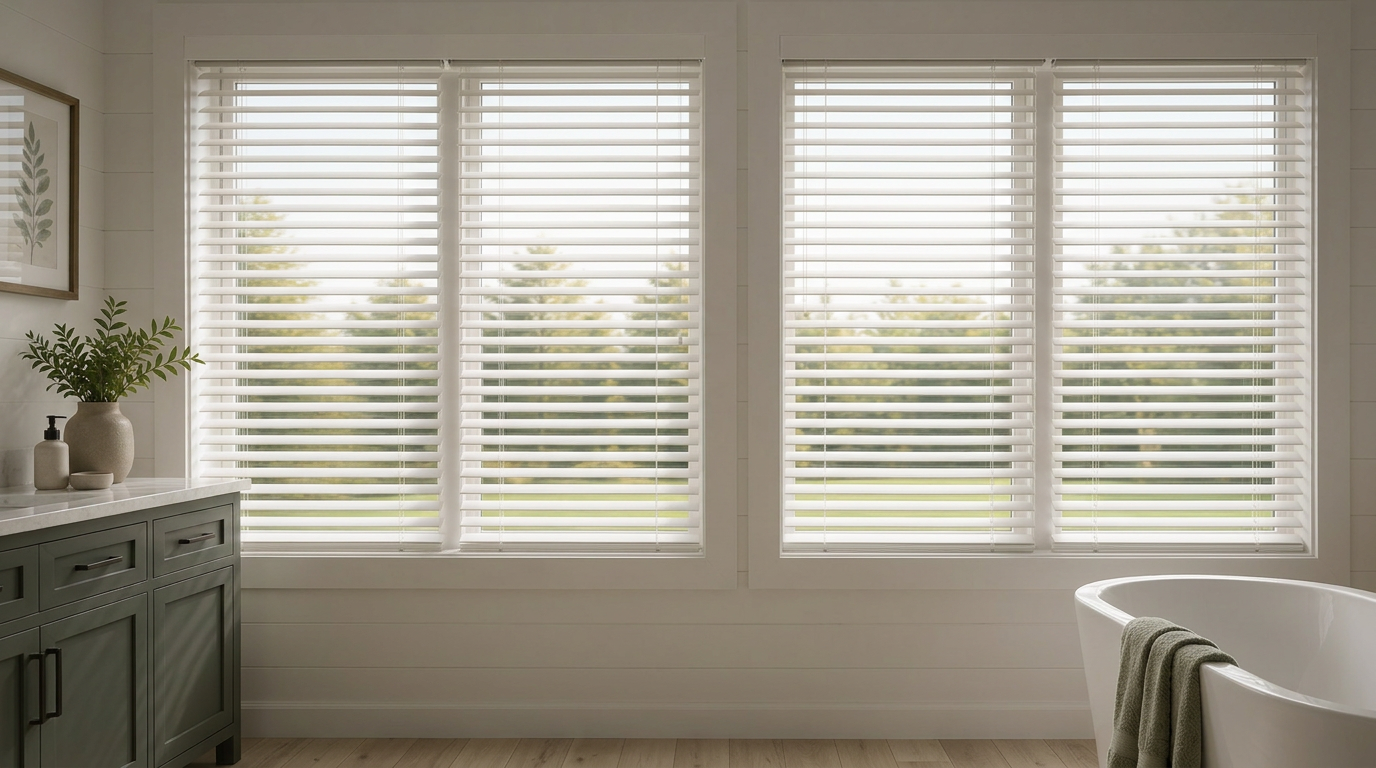
Tilting louvers give window blinds an edge in rooms that demand exact light control and daytime seclusion. Homeowners can angle the slats to bounce harsh sunlight toward the ceiling, cut screen glare, and preserve outdoor views without exposing the interior to neighbours. This mechanical flexibility suits workspaces and living areas where sun angles shift throughout the day.
Advance Blinds recommends hard-slat treatments for households prioritizing structural rigidity and water resistance, especially in busy hallways, humid bathrooms, and splash-prone kitchens. Modern blind headrails also pair directly with motorized tilt and lift hardware, adding daily convenience and scheduled home security. Automated blind systems adjust slat angles on a timer to manage indoor temperatures and privacy effortlessly.
- Exact Daylight Direction: Louvers rotate 180 degrees to regulate brightness and block glare while keeping sightlines to the outdoors open.
- Instant Seclusion: Closing the slats blocks outside views immediately, suiting ground-floor bedrooms and street-facing windows.
- Moisture and Impact Resistance: Aluminum, composite faux wood, and PVC slats withstand high humidity and heavy daily use without warping.
- Clean Architectural Lines: Horizontal or vertical slats bring a crisp, linear geometry to window frames that complements modern or minimalist interiors.
- Fast Surface Cleaning: Non-porous slats wipe clean with a damp cloth or duster, shedding household dust and kitchen grease far better than woven fabrics.
- Automated Lift and Tilt: Most modern blind headrails accept SoftTouch motorization or smart-home motors for cord-free, push-button adjustments.
Making Your Choice: Shades or Blinds
Comparing shades vs blinds requires evaluating light management, privacy levels, and thermal insulation rather than just visual style. Homeowners in Winnipeg, Manitoba match these practical factors to their daily routines when selecting window coverings with Advance Blinds.
Operational mechanisms and cleaning routines also separate these two window treatment categories. Cordless shade systems improve safety for households with children and pets, whereas slatted blinds need frequent wiping to remove surface dust. Reviewing manufacturer specifications, including Hunter Douglas product lines, helps buyers match hardware capabilities to specific room demands.
| Feature | Window Shades | Window Blinds |
|---|---|---|
| Light Control | Softens incoming glare, available in room-darkening blackout fabrics | Tilting slats direct sunlight upward or downward with precision |
| Privacy | Single fabric panel blocks outside views based on material opacity | Louvered design permits angled viewing while limiting street visibility |
| Insulation | Honeycomb cellular pockets trap air to boost thermal efficiency | Gaps between individual slats allow more heat transfer |
| Durability | Textiles can fray or fade after years of direct sun exposure | Hardwood, faux wood, and aluminum slats resist denting and warping |
| Maintenance | Requires light vacuuming with a brush attachment or spot blotting | Demands regular wiping across each horizontal or vertical slat |
| Operation | Supports motorized systems like Hunter Douglas PowerView Automation | Uses manual tilt wands, cordless lifts, or standard pull cords |
Shades or Blinds for Manitoba Homes
Freezing winter temperatures and bright summer sun directly influence window covering performance across Manitoba’s climate. Insulated fabric shades create a thermal barrier at the glass, which reduces indoor heat loss during sub-zero months and blocks solar heat gain in July and August. Slatted blinds give homeowners exact control over incoming daylight, making it easy to cut harsh glare in rooms with direct southern or western sun exposure.
Evaluating shades vs blinds room by room helps match window performance to daily household routines. Bedrooms require darkness and temperature control, making cellular or blackout shades the strongest match. Main living spaces benefit from the tilting slats of blinds, which redirect daylight toward the ceiling while maintaining outdoor views. Across homes here, combining thermal efficiency with personal interior design goals dictates the final selection.
| Room Priority | Recommended Window Treatment |
|---|---|
| Energy Efficiency & Insulation | Honeycomb cellular shades and thermal shades trap air at the window pane to slow heat transfer during extreme seasonal temperatures. |
| Precise Light Control & View | Adjustable blinds with horizontal or vertical slats tilt to direct sunlight and reduce screen glare. |
| Soft Light Diffusion | Light-filtering fabric shades soften harsh sunbeams into an even glow for dining rooms and living areas. |
| Complete Room Darkening | Opaque blackout roller or cellular shades block external light for bedrooms, nurseries, and media rooms. |
| High Humidity Areas | Moisture-resistant faux wood blinds prevent warping, cracking, and peeling in steamy bathrooms and kitchens. |
Advance Blinds matches local homeowners with custom window treatments built for prairie weather conditions. Every installation pairs practical light management and year-round indoor comfort with your preferred interior style.
FAQ
Choosing the right window treatments for your Winnipeg home involves weighing factors like style, light control, and seasonal insulation. Explore the common questions below for a closer look at the shades vs blinds debate to help you decide which option best suits your rooms.
| Question | Answer |
|---|---|
| How do shades vs blinds compare for controlling light and privacy in a room? | In the shades vs blinds comparison, shades use a single continuous fabric panel to filter sunlight for a softer room glow or block it completely when lowered. Depending on the fabric opacity, from sheer to blackout, shades offer full privacy when closed, though you must raise them to view the outdoors. Blinds feature tilting slats that let Winnipeg homeowners direct sunlight, reduce screen glare, and maintain daytime privacy without raising the entire window covering. However, small gaps between the slats allow minor light leakage, making blackout shades a better option for total darkness in bedrooms. |
| Do shades or blinds provide better window insulation for Manitoba homes? | When comparing shades vs blinds for insulation, cellular shades provide superior thermal protection for Winnipeg and Manitoba homes. Their honeycomb fabric pockets trap air at the window, creating an effective barrier against freezing winter drafts and summer heat. While wood or faux wood blinds block direct sunlight, the small gaps between their slats allow more thermal transfer than a continuous cellular shade. |
| When should Winnipeg homeowners choose blinds instead of shades for their windows? | Winnipeg homeowners comparing shades vs blinds should choose blinds when a room requires precise light direction and glare control, such as a home office or south-facing living room. The tilting slats allow you to redirect bright sunlight while maintaining outward visibility and privacy. Additionally, blinds made from durable wood, faux wood, or aluminum resist moisture and wear, making them ideal for high-traffic areas, kitchens, and bathrooms. |
| What are the visual and style differences when comparing shades vs blinds? | When comparing shades vs blinds, the main visual difference comes down to fabric texture versus architectural lines. Shades use a continuous fabric panel to create a soft, clean look, with a wide range of colors, patterns, and weaves to add warmth to Winnipeg living rooms and bedrooms. Blinds feature individual horizontal or vertical slats made of wood, faux wood, or aluminum, delivering a structured, linear appearance that fits both modern and traditional Manitoba homes. While shades roll or fold neatly to leave an unobstructed window view, blinds maintain a distinct visual profile even when tilted open to manage sunlight. |