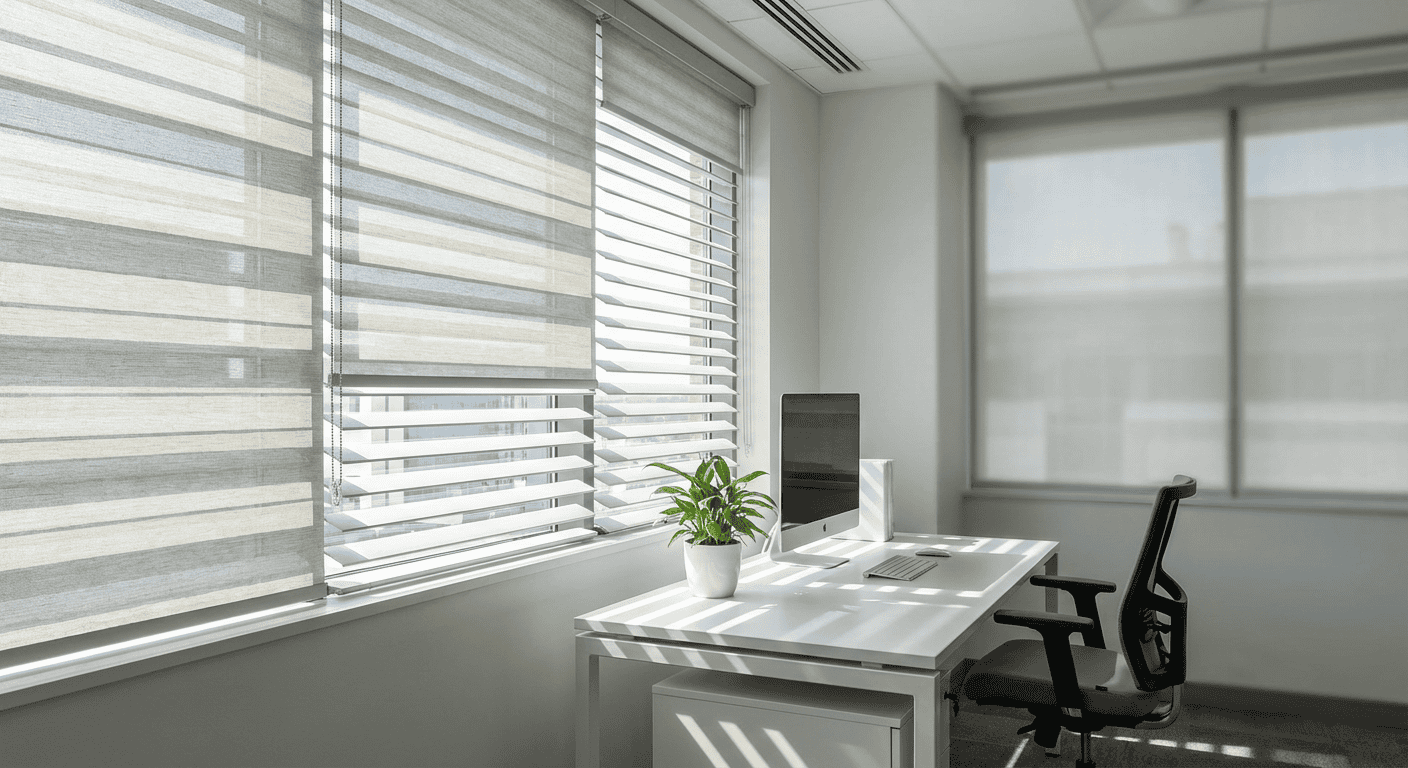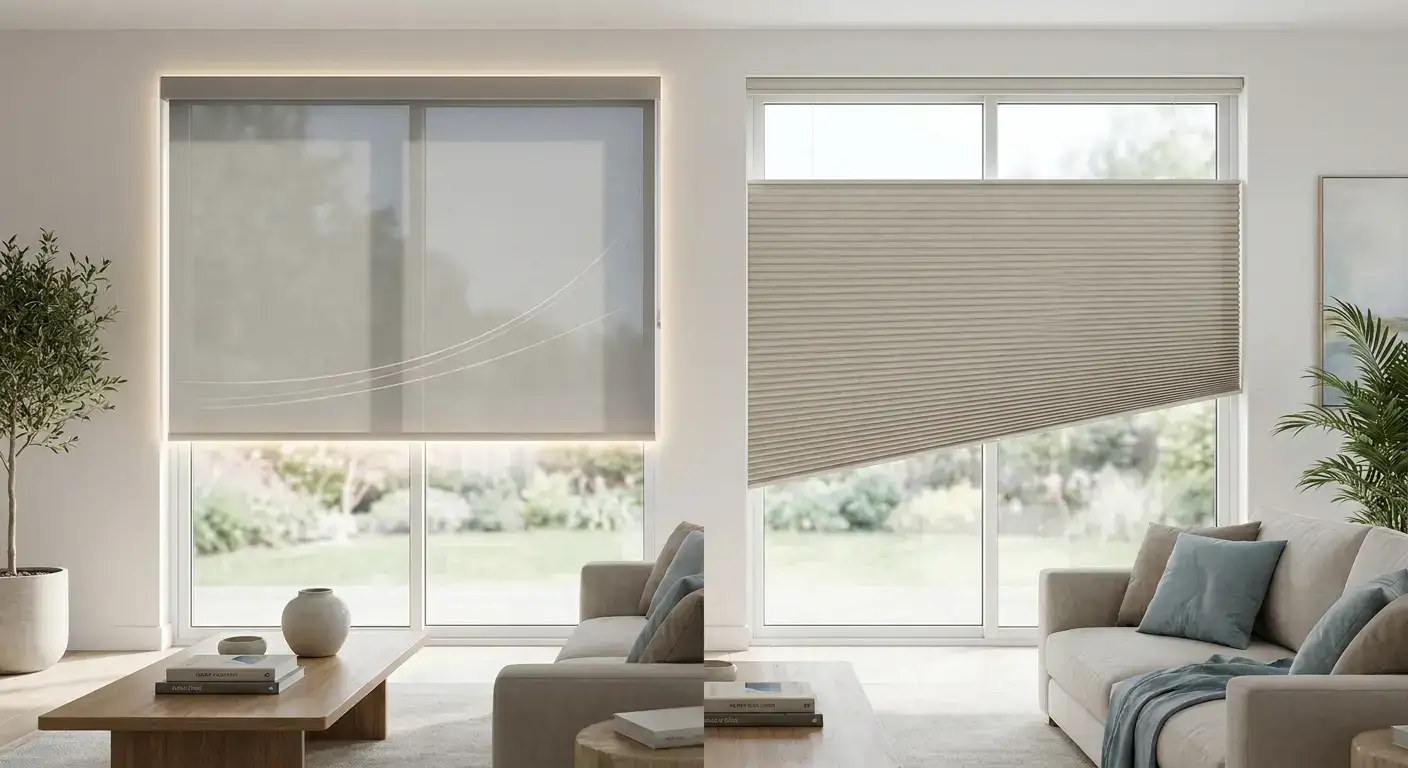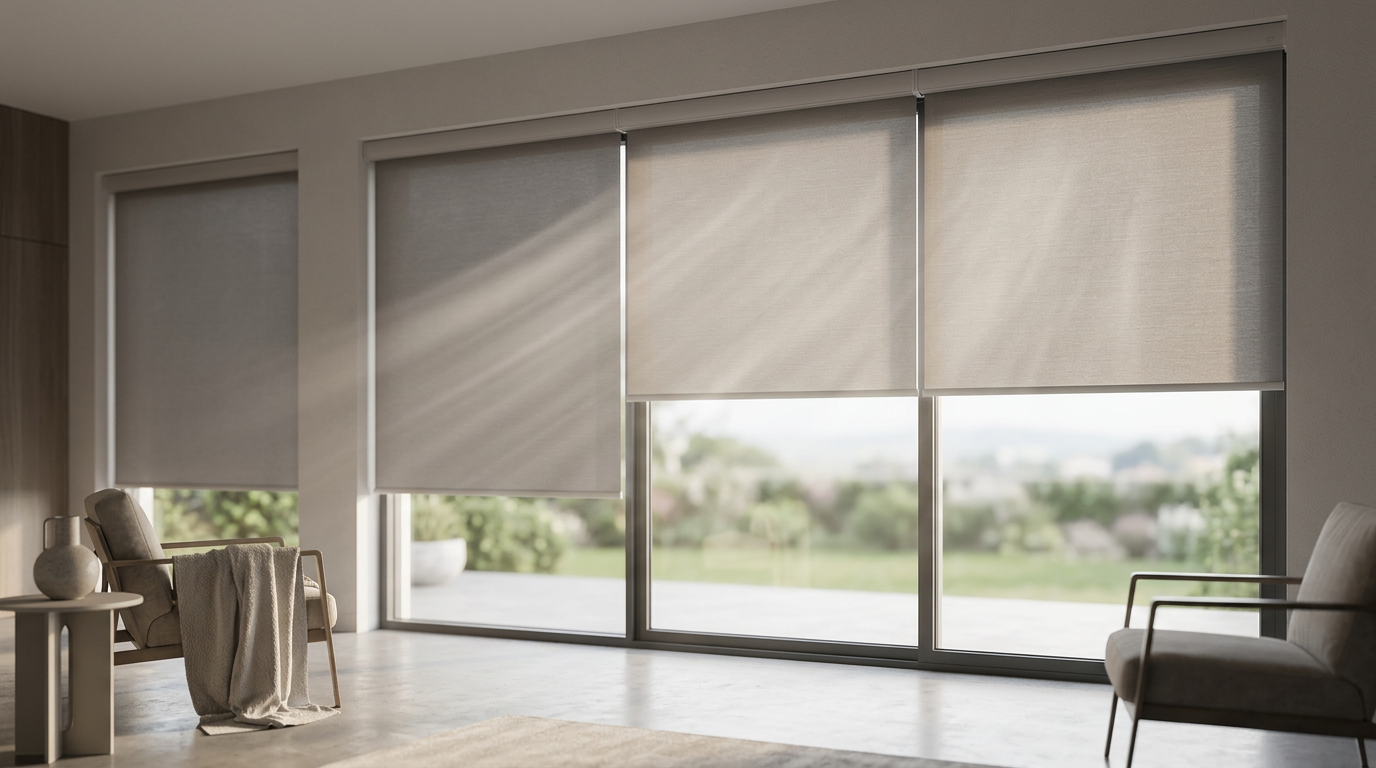

Overview
Advance Blinds outfits residential spaces with more than 20 custom window treatment lines divided into three main categories: blinds, shades, and interior shutters. Every product combines precision hardware with tailored slat, cellular, or louver architectures to stabilize indoor temperatures and manage natural daylight.
Buyers can pair these coverings with manual cordless systems, continuous cord loops, or PowerView Gen 3 motorization to fit specific window sizes and household schedules. Use the breakdown below to match each product family to your rooms.
- Introduction: Hunter Douglas styles improve living areas through daylight control and clean architectural lines.
- Blinds: Examine popular blind styles crafted from real hardwood, faux wood composites, and durable aluminum.
- Shades: Compare diverse shade options built for heat retention, ultraviolet filtering, and screen glare control.
- Shutters: Check the best shutter styles engineered to handle high humidity, direct sun, and heavy daily use.
- Selection Guide: Apply straightforward rules for choosing the right style according to sun exposure, privacy demands, and floor plans.
- Final Steps: Walk through the process of finalizing your choice via in-home measurements, material swatches, and professional mounting.
U.S. Department of Energy data shows that uncovered windows account for up to 30% of residential heating and cooling loss. Installing fitted Hunter Douglas styles blocks this energy waste while giving occupants exact command over incoming sunlight, glare, and sightlines. Advance Blinds measures and mounts cellular shades, sheer shadings, roller shades, and wood blinds to match individual window frames.
Individual product families solve distinct interior challenges:
- Duette Honeycomb Shades: Hold pockets of air inside structured honeycomb cells to buffer window glass against summer heat and winter cold.
- Silhouette and Pirouette Shadings: Soften bright sunbeams with suspended fabric vanes while keeping exterior views open during the day.
- Parkland and EverWood Blinds: Deliver traditional horizontal slat rotation in natural basswood or warp-resistant composite slats suited for damp kitchens and bathrooms.
- PowerView Automation: Operates window coverings on preset timers using a mobile app, smart home voice assistant, or handheld remote without exposed lift cords.
Explore Hunter Douglas Styles
Selecting from the three core Hunter Douglas styles, including slatted blinds, fabric shades, and structural shutters, directly shapes room brightness and indoor temperature regulation. Custom window configurations reduce sunlight glare, secure household privacy, and align with interior design plans.
Homeowners match these three product categories to minimalist, modern, or traditional architecture. Choosing specific fabrics, wood grains, or composite slats targets distinct performance priorities, such as precise light control and four-season energy efficiency.
The manufacturer pairs these materials with advanced operating hardware, including motorized automation and cordless lift systems. Removing exposed lift cords simplifies daily adjustments and eliminates entanglement risks for children and pets. Every unit uses exact window measurements and custom mounting hardware to fit the frame without light gaps.
Exploring Popular Hunter Douglas Blind Styles
Hunter Douglas manufactures five distinct blind collections designed for horizontal and vertical residential windows. Selecting the right slat composition directly impacts indoor privacy, screen glare, and room insulation. Many types of window blinds complement specific home architecture while regulating natural daylight.
Pair each room’s humidity and sunlight levels with the appropriate Hunter Douglas styles. High-moisture kitchens and baths require water-resistant materials, while sleeping areas benefit from tightly sealed, room-darkening vanes. Vane width and operating systems also determine exterior view clarity and daily handling. Custom window treatments ensure precise sizing for specialty shapes, bay windows, and wide glass expanses.
| Blind Style | Key Features |
|---|---|
| EverWood® Alternative Wood Blinds | Resists extreme heat and moisture without bowing or discoloring, making it ideal for humid kitchens and bathrooms while retaining a realistic wood grain texture. |
| Parkland® Wood Blinds | Crafted from 100% basswood and abachi hardwood in deep stains and solid paints that bring organic warmth to dining spaces and living areas. |
| Modern Precious Metals® Aluminum Blinds | Features spring-tempered aluminum slats engineered for dent resistance, crisp sightlines, and precise tilt control in dozens of metallic and matte finishes. |
| Cadence® Soft Vertical Blinds | Features contoured vanes that resemble plush drapery pleats, dampening indoor acoustics and softening bright sunlight across wide windows. |
| Somner® Custom Vertical Blinds | Provides a broad selection of vinyl, aluminum, and fabric vanes engineered for effortless gliding across sliding glass doors and tall window walls. |
Hunter Douglas Shades: Diverse Options
Hunter Douglas produces distinct shade structures built to manage interior daylight, room privacy, and window insulation. Evaluating these specific Hunter Douglas styles helps homeowners align each covering with the exact demands of their living spaces.
Roman Shades: Classic Fabric Designs
When raised, Roman shades fold into neat horizontal pleats, and when lowered, they unfold into a smooth, unbroken textile surface. Buyers can choose from a wide array of fabric thicknesses, textures, and color schemes to match their interior decor. Explore custom window treatments to solve non-standard window dimensions or specific room-darkening needs.
Cellular Shades: Energy Efficiency and Light Control
Cellular shades feature an internal honeycomb structure that captures air at the windowpane, reducing heat transfer and cutting monthly utility expenses. Property owners can choose single, double, or triple-cell configurations to achieve targeted R-value ratings while muting exterior traffic sounds. These honeycomb Hunter Douglas styles combine quantifiable thermal performance with sleek, contemporary window profiles. Learn more about window insulation.
Best Hunter Douglas Shutter Styles
Three core Hunter Douglas shutter lines cover every residential environment: Heritance Hardwood, NewStyle Hybrid, and Palm Beach Polysatin. Each model manages incoming sunlight, increases room privacy, and adds thermal insulation to window openings. Matching the shutter material to room humidity and foot traffic prevents warping and extends the lifespan of the window coverings.
Evaluating these Hunter Douglas styles starts with comparing real basswood or poplar against moisture-resistant composites and UV-stabilized vinyl. Advance Blinds specialists compare genuine hardwood stains and engineered polymer finishes to match your room climate and daily wear requirements before scheduling professional shutter installation.
| Shutter Model | Primary Performance Features | Recommended Room Types |
|---|---|---|
| Heritance® Hardwood Shutters | 100% genuine hardwood, natural thermal insulation, custom stain and paint finishes | Living rooms, dining rooms, and dry bedroom spaces |
| NewStyle® Hybrid Shutters | Real wood grain look, composite moisture resistance, lower cost point | Busy hallways, family kitchens, and bathrooms with moderate steam |
| Palm Beach™ Polysatin™ Shutters | Waterproof vinyl compound, high UV protection, guaranteed not to warp or crack | Full bathrooms, bright sunrooms, and humid coastal properties |
Pairing the right louver composition with room humidity conditions creates long-lasting custom window solutions for every home.
Choosing the Right Hunter Douglas Style for Your Home
Selecting window treatments begins by assessing room usage, direct sunlight exposure, and existing furniture or wall colors. Pairing the right Hunter Douglas styles with your windows balances everyday performance with interior design. Consult with a design expert to receive custom product suggestions built around your exact window measurements and floor plan.
Evaluate these six criteria when comparing Hunter Douglas styles for your space:
- Light Control and Privacy: Determine the exact level of daylight and street-side visibility each room needs. Material densities range from translucent sheers that soften harsh sunbeams to heavy blackout fabrics that block outside light entirely.
- Room Function: Align window materials with specific room conditions. Sleeping areas benefit from blackout linings for uninterrupted rest, family rooms work well with glare-reducing sheers, and humid bathrooms or kitchens demand moisture-proof composite shutters or aluminum blinds.
- Energy Efficiency: Thermal window shades cut monthly HVAC expenses by trapping air directly against the windowpane. Cellular shades like the Duette line provide year-round insulation against winter drafts and summer heat.
- Operating System: Pick from traditional wand controls, manual cordless lifts, or motorized options for convenience and child safety. PowerView Automation allows homeowners to set automated schedules and move shades using a wall switch, mobile app, or smart home voice assistant.
- Interior Design and Decor: Coordinate slat widths, fabric weaves, and color palettes with your existing trim and furnishings. The product line features hundreds of woven textiles, genuine basswood, and sleek aluminum finishes to complement any decor.
- Budget: Total project costs depend on window dimensions, textile grades, and operating hardware. Set a firm budget upfront to filter the catalog down to collections that match your financial plan.
| Consideration | Impact on Choice |
|---|---|
| Light & Privacy Needs | Determines textile opacity grades and lift configurations, including top-down/bottom-up systems. |
| Room Environment | Demands water-resistant synthetics for humid rooms and scratch-resistant finishes for busy walkways. |
| Energy Savings | Directs buyers toward honeycomb cellular designs or insulated drapery that slow thermal transfer at the glass. |
| Child & Pet Safety | Removes exposed pull cords; cordless mechanisms and smart motorization promote child and pet safety. |
| Design Harmony | Shapes the choice of vane sizes, textile patterns, and valance hardware to coordinate with indoor decor. |
Finalizing Your Hunter Douglas Style Choice
Selecting the right Hunter Douglas styles requires matching window measurements, daily sun angles, and room-by-room privacy targets. Pairing interior design goals with practical operation identifies the ideal covering for each room. Tracking how sunlight shifts across a space from morning to evening dictates the exact fabric opacity and louver size needed.
Hunter Douglas produces custom window coverings engineered for varied architectural shapes and decor themes. Partnering with certified installers at Advance Blinds guarantees exact frame measurements and appropriate mounting hardware. Certified consultants deliver custom specifications so every shade fits the opening accurately and complements the room’s layout. Schedule a consultation to test fabric swatches and lift mechanisms in person.
| Selection Factor | How Certified Specialists Help |
|---|---|
| Light Control | Consultants pair specific Hunter Douglas styles with your exact room-darkening, blackout, or light-filtering requirements. |
| Privacy Levels | Advisors specify top-down/bottom-up operating systems and dual-opacity fabrics that block exterior sightlines while preserving daylight. |
| Energy Efficiency | Specialists select thermal window coverings like Duette Honeycomb Shades to limit heat gain and loss through the glass. |
| Room Design | Design consultants align textile textures, vane widths, and color tones with your existing millwork, flooring, and furnishings. |
| Motorization Options | Installers program and mount PowerView Automation systems for automated, app-controlled shade operation. |
FAQ
Choosing the right window treatments for your Manitoba home involves balancing energy efficiency, moisture resistance, and precise light control. Explore the table below for answers to the most common questions about how different Hunter Douglas styles can meet your practical and aesthetic needs.
| Question | Answer |
|---|---|
| What sets Hunter Douglas styles apart for Manitoba homes? | Hunter Douglas styles stand out for their custom engineering, high build quality, and wide range of fabric and material choices. These window treatments pair visual appeal with practical performance, giving Manitoba homeowners effective insulation against harsh winter cold and strong summer sun. Many systems also integrate smart home automation and cordless operating mechanisms for everyday convenience and child safety. |
| How do Hunter Douglas Duette Honeycomb Shades improve home energy efficiency in Manitoba? | Hunter Douglas Duette Honeycomb Shades use a cellular construction that traps air in distinct pockets at the window. This trapped air forms an insulating barrier against Manitoba’s cold winters and warm summers, regulating indoor temperatures and lowering heating and cooling costs. Among Hunter Douglas styles, these shades offer multiple cell sizes, fabric opacities, and operating systems to match specific room insulation and light control requirements. |
| Which light control and privacy benefits do Hunter Douglas Silhouette Window Shadings offer for Manitoba homes? | Silhouette Window Shadings use S-shaped fabric vanes suspended between two sheer panels to soften harsh sunlight and reduce glare in Manitoba homes. Homeowners can tilt the adjustable vanes to achieve precise light control and daytime privacy while maintaining clear outdoor views. Closing the vanes completely blocks outside visibility for full nighttime seclusion, making them one of the most versatile hunter douglas styles for living rooms and bedrooms. |
| Why are Hunter Douglas faux wood styles a practical choice for humid kitchens and bathrooms? | Faux wood hunter douglas styles, such as EverWood Alternative Wood Blinds, perform well in moisture-prone kitchens and bathrooms across Manitoba homes. Unlike genuine hardwood, their composite materials resist warping, yellowing, and bowing when exposed to steam, extreme heat, and direct sunlight. These blinds wipe clean easily and maintain their structural shape in high-humidity spaces. |